


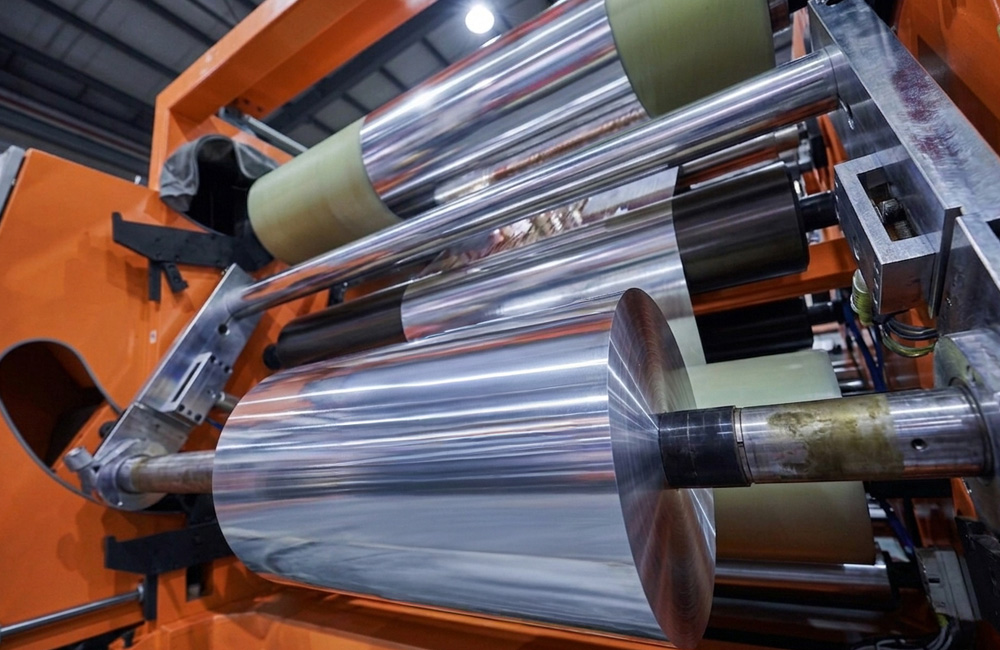

Aluminum foil rolls are widely used across industrial sectors due to their flexibility, durability, and protective properties. For businesses operating in food production, logistics, and manufacturing, aluminum foil provides a reliable solution for packaging, insulation, and product protection.
Its ability to resist moisture, light, and contaminants makes it an essential material in modern industrial operations. Whether used for preserving food quality or protecting sensitive products during transport, aluminum foil plays a critical role in ensuring efficiency and consistency across supply chains.
What Are Aluminum Foil Rolls?
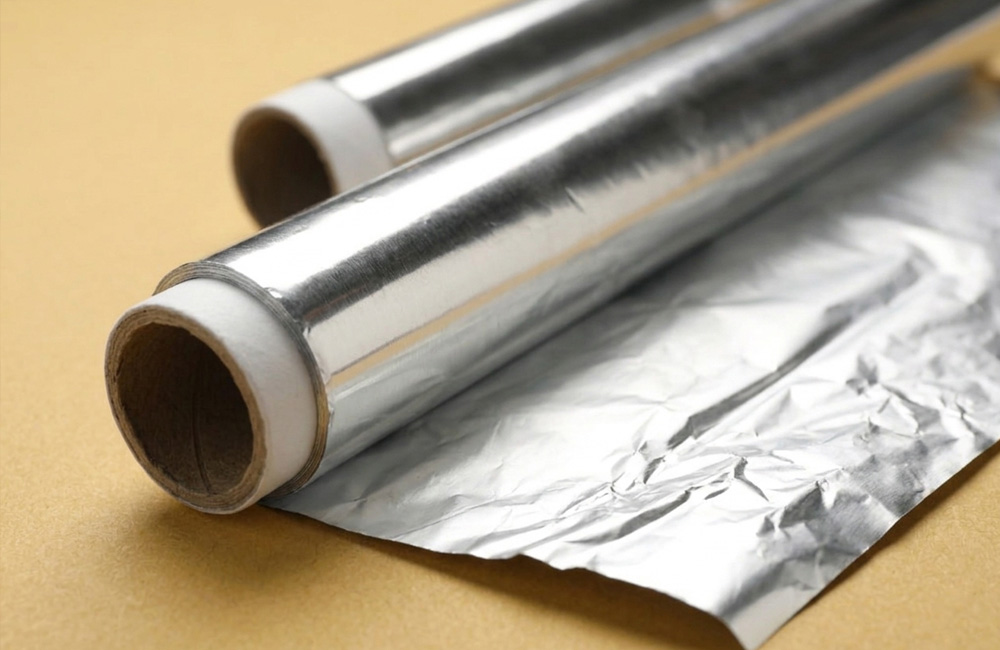
Aluminum foil rolls are thin sheets of aluminum that are processed into flexible, continuous rolls for industrial use. These rolls are available in different thicknesses and widths, depending on the application.
They are commonly used in packaging, insulation, and manufacturing processes due to their excellent barrier properties. Businesses sourcing industrial aluminum packaging solutions often rely on foil rolls for both protective and functional purposes.
Their lightweight structure combined with high durability makes them suitable for large-scale industrial operations.
Key Properties of Aluminum Foil in Industrial Use
Aluminum foil offers several unique properties that make it highly effective in industrial applications.
One of the most important characteristics is its barrier protection. Aluminum foil prevents the passage of moisture, air, and light, helping to preserve product quality. This is especially critical in food packaging and pharmaceutical industries.
Another key advantage is heat resistance. Aluminum foil can withstand high temperatures, making it suitable for cooking, baking, and industrial processing.
It is also highly flexible and can be easily shaped or wrapped around products of various sizes and forms. Many companies integrate foil with bulk packaging solutions for industrial shipping to enhance overall protection during transportation.
Industrial Applications of Aluminum Foil Rolls
Aluminum foil rolls are used across multiple industries due to their versatility.
Food Industry
In the food sector, aluminum foil is used for packaging, storage, and cooking. It helps maintain freshness, prevents contamination, and extends shelf life.
Products such as ready meals, baked goods, and takeaway items often rely on foil packaging for both safety and convenience.
Logistics and Packaging
In logistics, aluminum foil is used to protect goods from environmental factors during storage and transportation. It is often combined with other materials to create multi-layer packaging solutions.
Businesses handling sensitive products may also use foil in combination with industrial plastic packaging products to provide additional layers of protection.
Manufacturing and Insulation
Aluminum foil is widely used in manufacturing processes, particularly for insulation and thermal management. It reflects heat and light, making it effective in maintaining temperature control.
Industries such as construction and electronics use foil for insulation purposes, ensuring energy efficiency and product stability.
Benefits of Aluminum Foil for Businesses
Aluminum foil provides several advantages that make it a preferred material in industrial applications.
Durability is one of its strongest benefits. Despite being lightweight, aluminum foil is resistant to tearing and can withstand demanding conditions.
It also supports cost efficiency. When used correctly, foil reduces product waste by protecting goods from damage and contamination.
Another important benefit is versatility. Aluminum foil can be used across different stages of production and distribution, making it a flexible solution for various industries.
For businesses looking to diversify packaging strategies, combining foil with options like durable reusable shopping bags for businesses can optimize both protection and customer-facing presentation.

Aluminum Foil vs Alternative Packaging Materials
Businesses often compare aluminum foil with materials such as plastic and paper to determine the best solution for their needs.
Plastic packaging offers flexibility and cost advantages, but it may not provide the same level of barrier protection as aluminum foil.
Paper packaging is suitable for lightweight applications but lacks resistance to moisture and heat. Aluminum foil, on the other hand, provides superior protection in demanding conditions.
For this reason, many companies use aluminum foil as part of a multi-material packaging strategy to achieve the best results.
Choosing the Right Aluminum Foil Rolls
Selecting the right aluminum foil roll depends on several factors, including thickness, application, and industry requirements.
Thicker foil is generally used for heavy-duty applications, while thinner foil is suitable for lightweight packaging. Businesses should also consider factors such as flexibility, strength, and resistance to external conditions.
Working with a reliable supplier ensures consistent quality and performance. Companies sourcing aluminum packaging supplier USA solutions often evaluate production standards, supply capacity, and delivery reliability.
Bulk Purchasing and Supply Efficiency
For industrial operations, purchasing aluminum foil in bulk is a common strategy to reduce costs and ensure continuous supply.
Bulk orders provide better pricing and minimize the risk of supply shortages. They also allow businesses to standardize packaging processes and maintain consistency across operations.
Efficient supply chain management ensures that materials are always available when needed, preventing disruptions in production and distribution.
A Strategic Material for Industrial Efficiency
Aluminum foil rolls are more than just a packaging material—they are a critical component of industrial efficiency. Their ability to protect, preserve, and perform under various conditions makes them indispensable across multiple sectors. Businesses that integrate aluminum foil into their operations can enhance product quality, reduce waste, and improve overall supply chain performance.