


What Is Aluminum Packaging?
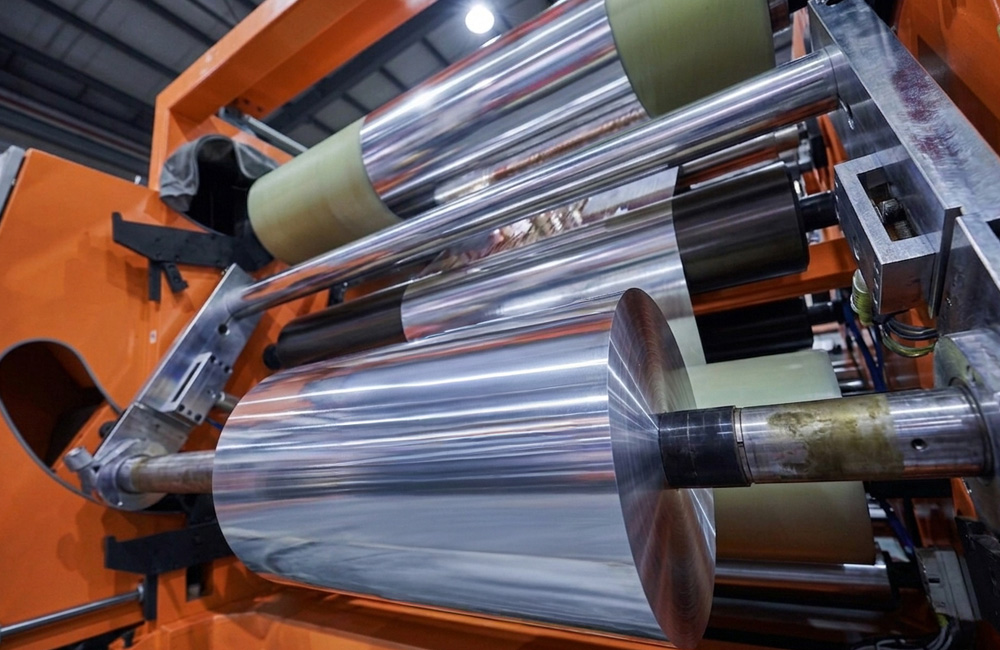
Aluminum packaging refers to a range of packaging solutions made from aluminum materials, including foil, trays, containers, and laminated structures. Known for its lightweight yet strong composition, aluminum is widely used across industries that require durability, hygiene, and long-term product protection.
The material itself is derived from bauxite ore and processed into thin, flexible or rigid forms depending on the application. In packaging, aluminum is often used as a standalone material or combined with other layers to enhance barrier properties.
One of the defining characteristics of aluminum packaging is its ability to act as a complete barrier against light, oxygen, moisture, and contaminants. This makes it particularly valuable in industries where product integrity and shelf life are critical.
From aluminum food containers to industrial aluminum packaging solutions, businesses rely on this material to maintain product quality throughout storage and distribution.
Key Benefits of Aluminum Packaging
Aluminum packaging offers a combination of functional and commercial advantages that make it highly attractive for businesses operating in competitive markets.
Heat Resistance
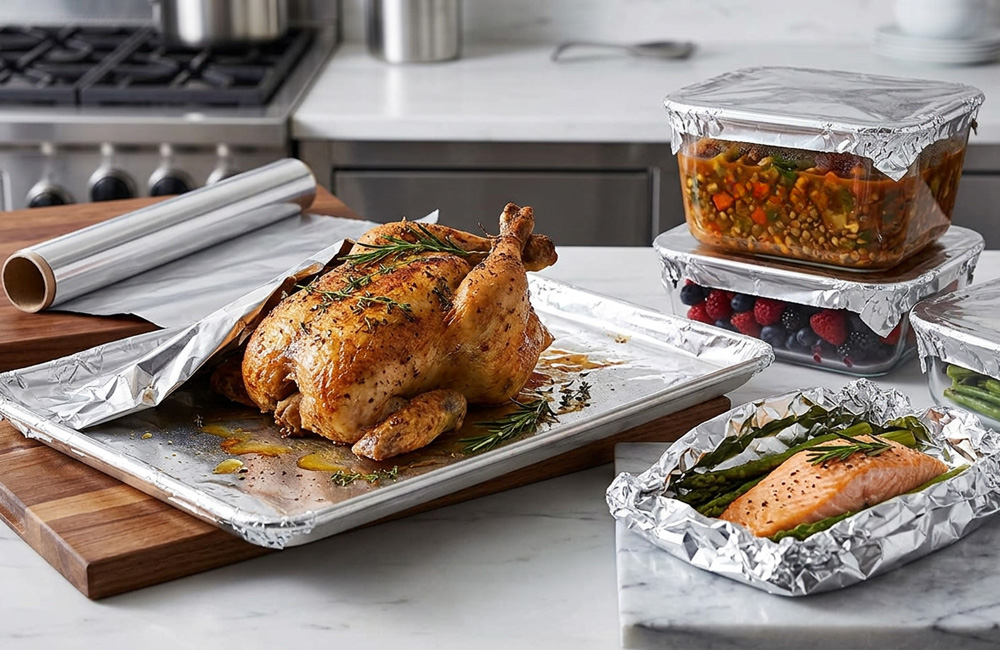
One of the most important properties of aluminum is its ability to withstand high temperatures. Aluminum containers can be safely used in ovens, making them ideal for cooking, reheating, and food preparation processes.
This heat resistance is especially valuable in food service and catering operations where packaging must transition seamlessly from storage to cooking environments.
Durability and Strength
Despite being lightweight, aluminum is highly durable. It resists punctures, deformation, and external pressure, ensuring that products remain protected during transportation and handling.
For logistics and industrial applications, this durability reduces the risk of product damage and associated costs.
Food Safety and Hygiene
Aluminum is non-toxic and does not react with most food products, making it a safe choice for food packaging. It also provides a protective barrier against bacteria, moisture, and external contaminants.
This is why aluminum food containers are widely used in restaurants, meal prep services, and food manufacturing facilities.
Extended Shelf Life
Aluminum packaging helps preserve freshness by preventing exposure to air and light. This extends the shelf life of perishable goods and reduces food waste.
For businesses, longer shelf life means improved inventory management and reduced losses.

Industrial Applications of Aluminum Packaging
Aluminum packaging is used across a wide range of industries due to its versatility and performance.
Food Industry
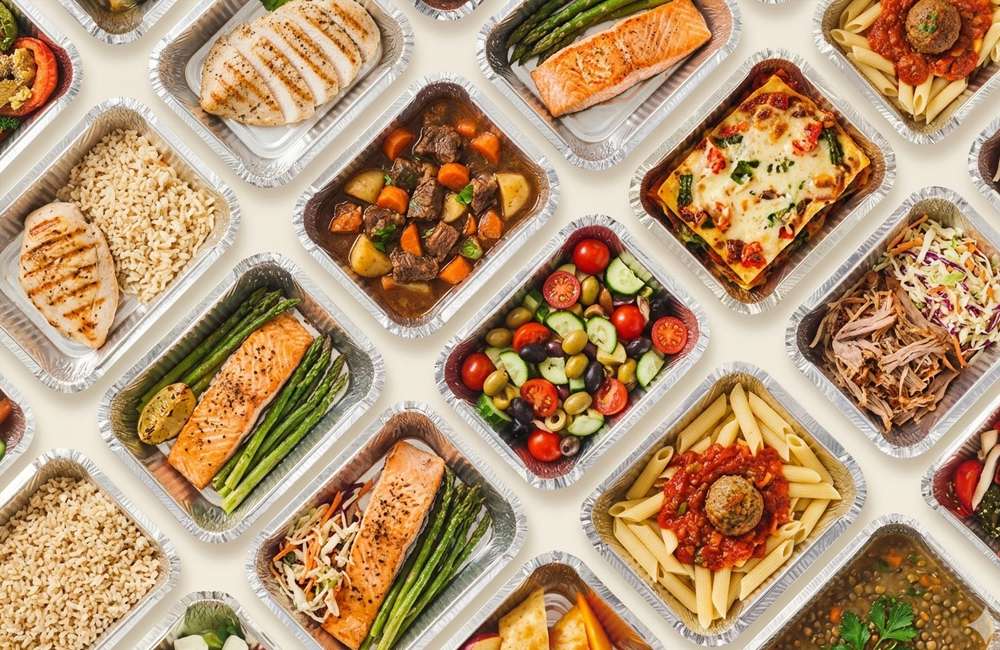
The food sector is one of the largest users of aluminum packaging. Aluminum trays, foil wraps, and containers are commonly used for ready meals, baked goods, and takeaway packaging.
They are particularly valued for their ability to maintain temperature and preserve food quality during storage and transport.
Catering and Food Service
Catering companies and restaurants rely on aluminum trays wholesale for large-scale food preparation and delivery. These trays are convenient, stackable, and suitable for both hot and cold foods.
Their disposable nature also simplifies cleanup and reduces operational complexity.
Logistics and Distribution
In logistics, aluminum packaging is used for transporting temperature-sensitive or fragile products. Its strength and barrier properties help ensure that goods arrive in optimal condition.
Aluminum packaging is also lightweight, which contributes to reduced shipping costs compared to heavier materials.
Manufacturing and Industrial Use
Industrial aluminum packaging is used to protect components, chemicals, and sensitive materials. It provides a reliable barrier against environmental factors such as moisture and oxidation.
This makes it suitable for sectors such as electronics, pharmaceuticals, and chemical manufacturing.
Aluminum vs Plastic Packaging
When comparing aluminum packaging to plastic packaging, businesses must consider both performance and long-term impact.
Plastic packaging is often chosen for its low initial cost and flexibility. However, it typically offers lower resistance to heat and may not provide the same level of barrier protection as aluminum.
Aluminum packaging, on the other hand, excels in durability, temperature resistance, and product preservation. It is also widely recyclable, making it a more sustainable option in many cases.
From a branding perspective, aluminum packaging can also create a more premium product presentation, particularly in food and beverage applications.
While plastic may still be suitable for certain uses, aluminum packaging is increasingly preferred for applications that require higher performance and reliability.
Why Businesses Choose Aluminum Packaging
For B2B buyers, the decision to use aluminum packaging goes beyond basic functionality. It is a strategic choice that impacts cost efficiency, product quality, and brand perception.
One of the main reasons businesses choose aluminum packaging is its ability to reduce product loss. By protecting goods from environmental factors, it minimizes damage and waste throughout the supply chain.
Another key advantage is operational efficiency. Aluminum packaging is compatible with automated production lines and can be easily integrated into existing packaging processes.
Brand positioning also plays a role. Aluminum packaging is often associated with quality and reliability, which can enhance customer perception and support premium product positioning.
Additionally, businesses benefit from the scalability of aluminum packaging solutions. Whether ordering aluminum trays wholesale or sourcing custom containers, companies can adapt their packaging strategy as they grow.
Businesses can explore a full range of options on your aluminum packaging supplier USA page for bulk sourcing and specifications.

Choosing a Reliable Aluminum Packaging Supplier
Selecting the right supplier is critical for ensuring consistent quality and supply chain efficiency.
A reliable aluminum packaging supplier should offer:
- consistent product quality across batches
- the ability to meet high-volume demands
- compliance with food safety and industry standards
- flexible customization options
Supply chain reliability is especially important for businesses operating at scale. Delays or inconsistencies in packaging supply can disrupt operations and impact customer satisfaction.
Quality assurance is another key factor. Businesses should ensure that materials meet required standards for durability, safety, and performance.
Pricing transparency and long-term partnership potential are also important considerations. A strong supplier relationship can help businesses maintain stability and optimize costs over time.
Direct buyers to your aluminum food containers category page to review available product types and applications.