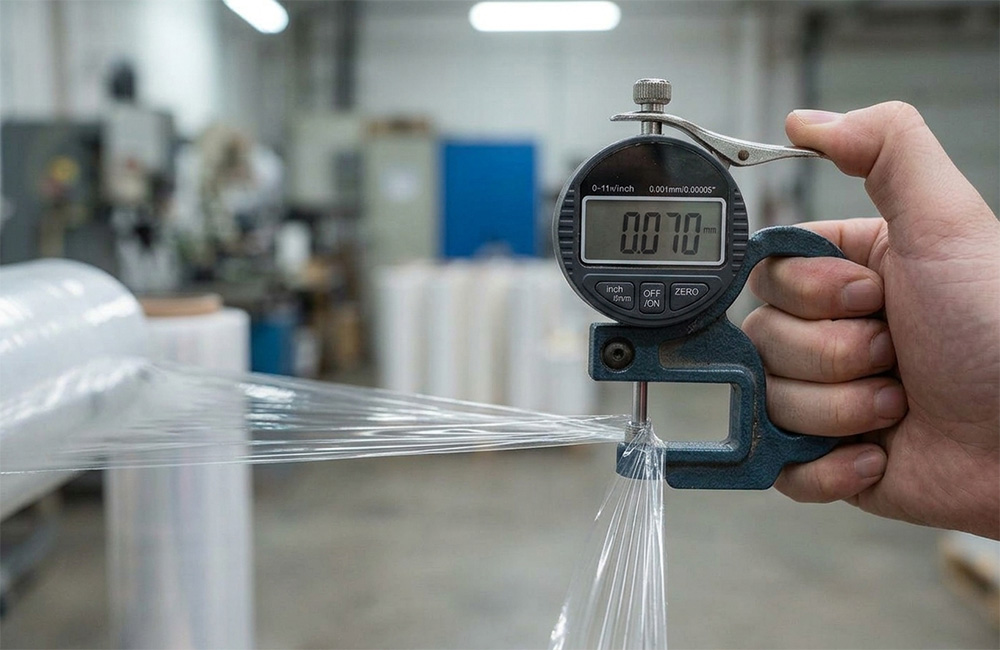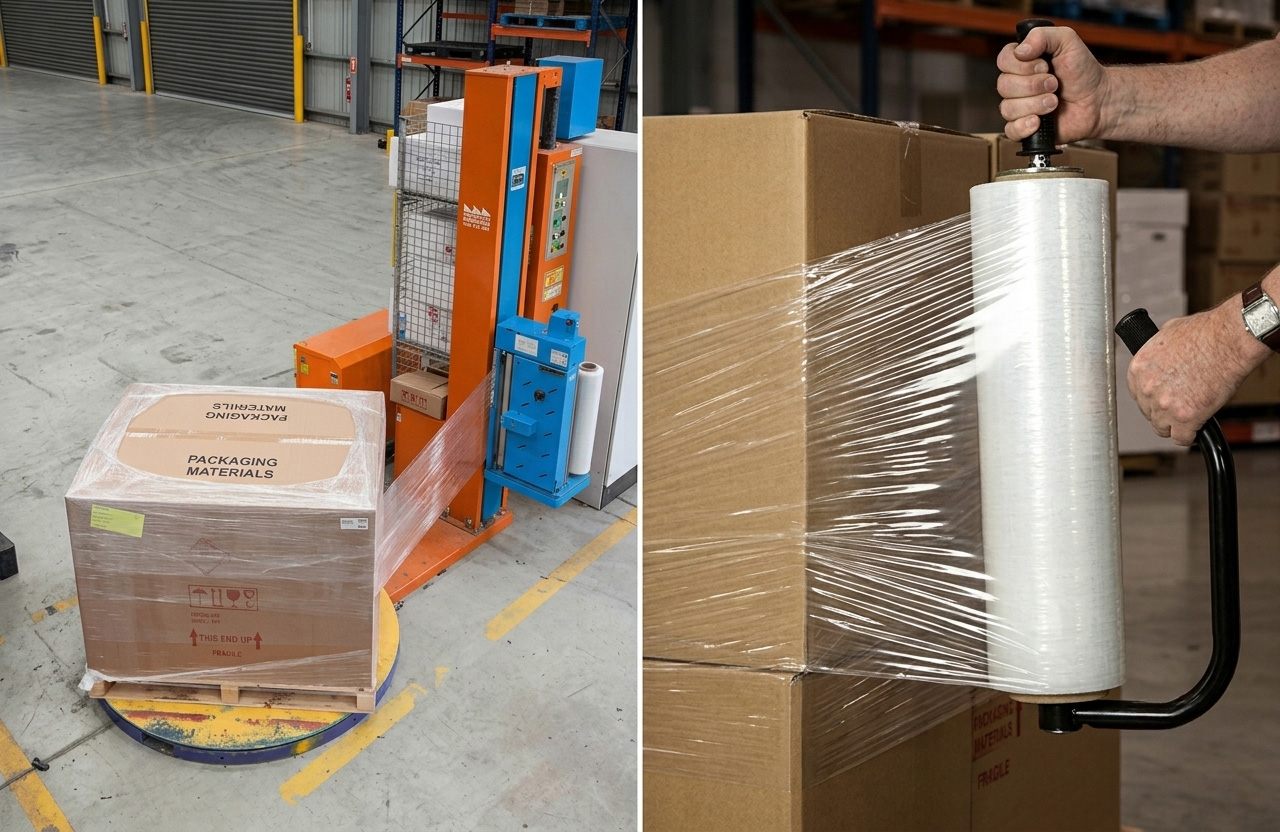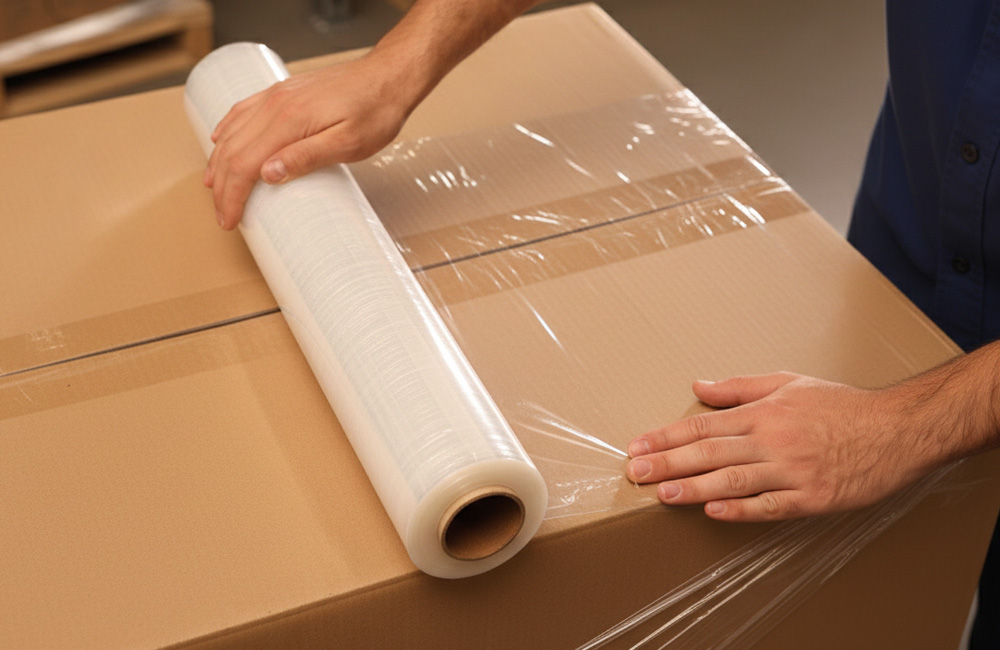


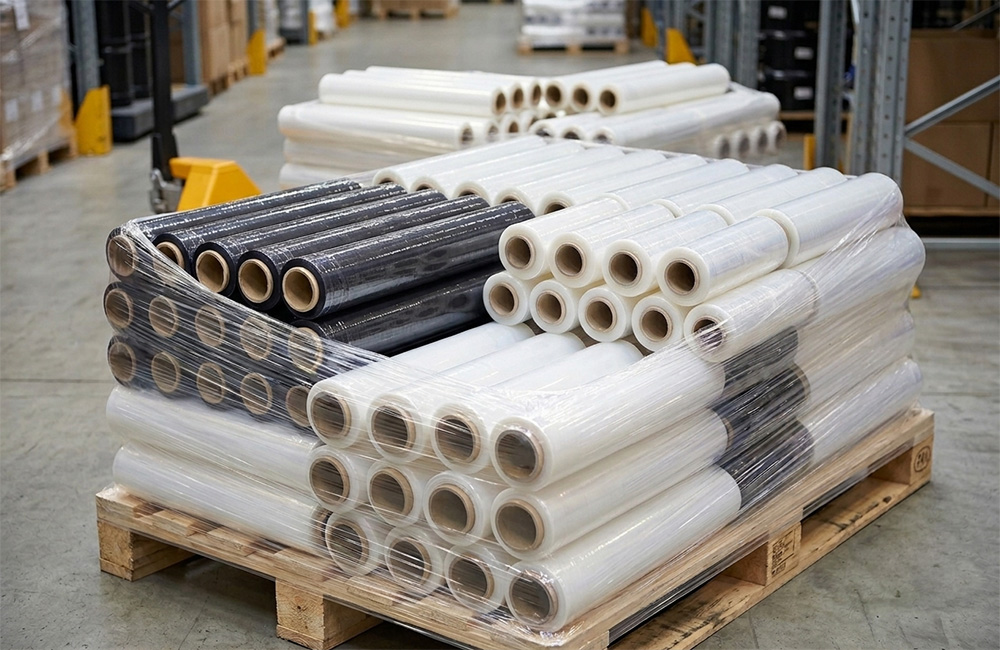

Stretch film is designed to provide excellent load stability and product protection, but its performance depends on more than proper application. The way stretch film is stored before use can have a significant impact on its strength, elasticity, and overall effectiveness. Poor storage conditions may lead to damaged rolls, inconsistent wrapping, and unnecessary material waste.
Whether your business wraps a few pallets each day or manages a large distribution center, following proper storage practices helps maximize the life and performance of your packaging materials. A well-organized storage system also improves warehouse efficiency by ensuring stretch film is always ready for use.
Proper storage is an important part of every successful packaging operation.
Store Stretch Film in a Controlled Environment
Temperature has a direct impact on the properties of stretch film.
Extreme heat can soften the material and reduce its ability to maintain proper tension during wrapping. Extremely cold environments may make the film less flexible, increasing the risk of tearing during application.
Keeping stretch film storage areas at stable indoor temperatures helps preserve the material’s original performance and ensures consistent wrapping results.
Maintaining suitable environmental conditions extends product reliability.
Protect Rolls From Direct Sunlight
Long-term exposure to ultraviolet light can affect plastic packaging materials.
Even if stretch film is stored indoors, placing rolls near large windows where they receive constant sunlight may reduce their performance over time.
Storing film away from direct sunlight helps preserve its elasticity and wrapping characteristics until it is ready to be used.
Simple storage decisions can help maintain consistent product quality.
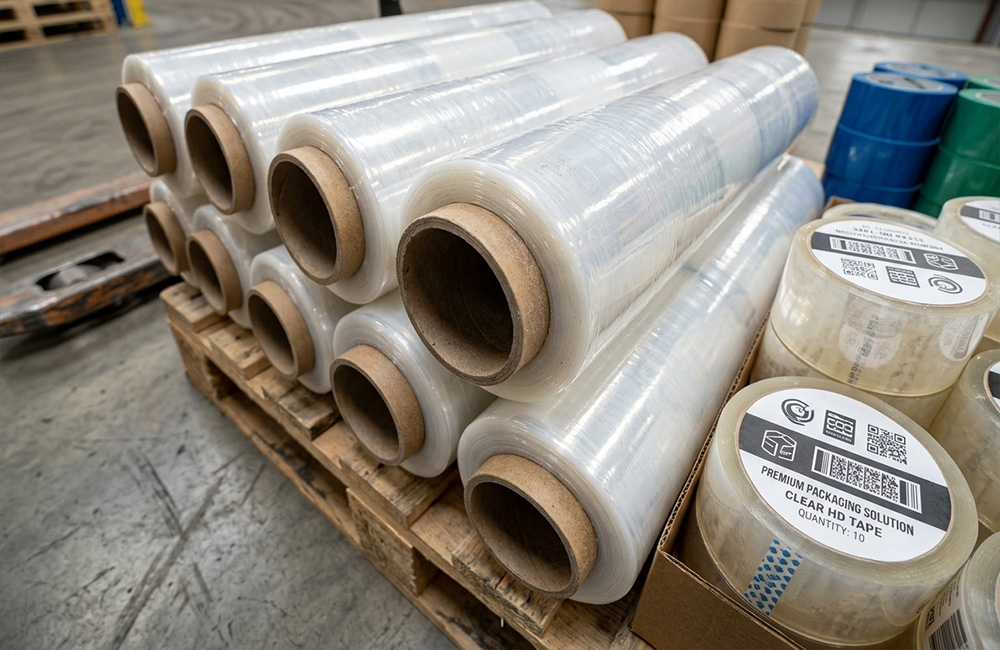
Keep Rolls Clean and Dry
Dust, moisture, and other contaminants can affect packaging materials.
Although stretch film protects products from dirt and moisture during shipping, the film itself should be stored in clean conditions to prevent contamination before application.
Organized packaging material storage areas reduce the risk of damaged or dirty rolls entering daily warehouse operations.
Clean materials contribute to cleaner packaging results.
Store Rolls Upright When Recommended
Following the manufacturer’s storage recommendations helps maintain the shape of each roll.
Improper stacking or placing heavy objects on top of stretch film can deform rolls, making them more difficult to use during wrapping.
Organized shelving systems help prevent unnecessary pressure while improving accessibility for warehouse employees.
Proper handling protects both the packaging material and workplace efficiency.
Rotate Inventory Regularly
Like many packaging materials, stretch film performs best when inventory is managed effectively.
Using older stock before newly delivered products helps maintain consistent performance while reducing the chance of rolls remaining in storage for extended periods.
Simple inventory rotation practices also make warehouse organization more efficient and predictable.
Well-managed inventory supports smoother daily operations.
Handle Stretch Film Carefully
Stretch film rolls should be moved carefully during loading, unloading, and warehouse transportation.
Dropping rolls or striking them against hard surfaces may damage the edges or create defects that affect wrapping performance.
Following proper stretch film handling procedures helps reduce unnecessary waste while ensuring every roll performs as expected.
Careful handling protects valuable packaging materials.
Organize Storage for Faster Operations
Efficient warehouse organization benefits productivity.
Keeping frequently used stretch film sizes in clearly identified storage locations allows employees to retrieve materials quickly while minimizing interruptions to packaging operations.
Well-organized warehouse packaging supplies improve workflow and reduce time spent searching for materials.
Organization contributes directly to operational efficiency.
Inspect Materials Before Use
Even properly stored stretch film should be inspected before application.
Employees should check for damaged edges, crushed rolls, excessive dust, or signs of improper storage. Identifying issues before wrapping begins helps prevent packaging problems later in the shipping process.
Routine inspections support consistent load quality across every shipment.
Preventive checks reduce avoidable disruptions.
Review Storage Procedures Periodically
Warehouse operations evolve over time.
As inventory volumes grow or facility layouts change, businesses should periodically evaluate whether packaging materials are still being stored under appropriate conditions.
Reviewing storage procedures helps maintain stretch film performance while supporting overall warehouse efficiency.
Continuous improvement keeps packaging operations running smoothly.
Protect Your Packaging Investment
Proper stretch film storage helps businesses maintain material quality, improve wrapping consistency, and reduce unnecessary waste. By controlling storage conditions, organizing inventory, and handling materials correctly, companies can maximize the performance of every roll while improving operational efficiency.
If your business is looking for industrial stretch film, dependable warehouse packaging supplies, or expert guidance on improving stretch film performance, Galaxy Inc. provides high-quality packaging solutions designed to help businesses optimize storage, increase efficiency, and protect products throughout the supply chain.