


Packaging waste has become an important concern for manufacturers, distributors, and logistics companies looking to improve operational efficiency while supporting sustainability initiatives. Stretch film remains one of the most effective materials for securing palletized loads, but using more film than necessary can increase material consumption without improving shipment protection.
Efficient stretch film usage is about applying the right amount of film in the right way for each application. Businesses that optimize their wrapping process often reduce waste, improve productivity, and maintain excellent load stability throughout transportation and storage.
Small improvements in packaging practices can create measurable benefits across the entire supply chain.
Understand Why Stretch Film Efficiency Matters
Stretch film is designed to stabilize products during storage and transportation. When used correctly, it protects shipments from shifting while helping prevent damage caused by handling or movement.
Applying excessive film does not automatically create a stronger load. In many cases, it simply increases material usage while adding unnecessary time to the wrapping process.
Focusing on stretch film optimization helps businesses achieve reliable load security while minimizing unnecessary waste.
Efficiency starts with understanding how the material performs.
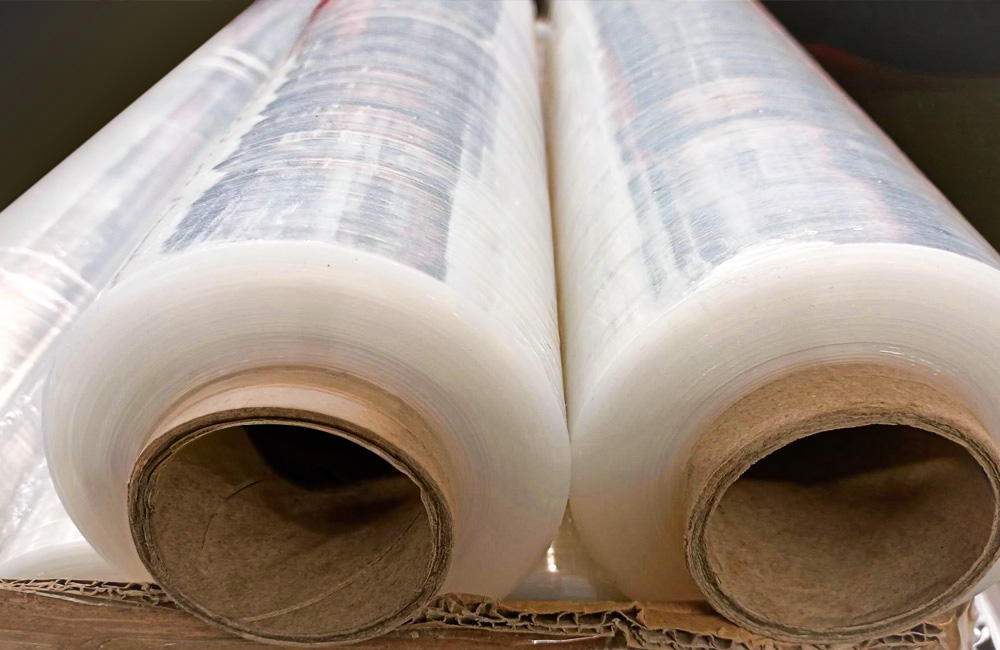
Match the Film to the Application
Different products require different wrapping solutions.
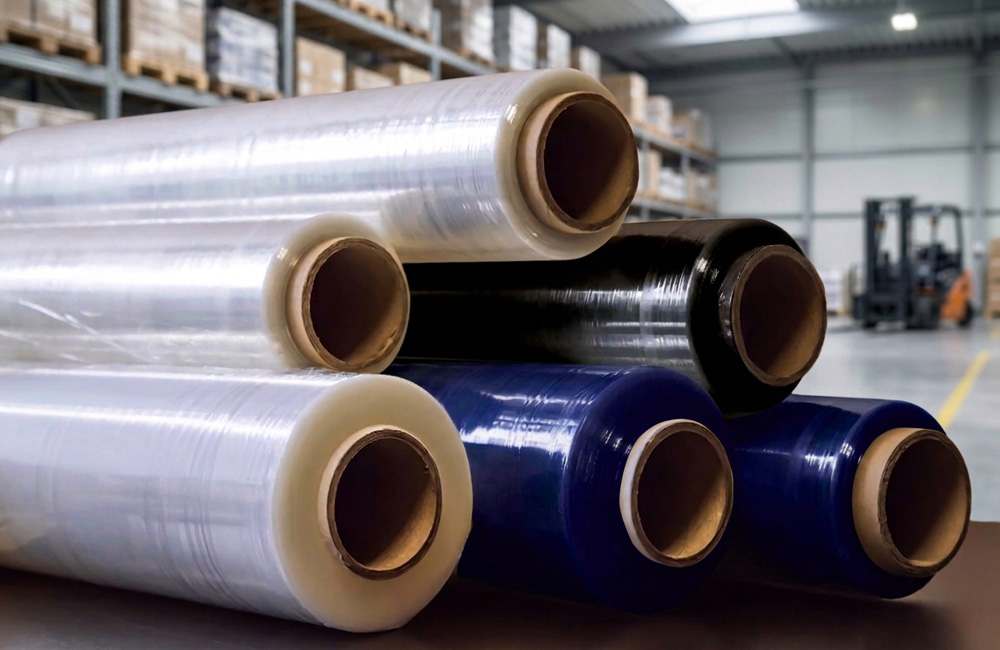
Lightweight consumer goods often need less containment force than heavy industrial equipment or irregularly shaped products. Selecting the appropriate film specification allows businesses to use materials more effectively without sacrificing protection.
Choosing the correct industrial stretch wrap based on pallet weight, product shape, and transportation conditions improves both performance and material efficiency.
Every shipment deserves the right packaging solution.
Standardize Wrapping Procedures
Consistency plays a major role in reducing waste.
When every employee follows a standardized wrapping method, film usage becomes more predictable and packaging quality remains consistent across every shipment.
Clear procedures for overlap, tension, wrapping patterns, and film application help improve pallet wrapping efficiency while reducing unnecessary material consumption.
Standardization also makes employee training much easier.
Optimize Film Tension
Stretch film performs best when it is applied with the proper amount of tension.
Film wrapped too loosely may fail to secure the load, while excessive tension can stretch the material beyond its optimal performance or damage lightweight cartons.
Maintaining consistent tension allows the film to provide maximum holding force while using only the material required for effective containment.
Proper application improves both protection and efficiency.
Use Equipment That Supports Consistent Performance
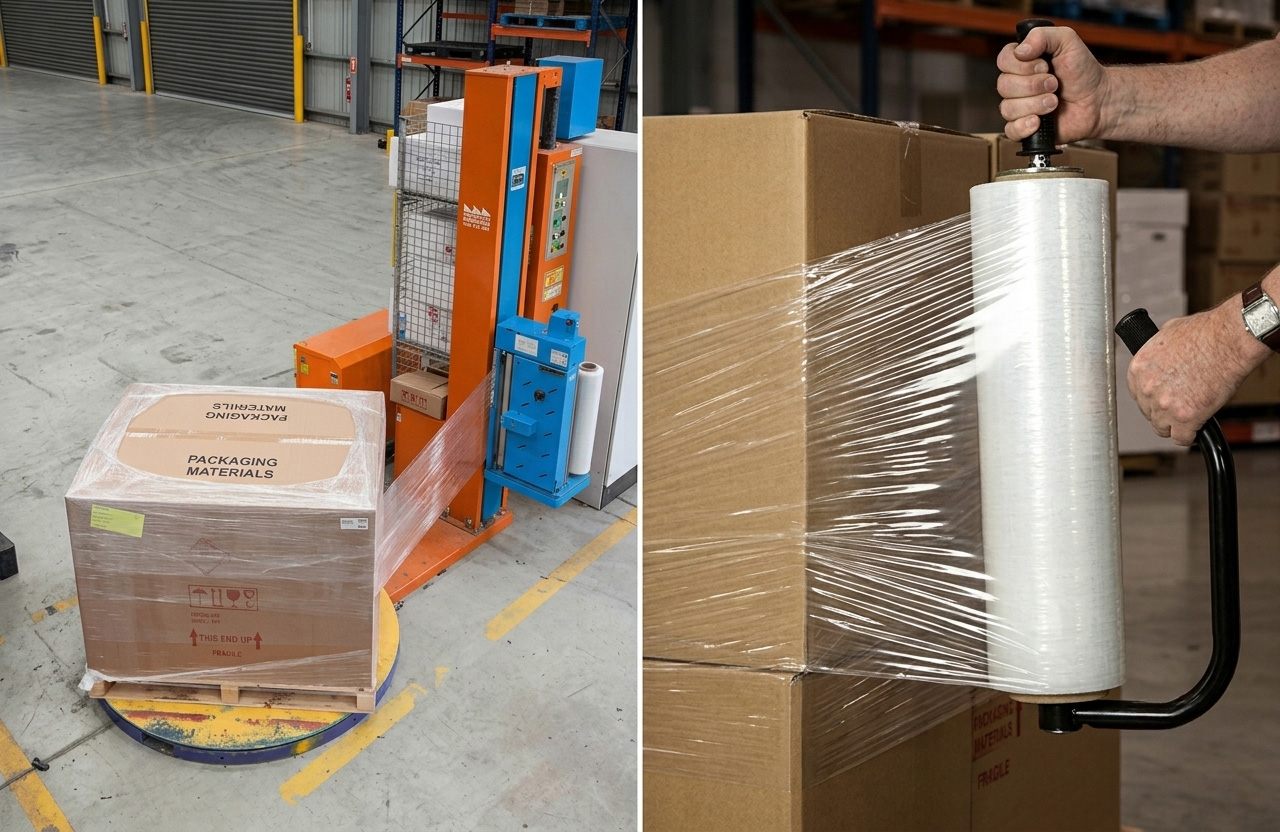
Businesses using automated wrapping systems can often improve efficiency through proper machine setup and regular maintenance.
Well-calibrated equipment applies film consistently, helping reduce variation between pallets while minimizing unnecessary film usage.
Even operations using manual wrapping can benefit from ergonomic dispensers that improve control and reduce operator fatigue.
Reliable equipment contributes to better packaging performance.
Train Employees Regularly
Even high-quality stretch film cannot perform effectively without proper application.
Warehouse employees should understand how different products require different wrapping techniques and how incorrect film usage can affect shipment stability.
Ongoing training helps employees identify opportunities to reduce waste while maintaining secure loads throughout transportation.
Well-trained teams consistently produce better packaging results.
Monitor Film Consumption
Tracking material usage provides valuable insights into packaging performance.
Businesses that regularly measure stretch film consumption can identify trends, compare wrapping methods, and evaluate whether process improvements are producing measurable results.
Monitoring usage also helps identify unexpected increases that may indicate equipment issues or inconsistent application techniques.
Data-driven decisions support continuous improvement.
Sustainability and Operational Efficiency Work Together
Reducing packaging waste is not only an environmental objective but also an operational advantage.
Using materials efficiently reduces unnecessary consumption while supporting broader sustainable warehouse packaging initiatives. Businesses that optimize packaging processes often improve warehouse productivity alongside their sustainability goals.
Responsible packaging practices benefit both daily operations and long-term business strategies.
Efficiency and sustainability often go hand in hand.
Review Your Packaging Process as Your Business Grows
Packaging requirements evolve as businesses expand.
Changes in product dimensions, pallet configurations, shipping methods, or warehouse automation may all create opportunities to improve wrapping performance.
Regular process evaluations help ensure your packaging operation continues delivering reliable protection while using materials as efficiently as possible.
Continuous improvement supports long-term success.
Build a Smarter Stretch Film Strategy
Efficient stretch film usage helps businesses reduce packaging waste without compromising load stability or shipment protection. By selecting the right materials, standardizing wrapping procedures, training employees, and monitoring performance, organizations can improve both operational efficiency and sustainability.
If your business is looking for industrial stretch wrap, advanced load wrapping solutions, or expert guidance on improving stretch film optimization, Galaxy Inc. provides high-quality packaging solutions designed to help businesses increase efficiency, reduce waste, and protect products throughout the supply chain.