
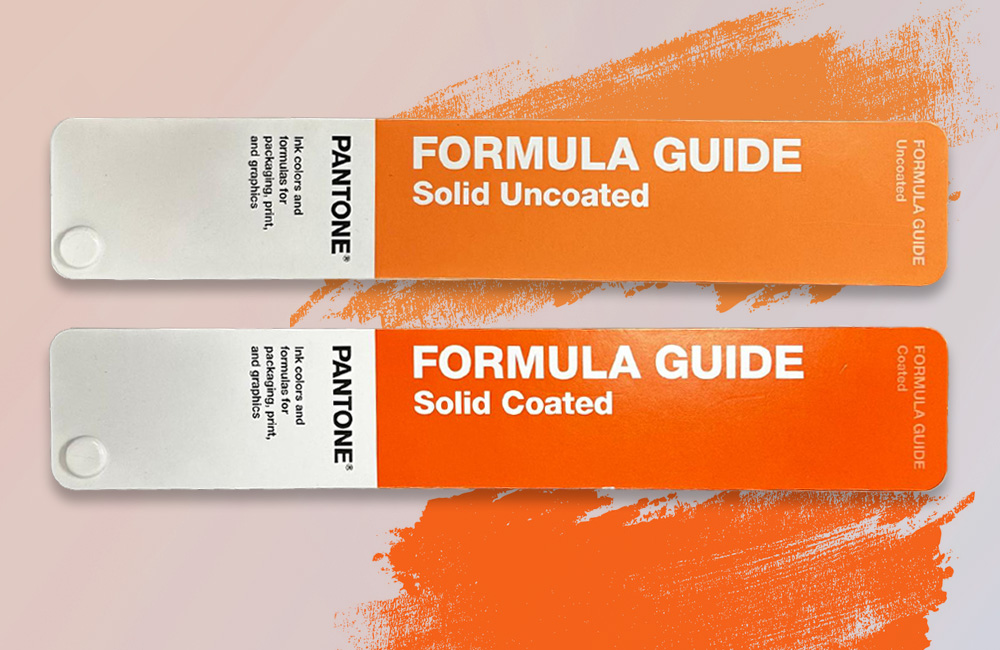

Coated vs Uncoated Paper in Packaging: Which Option Is Right for Your Business?
Packaging decisions go beyond appearance—they directly influence product protection, branding, and customer perception. One of the most important choices businesses face when selecting paper packaging is whether to use coated or uncoated paper.
Each option offers distinct advantages depending on the application. While coated paper provides a smooth, premium finish, uncoated paper delivers a more natural and cost-effective solution. Understanding the differences between these materials helps businesses align their packaging strategy with both operational needs and brand positioning.
What Is Coated Paper?
Coated paper is treated with a surface layer—typically clay or polymer—that enhances its smoothness and printability. This coating creates a refined finish, allowing colors and graphics to appear sharper and more vibrant.
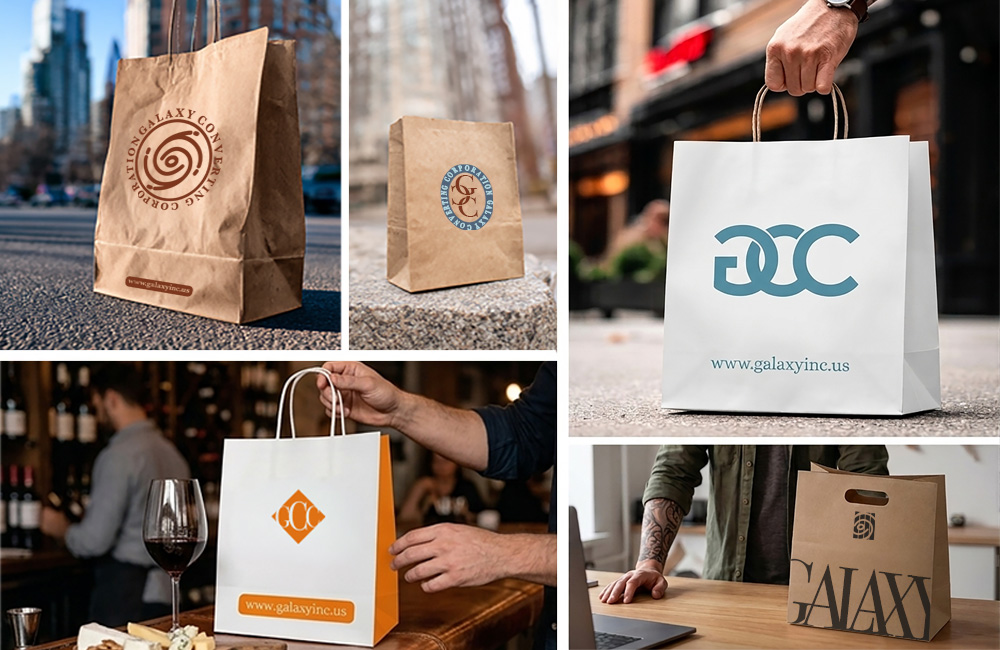
In packaging, coated paper is often used for high-end retail products, branded bags, and promotional materials. Businesses that prioritize visual impact frequently choose coated options for their superior print quality.
Companies sourcing bulk paper bags for retail packaging often consider coated paper when branding and presentation are key priorities.
What Is Uncoated Paper?
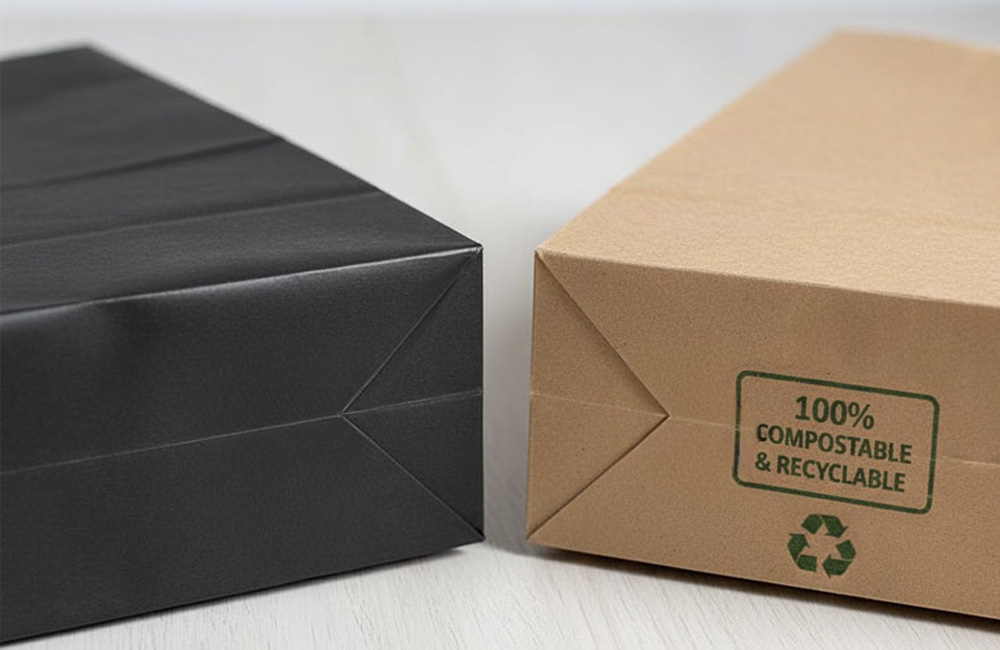
Uncoated paper does not have an additional surface treatment, giving it a more natural and textured feel. It is commonly used in kraft paper bags and eco-friendly packaging solutions.
This type of paper absorbs ink more easily, resulting in a softer, more organic print appearance. Uncoated paper is widely used in grocery, food service, and everyday retail packaging.
Many businesses combine uncoated materials with non woven reusable shopping bags to balance sustainability, cost, and durability across different packaging needs.
Key Differences Between Coated and Uncoated Paper
The main differences between coated and uncoated paper come down to texture, print quality, durability, and cost.
Coated paper offers a smooth surface that enhances print clarity and color vibrancy. It is ideal for businesses that want to create a premium look and strong visual branding.
Uncoated paper, on the other hand, provides a more natural appearance and is typically more affordable. It is better suited for high-volume packaging where cost efficiency is a priority.
Another key difference is ink absorption. Coated paper resists absorption, allowing ink to sit on the surface, while uncoated paper absorbs ink, creating a more muted effect.
Durability and Performance in Packaging
Durability is a critical factor when choosing packaging materials. Coated paper tends to be more resistant to moisture and external conditions due to its protective layer. This makes it suitable for products that require additional protection.
Uncoated paper, while slightly less resistant to moisture, performs well in dry environments and is strong enough for most retail applications. It is commonly used in kraft paper bags that need to carry moderate loads.
For businesses that require enhanced durability in certain applications, integrating options like durable reusable shopping bags for businesses can provide additional strength and long-term usability.
Cost Considerations for Businesses
Cost is often a deciding factor in packaging selection. Uncoated paper is generally more cost-effective due to its simpler production process and lower material cost.
This makes it an ideal choice for businesses that require large volumes of packaging, such as supermarkets and food service providers.
Coated paper, while more expensive, offers added value through improved aesthetics and branding potential. Businesses that view packaging as part of their marketing strategy often consider this additional cost a worthwhile investment.
Branding and Customer Perception
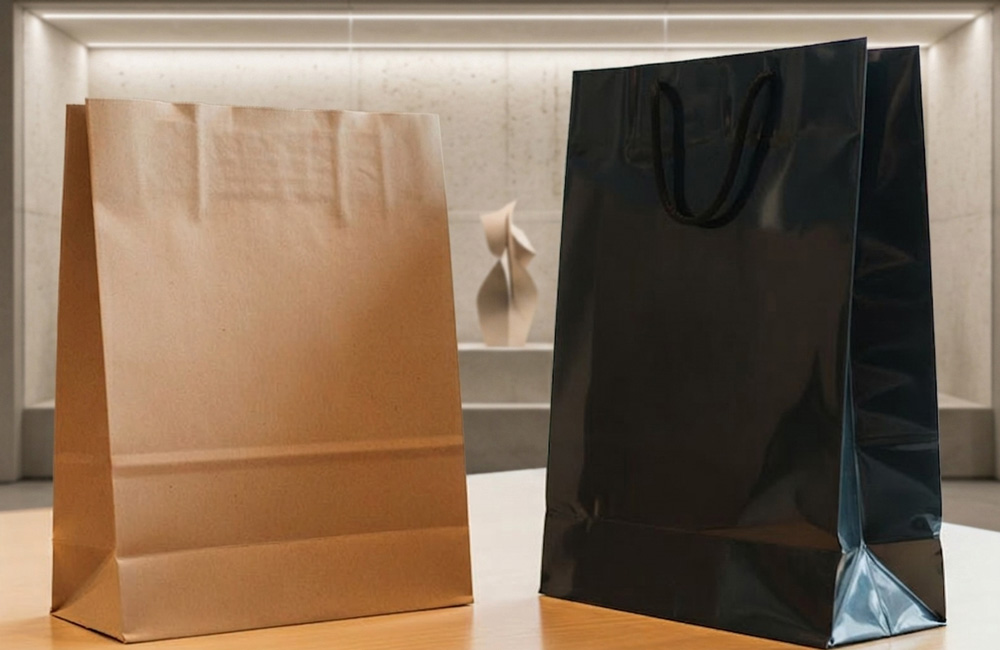
Packaging plays a significant role in how customers perceive a brand. Coated paper delivers a polished and professional look, making it ideal for premium products and high-end retail environments.
Uncoated paper, with its natural texture, appeals to brands that emphasize sustainability and simplicity. It creates an authentic and eco-conscious image that resonates with modern consumers.
Retailers often evaluate both options when working with a reusable shopping bags supplier USA to ensure consistency across different packaging formats.
Best Use Cases for Each Paper Type
Coated paper is best suited for:
- Luxury retail packaging
- High-quality printed designs
- Promotional and branded materials
Uncoated paper is ideal for:
- Grocery and food packaging
- Eco-friendly branding
- High-volume retail operations
In many cases, businesses use both types strategically depending on product category and customer expectations.
How to Choose the Right Option for Your Business
Selecting between coated and uncoated paper depends on your business goals and operational requirements.
If your focus is on premium branding and visual appeal, coated paper is the better choice. It enhances print quality and creates a more refined customer experience.
If cost efficiency and sustainability are your priorities, uncoated paper offers a practical and scalable solution.
Businesses should evaluate their packaging needs holistically, considering product type, budget, and brand positioning.
Making Smarter Packaging Decisions
Choosing between coated and uncoated paper is not just about material preference—it’s about aligning packaging with your business strategy. By understanding the strengths of each option, companies can create packaging solutions that balance cost, performance, and brand impact. The right choice ultimately supports both operational efficiency and long-term business growth.