

Machine Stretch Film vs Hand Stretch Film
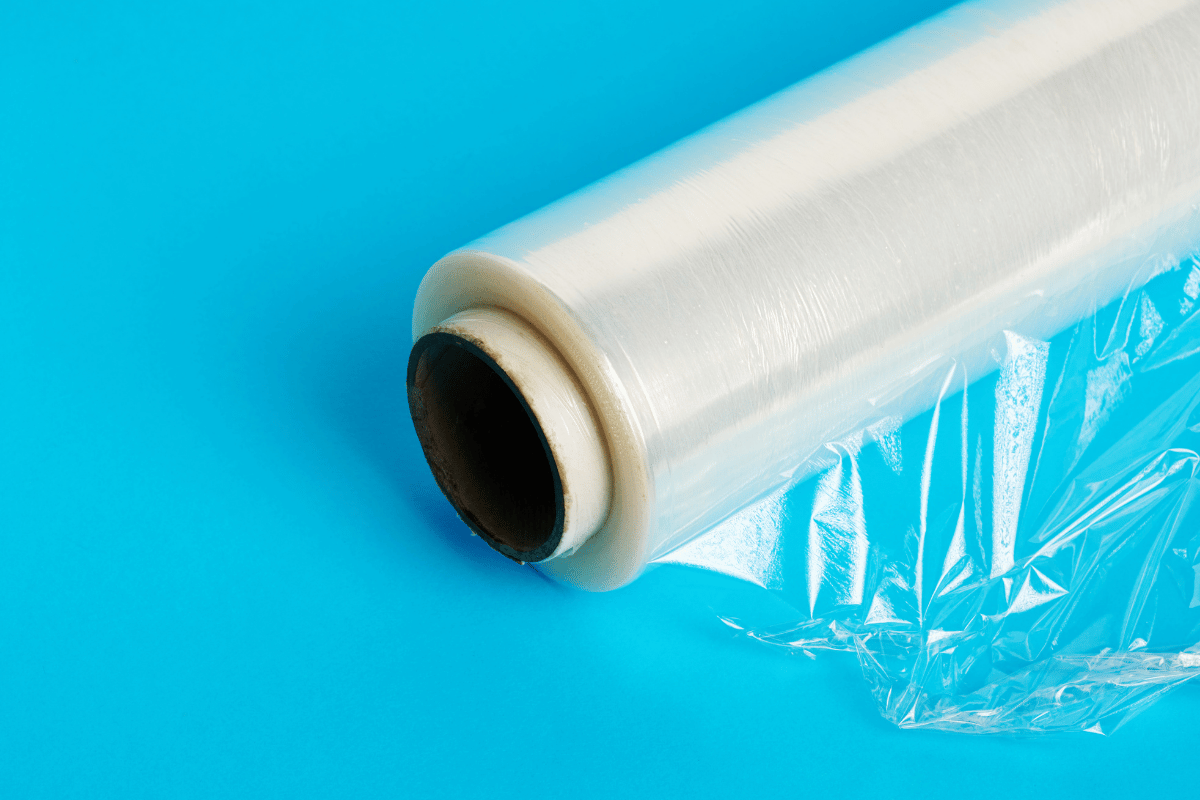
Stretch film is an essential tool for securing palletized goods in modern supply chains. However, businesses often face an important decision when choosing between machine stretch film and hand stretch film .
Selecting the right option can significantly affect packaging efficiency, labor costs, and product protection.
In this article, we explore the key differences between machine stretch film and hand stretch film to help businesses determine the best solution for their operations.
What Is Hand Stretch Film?
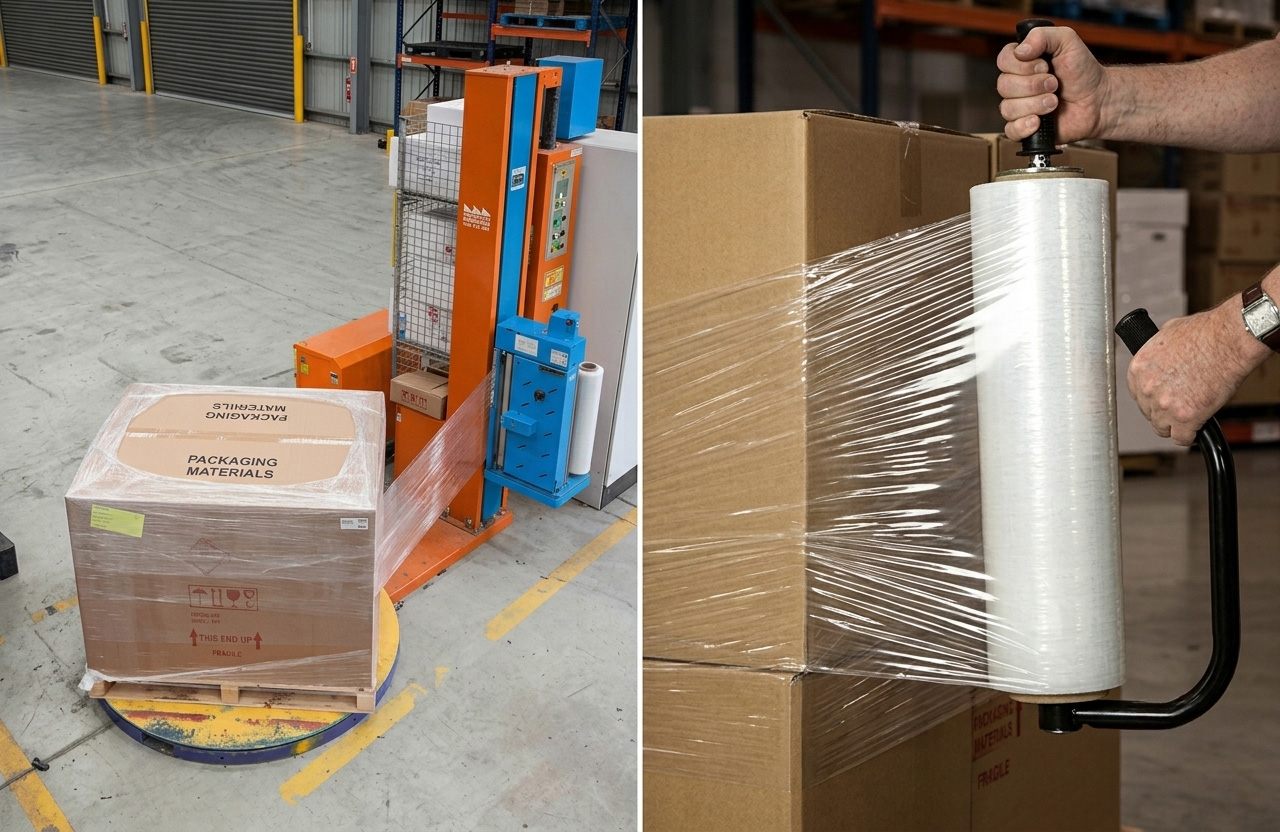
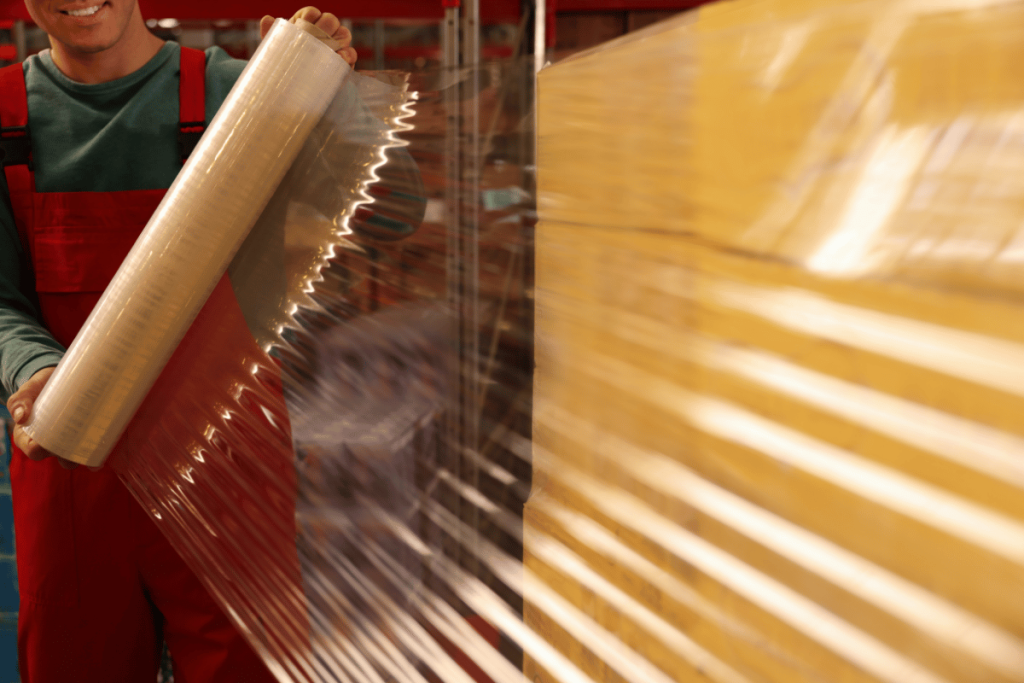
Hand stretch film is applied manually by warehouse workers wrapping pallets by hand.
It is commonly used in:
- small warehouses
- low-volume packaging operations
- retail stockrooms
- businesses without wrapping machines
Hand stretch film offers flexibility because it requires minimal equipment investment.
However, manual application can lead to inconsistent wrapping tension and higher film consumption.
What Is Machine Stretch Film?
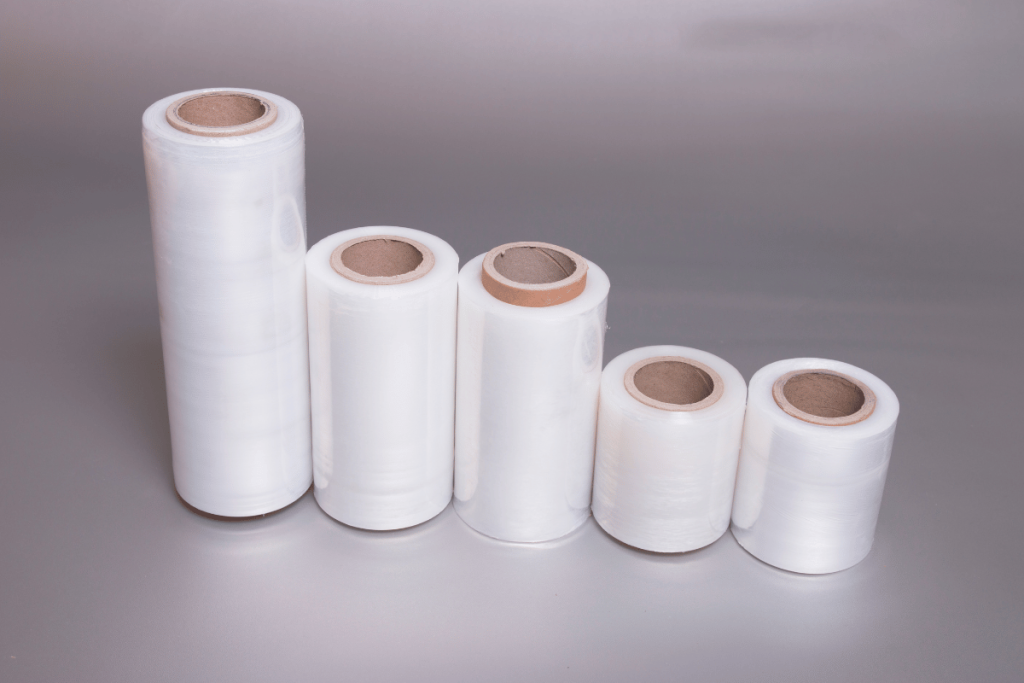
Machine stretch film is designed for automated pallet wrapping machines.
These machines stretch the film before applying it to the pallet, creating tighter and more consistent load containment.
Machine stretch film is commonly used in:
- manufacturing facilities
- large distribution centers
- logistics companies
- high-volume shipping operations
Because the wrapping process is automated, machine stretch film improves speed and efficiency.
Key Differences Between Machine and Hand Stretch Film
Packaging Speed
Machine stretch film dramatically increases wrapping speed.
A pallet wrapping machine can wrap dozens of pallets per hour, while manual wrapping is significantly slower.
For companies shipping high volumes of goods, automation improves overall warehouse productivity.
Film Efficiency
Machine stretch film allows for higher stretch ratios, meaning the film can stretch further before breaking.
This reduces material usage and lowers packaging costs.
Manual wrapping often results in overuse of film because workers cannot maintain consistent tension.
Labor Costs
Hand wrapping requires significant physical labor and time.
In contrast, machine wrapping reduces labor requirements and allows employees to focus on other tasks.
For growing businesses, automation can deliver significant long-term savings.
Load Stability
Machine-applied stretch film ensures consistent tension across the pallet.
This improves load stability and reduces product movement during transportation.
Manual wrapping may leave weak points where the film is not applied evenly.
When Should Businesses Use Hand Stretch Film?
Hand stretch film is still a practical solution for many businesses.
It works well for:
- small operations
- irregular packaging needs
- low daily pallet volume
- temporary packaging setups
If a company wraps fewer than 15–20 pallets per day, manual wrapping may remain cost-effective.
When Should Businesses Switch to Machine Stretch Film?
Companies typically switch to machine stretch film when:
- pallet volume increases
- labor costs rise
- packaging consistency becomes critical
- shipping damage increases
Automated wrapping systems deliver greater efficiency for operations handling hundreds of pallets daily.
Cost Comparison
While machine stretch film requires an initial investment in wrapping equipment, long-term savings can be substantial.
Benefits include:
- lower film consumption
- reduced labor costs
- faster packaging speed
- improved load security
For many businesses, the return on investment becomes clear within the first year.
Conclusion
Both hand stretch film and machine stretch film play important roles in industrial packaging.
Hand stretch film offers flexibility and low initial cost, while machine stretch film provides superior efficiency and consistency for high-volume operations.
By evaluating packaging volume, labor costs, and operational goals, businesses can determine which stretch film solution best supports their logistics strategy.