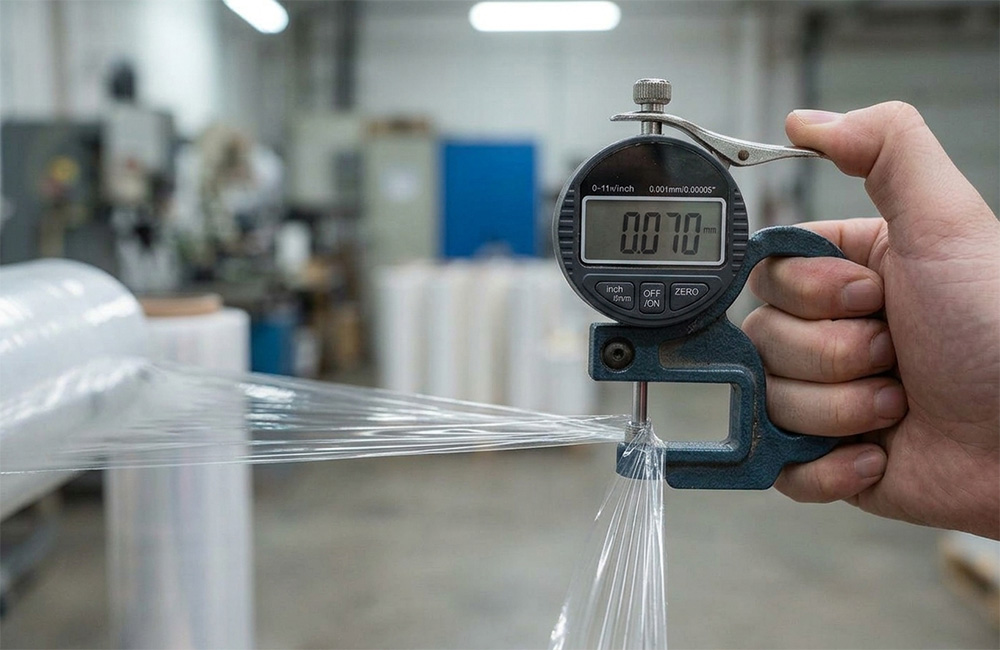




In modern logistics and industrial packaging, selecting the right type of film is not just a technical decision it directly affects product safety, transportation efficiency, and operational costs. Two of the most widely used solutions are stretch film and shrink film. While they may appear similar at first glance, they serve completely different purposes and are used in distinct applications.
Understanding the difference between these two materials helps businesses make smarter packaging decisions, reduce product damage, and optimize supply chain performance.
What Is Stretch Film?
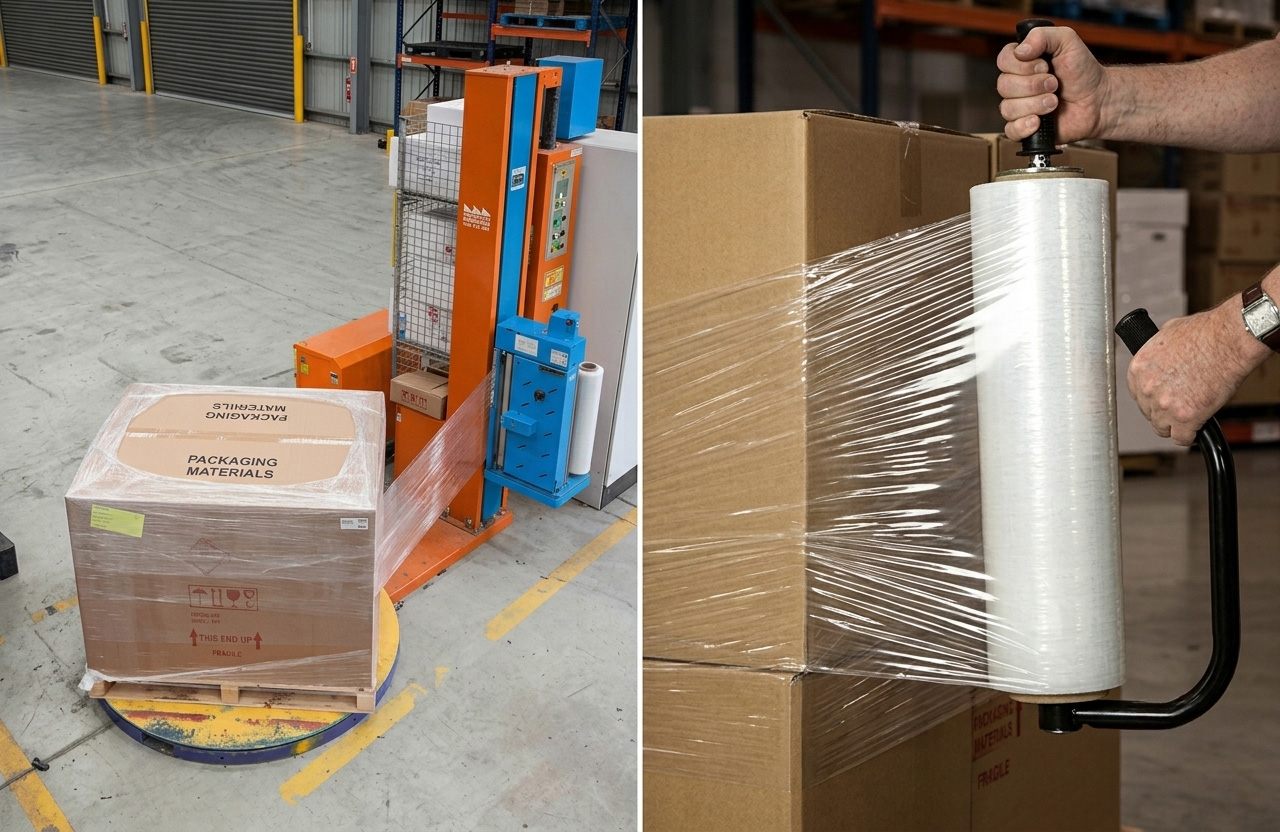
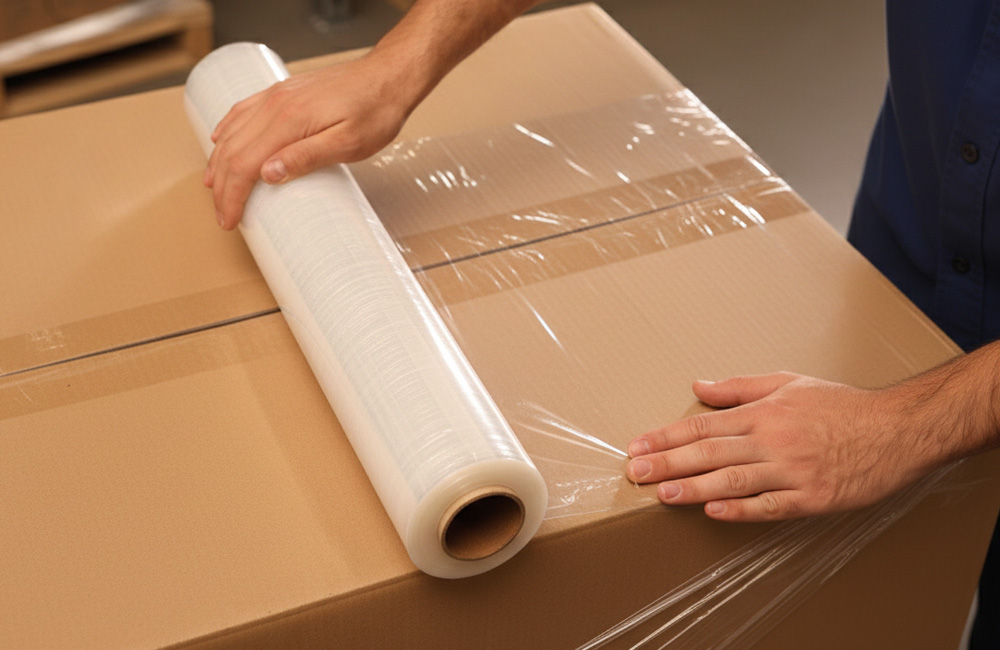
Stretch film is a highly elastic plastic material designed to wrap around products, particularly palletized goods. It is applied by stretching the film tightly around items, which creates tension that holds everything securely in place.
This tension is the key advantage of stretch film. It stabilizes loads, prevents shifting during transport, and protects goods from dust and minor environmental exposure.
Stretch film is commonly used in warehouses, distribution centers, and logistics operations where large volumes of goods need to be transported safely.

What Is Shrink Film?
Shrink film works differently. Instead of being stretched, it is loosely applied around a product and then exposed to heat. The heat causes the film to shrink tightly around the item, forming a sealed and protective layer.
This makes shrink film ideal for retail packaging and product presentation. It creates a clean, tight appearance that enhances visual appeal while protecting products.
Shrink film is widely used for packaging consumer goods, food products, and multi-item bundles.
Key Differences Between Stretch Film and Shrink Film
The core difference lies in how the films are applied and what they are designed to achieve.
| Feature | Stretch Film | Shrink Film |
|---|---|---|
| Application Method | Stretch tension | Heat shrinking |
| Primary Use | Pallet stabilization | Product sealing |
| Equipment | Stretch wrapper | Heat tunnel or gun |
| Appearance | Loose but tight hold | Tight, sealed finish |
| Industry Use | Logistics, warehousing | Retail, food packaging |
Stretch film focuses on load stability, while shrink film focuses on product protection and presentation.
Industrial Applications
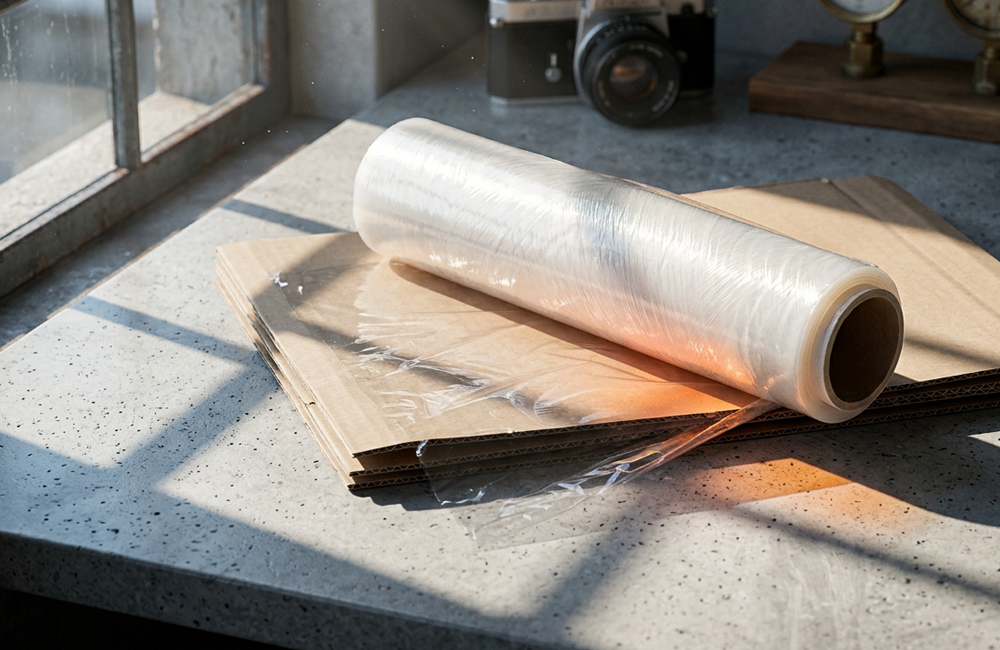
Stretch film is essential in logistics operations. It is used to secure pallet loads, reduce product movement, and protect shipments during transport. Businesses dealing with high-volume distribution rely heavily on stretch film for efficiency.
Shrink film, on the other hand, is commonly used in retail and manufacturing. It is ideal for packaging individual products, bundling items together, and creating tamper-evident seals.
Which One Should You Choose?
The choice depends on your business needs:
- For shipping and palletizing → Stretch film
- For retail packaging and product display → Shrink film
In many cases, businesses use both materials for different stages of their supply chain.
Conclusion
Stretch film and shrink film are both essential packaging solutions, but they serve different roles. Understanding their differences allows businesses to improve efficiency, reduce damage, and choose the most cost-effective solution for their operations.