


The Role of Stretch Film in Modern Packaging Operations
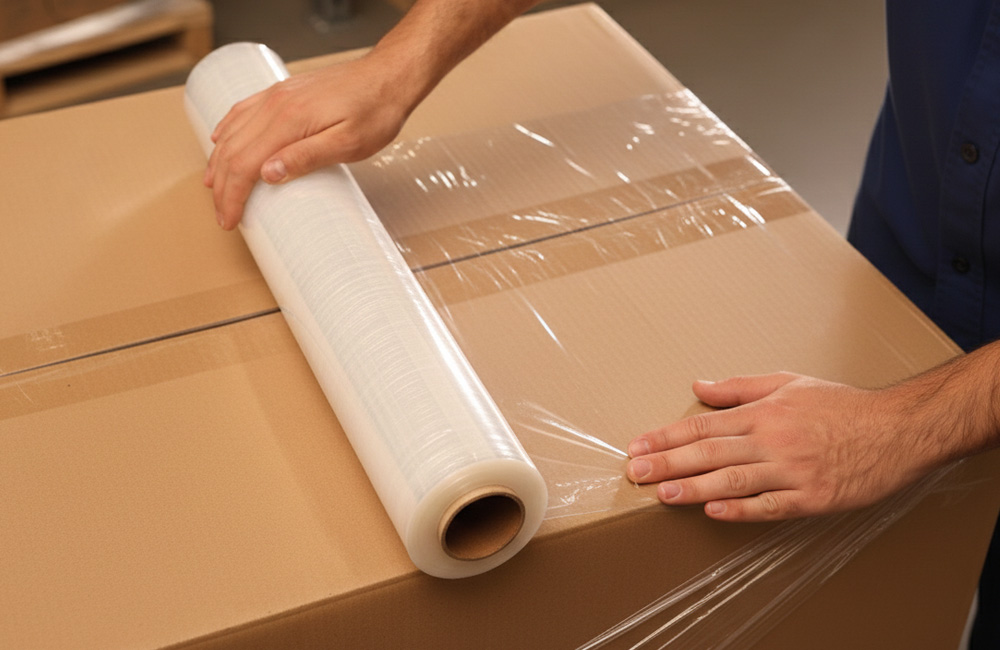
Stretch film wrapping roll is one of the most essential materials used in industrial packaging and logistics across the United States. Designed to secure and stabilize products, it plays a critical role in ensuring goods are transported safely through supply chains.
Used primarily for pallet wrapping, stretch film pallet wrap helps businesses reduce product damage, improve handling efficiency, and maintain load integrity during shipping and storage.
Its flexibility, cost-effectiveness, and compatibility with automated systems make it a preferred packaging solution in manufacturing, warehousing, and distribution environments.
What Is Stretch Film?
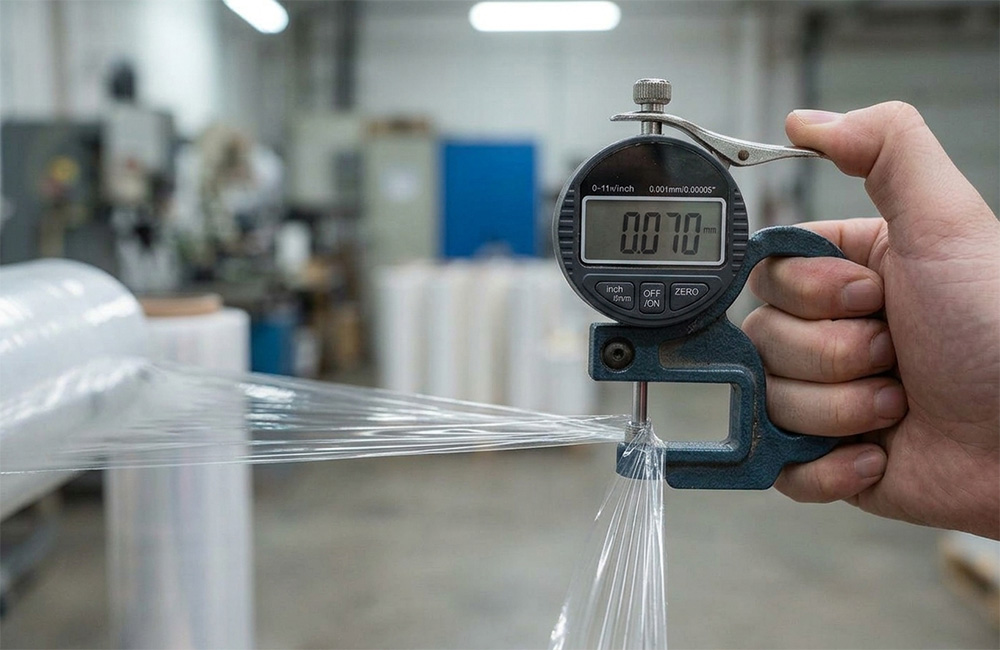
Stretch film is a highly elastic plastic film, typically made from linear low-density polyethylene (LLDPE). It is designed to stretch around products and pallets while maintaining tension, creating a secure and stable load.
Once applied, the film contracts slightly, holding items tightly together and preventing movement.
Key characteristics include:
- high elasticity
- strong load retention
- tear and puncture resistance
- transparency for easy product identification
These properties make stretch film highly effective for protecting goods during transportation.
Types of Stretch Film Used in Industry
Different operations require different types of stretch film depending on volume, load size, and application method.
Hand Stretch Film
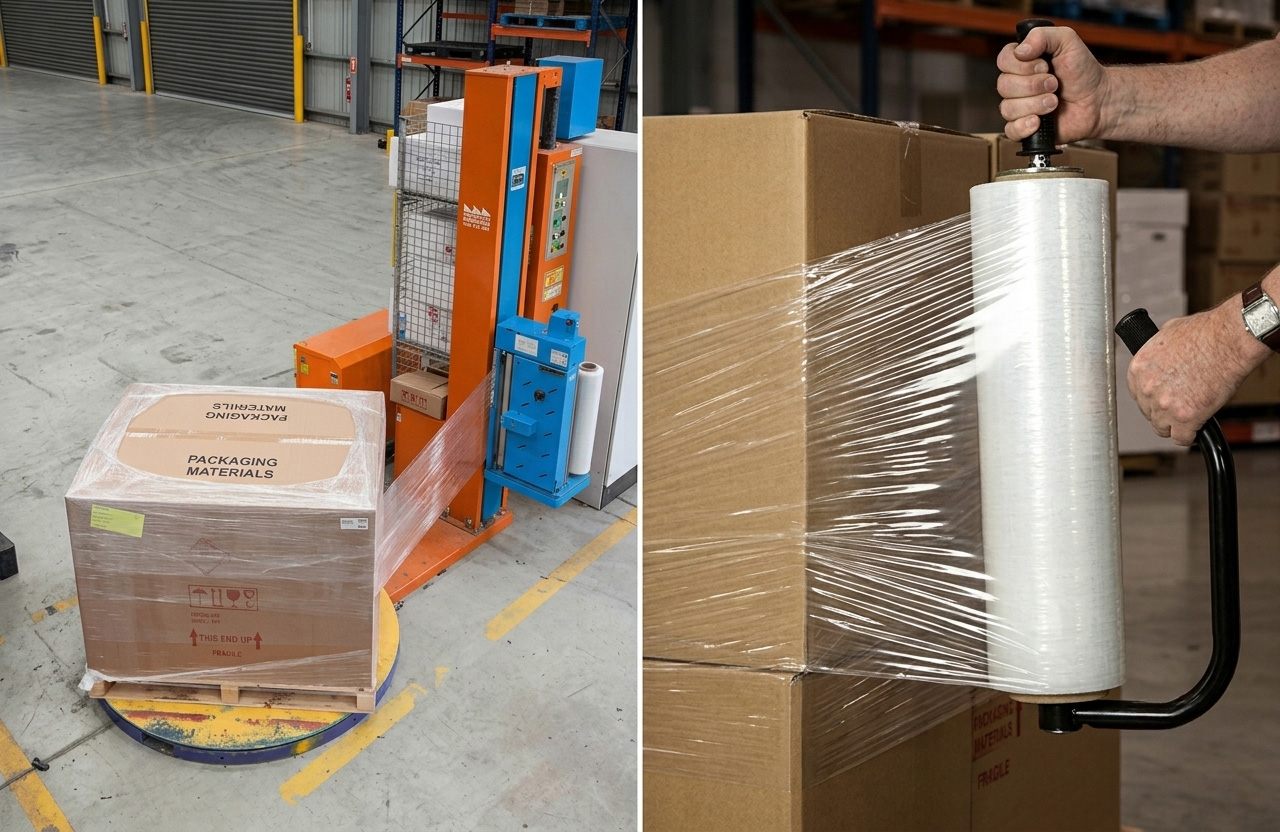
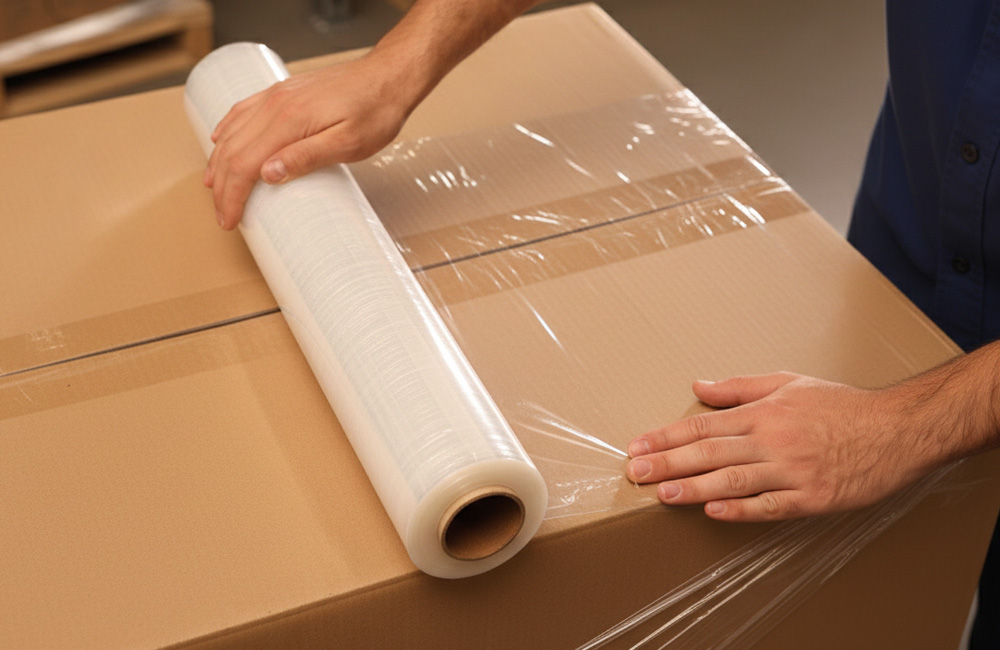
Hand stretch film is applied manually and is commonly used in smaller operations or businesses with lower packaging volumes.
Typical use cases:
- small warehouses
- retail backrooms
- low-volume shipping
Machine Stretch Film
Industrial stretch film solutions are designed for automated pallet wrapping systems
It provides:
- consistent wrapping tension
- faster packaging speed
- reduced material waste
This type is widely used in large-scale logistics and manufacturing facilities.
Pre-Stretched Film
Pre-stretched film is stretched during production, making it easier to apply.
Benefits include:
- less physical effort required
- reduced film usage
- consistent load containment
Blown vs Cast Stretch Film
Stretch film is also categorized by production method:
Blown Stretch Film
- higher strength and durability
- better puncture resistance
- suitable for irregular loads
Cast Stretch Film
- high clarity
- smooth and quiet application
- consistent thickness
Key Uses of Stretch Film Across Industries
Stretch film is used across multiple sectors due to its versatility and efficiency.
Pallet Wrapping and Load Stabilization
The most common use of stretch film pallet wrap is securing products on pallets.
Benefits include:
- preventing load shifting
- reducing product damage
- improving transport safety
This application is critical in:
- distribution centers
- freight shipping
- warehouse operations
Warehouse Storage Protection
Protective stretch film wrapping protects products stored in warehouses by acting as a barrier against:
- dust
- dirt
- light moisture
Wrapped pallets can also be stacked more safely, improving storage efficiency.
Transportation and Logistics
During transportation, products are exposed to vibration, movement, and handling.
Stretch film ensures:
- load integrity during transit
- reduced product movement
- improved delivery reliability
This is especially important for long-distance shipping.
Manufacturing and Production Lines
Manufacturers use stretch film to secure finished goods before distribution.
It is commonly applied to:
- boxed products
- industrial components
- raw materials
This ensures products remain protected before reaching customers or distributors.
Retail and Distribution Networks
Retail supply chains rely on stretch film to transport goods from suppliers to stores.
It helps:
- maintain product condition
- streamline logistics operations
- improve handling efficiency
Benefits of Using Stretch Film
Stretch film provides several operational advantages for businesses.
Cost Efficiency
Stretch film is a cost-effective packaging solution compared to alternatives like strapping or shrink wrap.
It reduces:
- material costs
- labor time
- packaging complexity
Improved Load Security
Properly wrapped pallets are more stable, reducing risks during transport and handling.
Flexibility and Adaptability
Stretch film can be used for various load sizes and shapes, making it suitable for multiple industries.
Compatibility with Automation
Stretch film works seamlessly with automated wrapping systems, improving productivity in high-volume operations.
Choosing the Right Stretch Film
Businesses should consider several factors when selecting stretch film:
- load weight and size
- transportation distance
- packaging equipment
- cost efficiency goals
Selecting the correct type ensures optimal performance and reduced operational costs.