
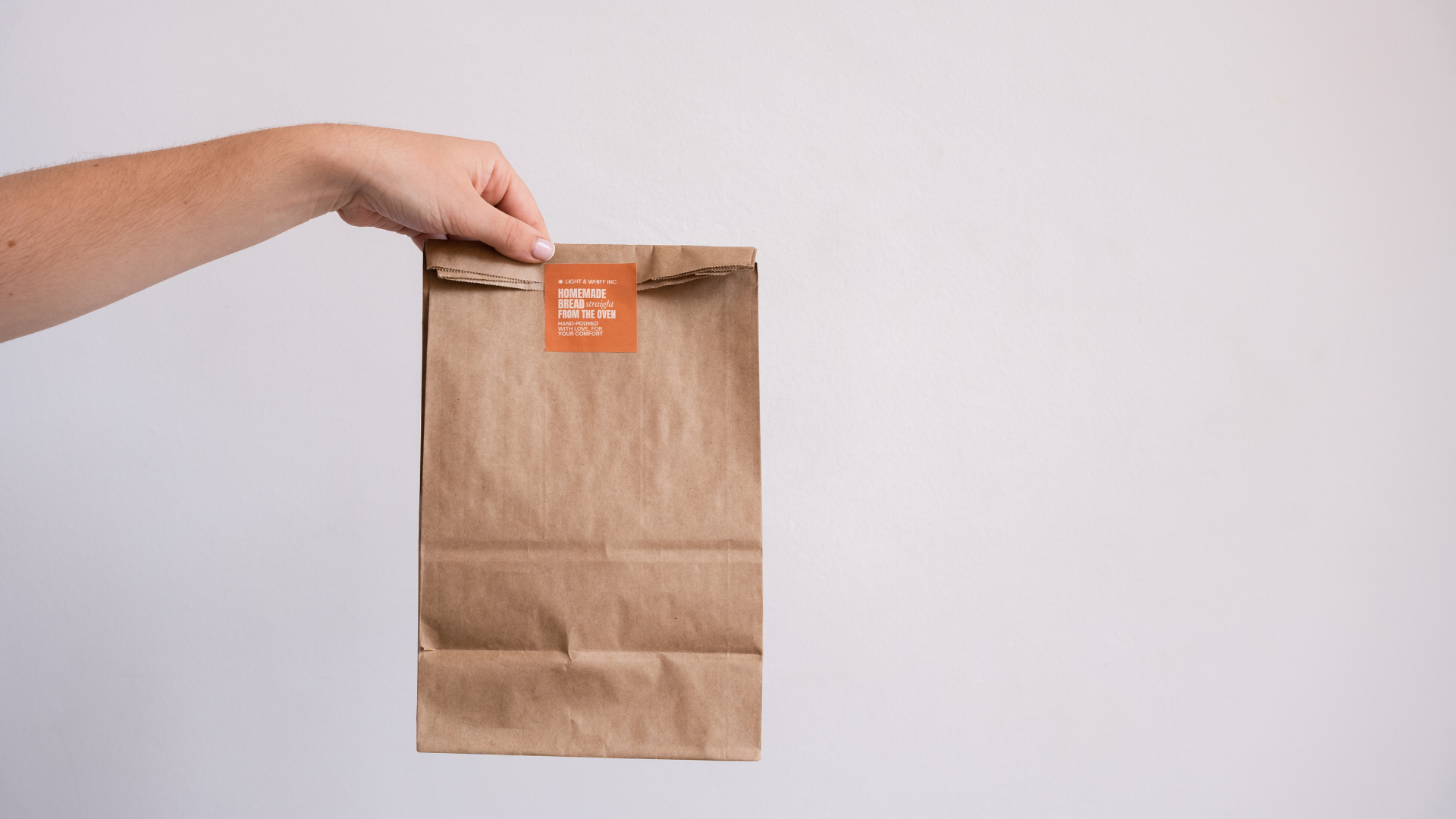

Flour is a demanding product to package. It is fine, dusty and heavy, it must stay dry and clean, and the bag has to survive filling, stacking, shipping and handling. Multiwall paper bags have been the standard solution for decades because they combine strength with breathability and a good printing surface. This guide explains the main choices when specifying multiwall paper flour bags: ply count, closure type, barrier layers and printing.
What is a multiwall paper bag?
A multiwall bag is made from two or more layers, or plies, of paper, usually kraft paper. Each ply adds strength, and together they spread the load so the bag resists tearing and bursting. The outer ply is often chosen for printing and appearance, while inner plies provide strength and, when needed, barrier properties.
Multiwall bags are used for flour, sugar, grains, animal feed, seeds and many other dry goods. For flour, they are popular with mills, bakeries, food manufacturers and distributors.
Choosing the ply count
The number of plies is mainly a question of fill weight and handling. As a general principle:
- Smaller retail and bakery bags typically need fewer plies because the load is lighter and handling is gentler.
- Larger industrial and bulk bags need more plies or heavier paper to withstand filling, palletizing, transport and repeated handling.
- Rough supply chains with many touchpoints or long transport distances benefit from extra strength.
Paper weight (often expressed in GSM) matters as much as ply count. Two heavy plies may perform differently from three lighter ones, so specify both and test them with your actual product and handling conditions.
Closure types: valve or open mouth
Valve bags
Valve bags are closed at both ends during manufacture and filled through a small valve in one corner. After filling, the product’s pressure or a sleeve inside the valve helps close it. Valve bags are common in automated, high-speed filling lines because they are quick to fill and form neat, square shapes that stack well on pallets.
Open-mouth bags
Open-mouth bags are closed at the bottom and open at the top. After filling, the top is closed by sewing, gluing, heat sealing or folding, depending on the equipment. Open-mouth bags are flexible and suit operations with manual filling, varied products or lower volumes.
How to choose
| Factor | Valve bag | Open-mouth bag |
|---|---|---|
| Filling method | Automated valve packers | Manual or semi-automatic filling, sewing or sealing |
| Speed | High-volume lines | Lower to medium volume |
| Pallet appearance | Square, uniform shape | Depends on closure and filling |
| Flexibility | Best for consistent products | Easy to adapt to different products and sizes |
The right choice usually depends on the filling equipment you already have. Share your machine details with your supplier before finalizing a bag design.
Moisture and grease barriers
Flour needs protection from moisture, which can cause clumping and spoilage. Depending on storage conditions, multiwall flour bags can include a barrier layer, such as a coated ply or a thin film liner. Barriers improve protection but can affect breathability, recyclability and how air escapes during filling, so they should be specified with care.
For food-contact use, confirm that all materials touching the flour are documented as suitable for food contact.
Print options and branding
The outer ply provides a large printing surface. Flour bags commonly carry the brand, product name, weight, ingredients, allergen information, batch or lot codes and storage instructions. When planning print:
- Keep regulatory information clear and legible
- Leave space for lot codes or date codes applied during filling
- Use colors that reproduce well on kraft or white paper
- Consider printing on more than one panel so the brand is visible on stacked pallets
White outer plies give brighter colors, while natural kraft gives a traditional, rustic look that many bakeries and mills prefer.
Testing before ordering in volume
A bag that looks good on paper can still fail on the line. Before a large order, run samples through your real process:
- Fill them on your equipment at normal speed
- Close them with your standard method
- Stack them on a pallet and wrap them as usual
- Handle them as they would be handled in transport and storage
- Check for leaks, dust, seam failures and printing damage
Storage and handling of filled bags
Even a well-designed bag needs good storage to protect the flour inside. Keep filled bags on pallets off the floor, away from walls and in a dry, well-ventilated area. Avoid stacking pallets higher than the bags and pallets are designed for, since excess weight can crush lower layers and split seams. Rotate stock so older lots are used first, and inspect bags for damage before they leave the warehouse. Stretch wrapping pallets helps keep stacks stable during transport and protects the outer bags from dust and moisture.
Information to share with your supplier
To get an accurate recommendation, give your supplier the fill weight, product type, filling equipment, closure method, storage conditions, shipping distance and the print artwork you plan to use. The more complete the brief, the fewer sample rounds you will need.
Retail flour bags for bakeries and shops
Not every flour bag goes through an industrial filler. Bakeries and specialty shops that sell flour in smaller quantities often prefer simple paper flour bags that are easy to fill and fold by hand. You can see our options on the paper flour bags product page and other bakery packaging such as bread paper bags.
Frequently asked questions
How many plies does a flour bag need?
It depends on the fill weight, paper weight and handling. Smaller bags often use fewer plies, while heavy bulk bags use more. Testing with your product is the most reliable guide.
Are paper flour bags recyclable?
Paper-only bags are generally easier to recycle than bags with plastic liners or coatings. Check local recycling guidelines and the exact construction of the bag.
Can flour bags be custom printed?
Custom printing is common for flour bags. Ask about minimum order quantities, color options and how long printed production takes.
Final thoughts
A good multiwall flour bag balances strength, moisture protection, filling efficiency and branding. Choose ply count and paper weight for your fill weight and supply chain, match the closure to your filling equipment, specify barriers only where needed, and test samples on your real line before ordering in volume.