



The Role of Plastic Packaging in Industrial Operations
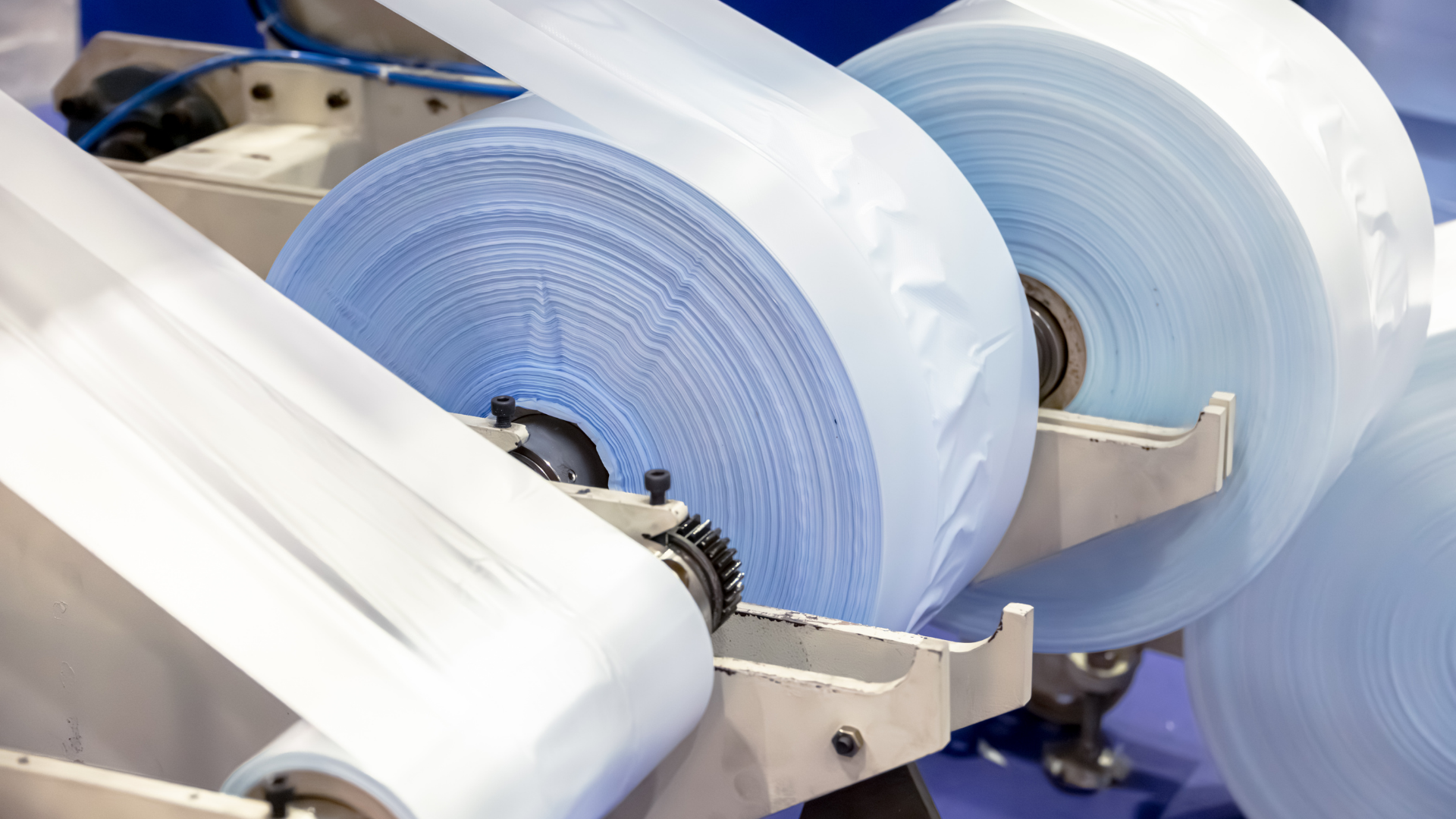
Plastic packaging remains one of the most widely used materials across industrial sectors in the United States. Its adaptability, cost efficiency, and protective performance make it essential for businesses managing large-scale production, storage, and distribution.
From manufacturing facilities to distribution centers, plastic packaging supports product safety, operational efficiency, and supply chain consistency. Its ability to be customized for different applications allows companies to standardize packaging processes across multiple product lines.
Protective Packaging in Manufacturing
Manufacturers rely heavily on plastic packaging to protect raw materials, components, and finished goods. During production and storage, products are exposed to dust, moisture, and physical damage.
Plastic packaging solutions such as shrink wrap, stretch film, and poly bags provide a protective barrier that helps maintain product integrity.
Common manufacturing uses include:
- wrapping industrial parts and components
- protecting sensitive equipment
- covering pallets during storage
- packaging finished goods for shipment
This level of protection reduces product loss and ensures consistent quality control.
Pallet Stabilization and Load Security
One of the most critical industrial uses of plastic packaging is pallet stabilization. Stretch film is widely used to secure goods on pallets, preventing movement during transportation.
In logistics and distribution environments, unstable loads can lead to:
- product damage
- shipment delays
- increased operational costs
Plastic stretch film tightly wraps palletized goods, creating a stable unit load that improves safety during handling and transit.
This application is especially important for:
- warehouse operations
- freight shipping
- third-party logistics providers
- retail distribution networks
Flexible Packaging for Storage and Distribution
Flexible plastic packaging plays a key role in storing and transporting products efficiently. Poly bags, liners, and protective covers are used to package a wide range of goods.
Industries that rely on flexible plastic packaging include:
- food production
- pharmaceuticals
- textiles
- electronics
- construction materials
Flexible packaging allows businesses to adapt packaging size and structure based on product requirements, reducing excess material usage and improving storage efficiency.
Food and Beverage Industry Applications
Plastic packaging is widely used in the food and beverage industry due to its ability to maintain hygiene and extend product shelf life.
Common applications include:
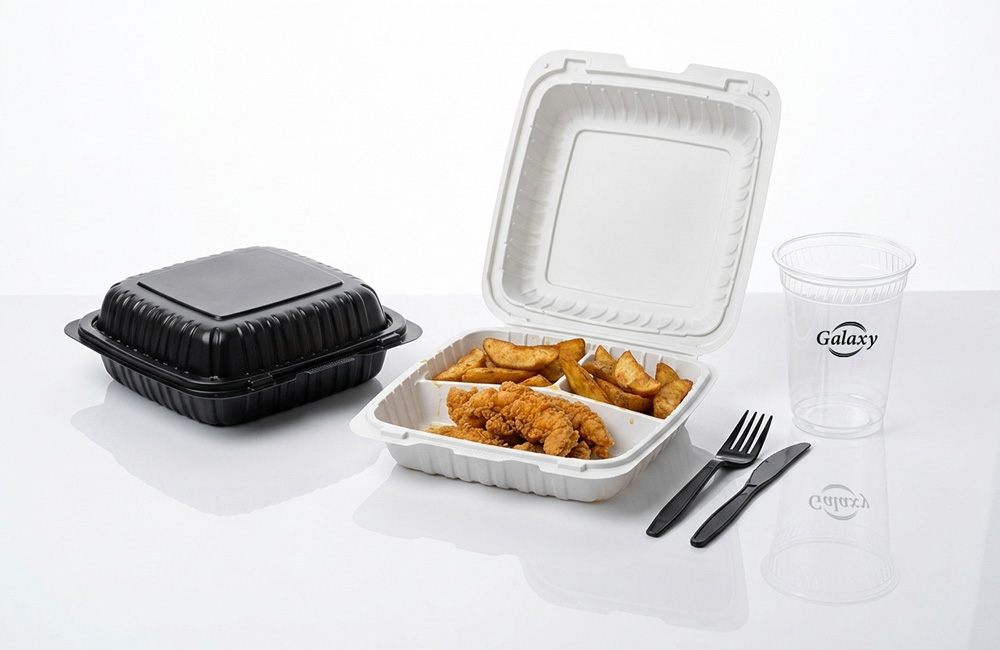
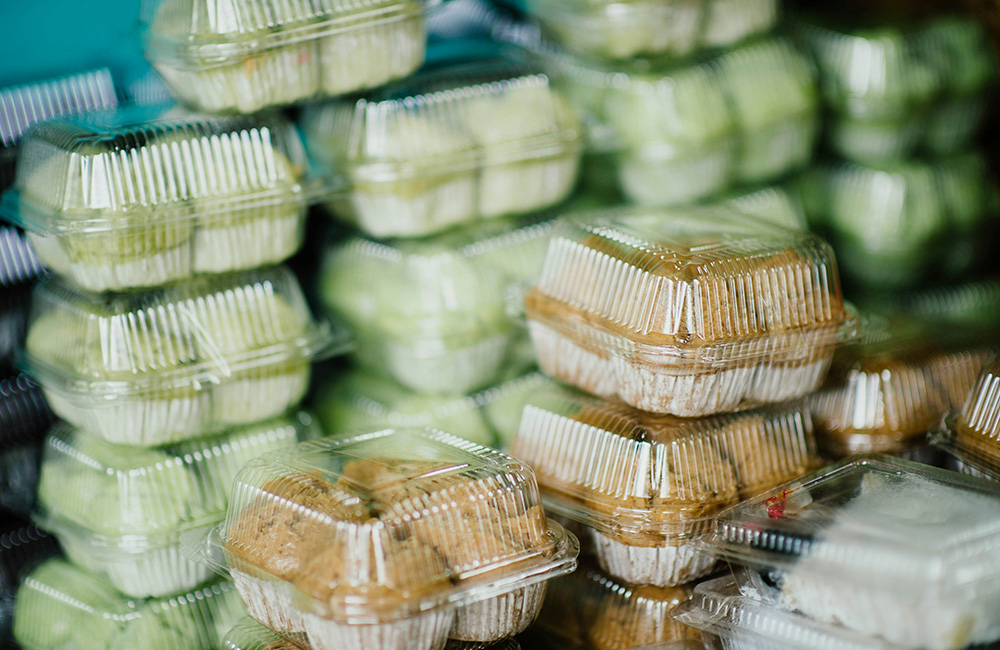
- food containers and trays
- vacuum packaging
- cling film for food wrapping
- beverage bottles and caps
Plastic packaging helps protect food from contamination, moisture, and air exposure, ensuring product safety throughout the supply chain.
For food manufacturers and distributors, this level of protection is essential for regulatory compliance and consumer safety.
E-Commerce and Retail Distribution
The growth of e-commerce has significantly increased the demand for reliable packaging solutions. Plastic packaging is commonly used to protect products during shipping and handling.
Examples include:
- poly mailers for shipping
- protective air pillows
- bubble wrap for fragile items
- tamper-evident packaging
These materials help ensure that products arrive in good condition while minimizing shipping weight and costs.
For online retailers, packaging performance directly impacts customer satisfaction and return rates.
Industrial Bulk Packaging Solutions
Plastic packaging is also used for bulk storage and transportation of industrial materials.
Heavy-duty plastic containers, drums, and liners are used for:
- chemicals and liquids
- powders and granules
- construction materials
- agricultural products
These packaging solutions provide durability and resistance to environmental factors, ensuring safe handling and storage.
Customization and Versatility
One of the biggest advantages of plastic packaging is its adaptability. Businesses can customize packaging based on:
- product dimensions
- weight requirements
- transportation conditions
- branding needs
Custom plastic packaging solutions help companies optimize their operations while maintaining product protection and presentation.
Sustainability Trends in Industrial Packaging
While plastic packaging offers many benefits, sustainability is becoming an increasingly important consideration for businesses.
Many companies are adopting:
- recyclable plastic materials
- reduced material thickness (downgauging)
- reusable packaging systems
These strategies help reduce environmental impact while maintaining packaging performance.