


Stretch film is one of the most effective packaging materials for securing palletized goods during storage and transportation. When applied correctly, it keeps products stable, minimizes movement, and helps protect shipments from dust, dirt, and moisture. However, even high-quality stretch film cannot perform properly if it is applied incorrectly.
Many packaging issues result from avoidable wrapping mistakes rather than problems with the film itself. Poor application can lead to damaged products, unstable pallets, increased material consumption, and higher operational costs. Understanding these common mistakes helps businesses improve packaging performance while creating a safer and more efficient warehouse operation.
Small improvements in wrapping techniques can make a significant difference throughout the supply chain.
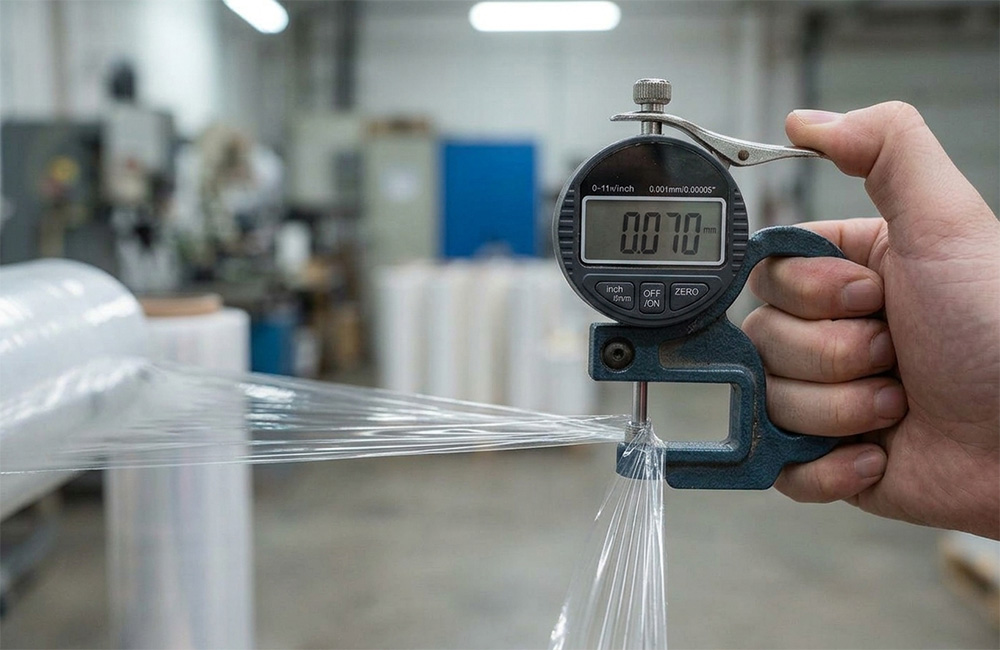
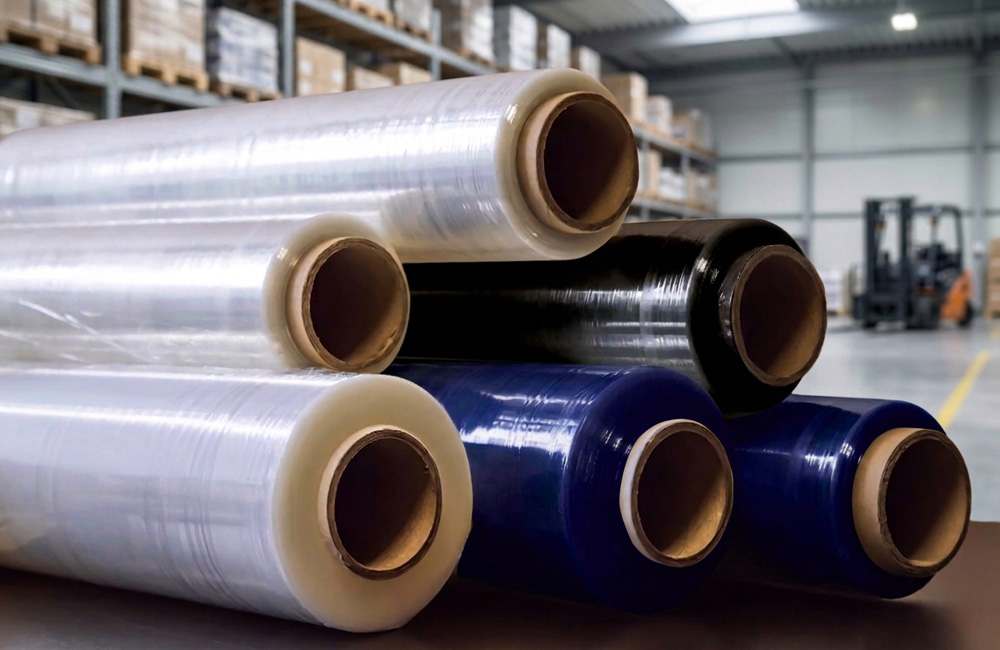
Using the Wrong Type of Stretch Film
Not every stretch film is suitable for every application.
Some businesses use lightweight film for heavy loads or select products that are not designed for their wrapping equipment. This can reduce load stability and increase the likelihood of punctures or tears during transportation.
Choosing the appropriate industrial stretch film for the size, weight, and shape of each load is the foundation of effective pallet protection.
Matching the film to the application improves overall performance.
Applying Too Little Film
One of the most common mistakes is using too few wraps around the pallet.
Insufficient film coverage may allow cartons to shift during transportation, especially when shipments experience vibration or repeated handling.
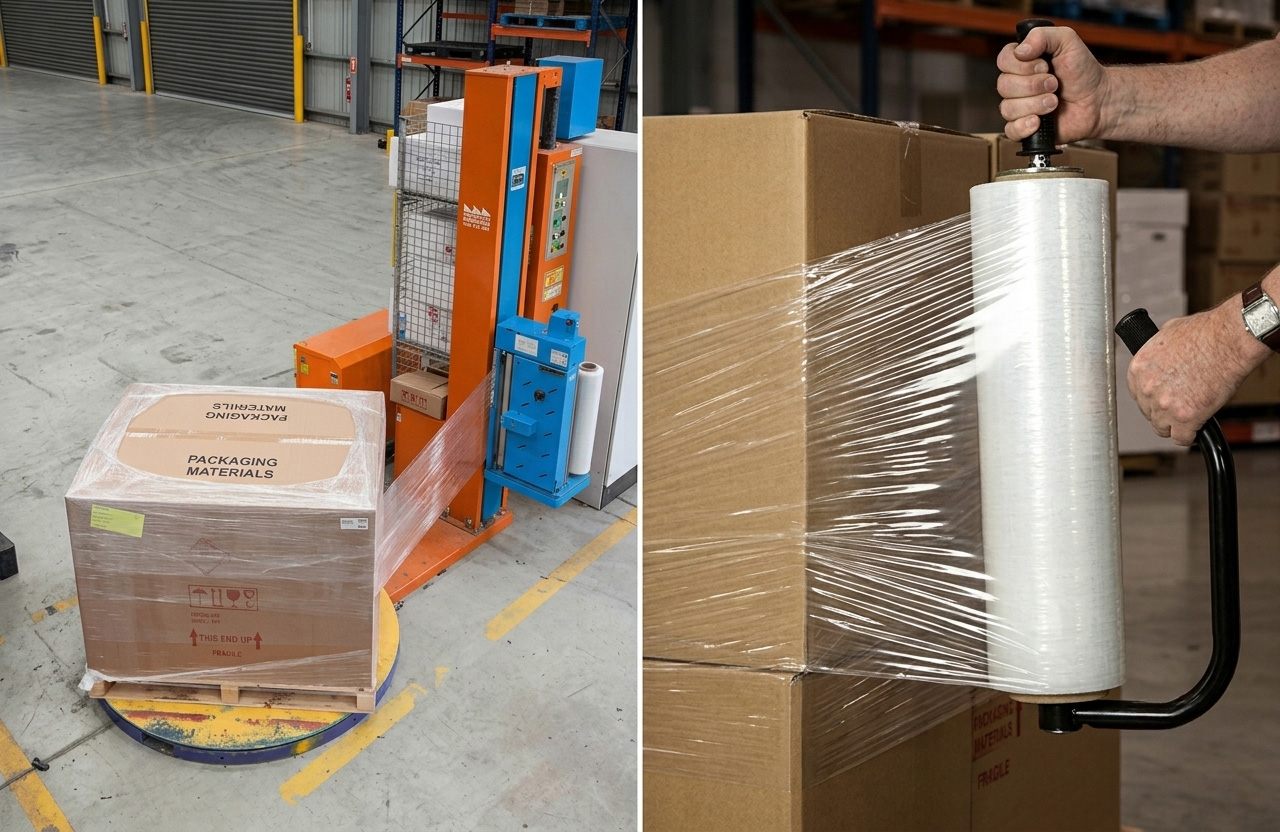
Proper load containment requires enough film to secure the entire pallet while distributing holding force evenly from the bottom to the top of the load.
Adequate coverage improves shipment stability without excessive material use.
Applying Excessive Film
Using more film than necessary does not always provide additional protection.
Excessive wrapping increases material consumption, slows packaging operations, and may create unnecessary waste. It can also increase packaging costs without improving shipment security.
The objective should be consistent and efficient wrapping rather than simply applying additional layers.
Optimized wrapping improves both performance and sustainability.
Failing to Secure the Base of the Pallet
The lower section of the pallet provides the foundation for the entire load.
If the film is not anchored securely around the pallet base, products may shift during lifting or transportation.
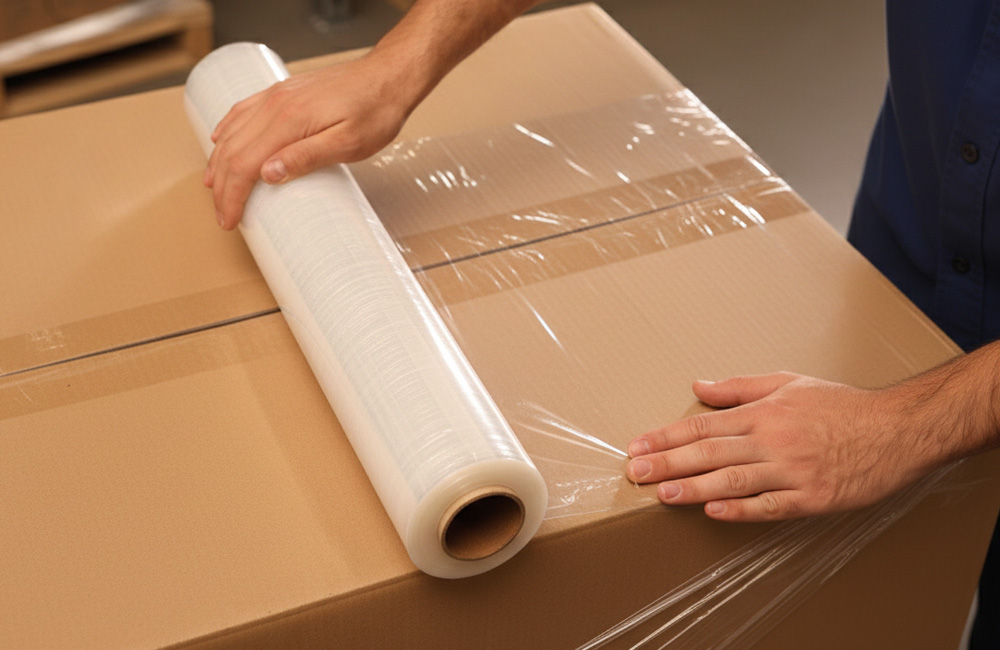
Beginning each wrap by firmly securing the film around the pallet helps create a stable foundation before additional layers are applied.
Strong load stability starts at the bottom.
Inconsistent Film Tension
Stretch film performs best when tension remains consistent throughout the wrapping process.
Film that is applied too loosely may not hold products securely, while excessive tension can damage lightweight cartons or deform certain packaged goods.
Following proper stretch wrap techniques helps maintain uniform pressure across the entire pallet while reducing the risk of product movement.
Consistency is more important than excessive force.
Ignoring Irregular Load Shapes
Not every pallet consists of perfectly stacked boxes.
Products with uneven surfaces, sharp corners, or varying dimensions require additional attention during wrapping. Applying film as though every load is identical may leave vulnerable areas exposed.
Evaluating pallet shape before wrapping helps determine whether extra reinforcement is needed to improve protection.
Every shipment should be assessed individually.
Skipping Equipment Maintenance
Businesses using automatic or semi-automatic wrapping equipment should perform regular maintenance.
Worn rollers, incorrect tension settings, or damaged components can reduce wrapping consistency and increase film waste.
Routine equipment inspections help maintain reliable packaging quality while reducing unexpected downtime.
Well-maintained machinery supports efficient warehouse operations.
Overlooking Employee Training
Even the best materials cannot compensate for poor application techniques.
Employees responsible for pallet wrapping should understand proper wrapping patterns, tension control, and film selection. Consistent training helps reduce errors while improving packaging quality across the entire operation.
Investing in employee knowledge often produces long-term improvements in packaging efficiency.
Skilled operators contribute to more reliable shipments.
Failing to Review Packaging Performance
Packaging processes should be evaluated regularly rather than remaining unchanged for years.
Businesses should monitor product damage rates, film consumption, shipment stability, and warehouse efficiency to identify opportunities for improvement.
Reviewing warehouse packaging procedures allows organizations to refine their operations as products, shipping methods, and production volumes evolve.
Continuous improvement helps maintain consistent packaging performance.
Improve Every Shipment With Better Wrapping Practices
Avoiding common stretch film wrapping mistakes helps businesses protect products, improve pallet stability, reduce unnecessary material usage, and create more efficient warehouse operations. Proper film selection, consistent application, and ongoing process evaluation all contribute to better shipping performance.
If your business is looking for industrial stretch film, expert guidance on stretch film best practices, or dependable packaging solutions for pallet protection, Galaxy Inc. provides high-quality stretch film products designed to improve warehouse efficiency and keep shipments secure throughout the supply chain.