


Plastic packaging has long been a cornerstone of industrial and retail operations due to its durability, flexibility, and cost efficiency. However, growing environmental concerns have pushed businesses to rethink how plastic is used—leading to the rise of recyclable plastic packaging solutions.
For companies operating in logistics, manufacturing, and retail, understanding recyclable plastic packaging is essential for balancing performance with sustainability. When used correctly, recyclable plastics can significantly reduce waste while maintaining the protective qualities that businesses rely
What Is Recyclable Plastic Packaging?
Recyclable plastic packaging refers to plastic materials that can be collected, processed, and reused to create new products. Unlike single-use plastics that end up in landfills, recyclable plastics are designed to re-enter the production cycle.
Common recyclable plastics include PET (polyethylene terephthalate), HDPE (high-density polyethylene), and LDPE (low-density polyethylene). These materials are widely used in packaging due to their strength and versatility.
Businesses sourcing industrial plastic packaging products often prioritize recyclable materials to align with sustainability goals without compromising functionality.

How Plastic Packaging Recycling Works
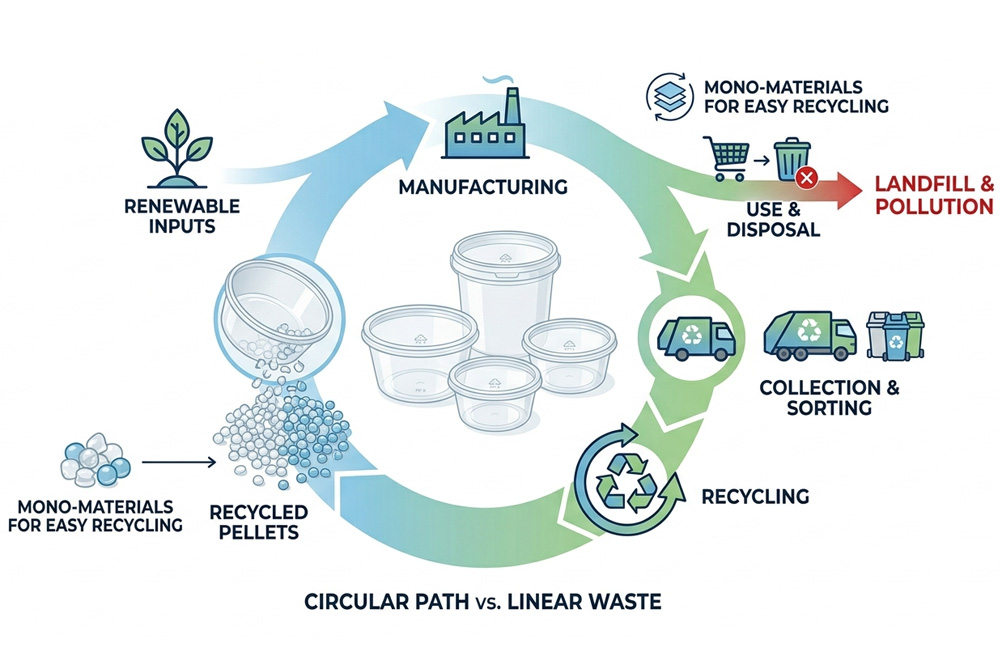
The recycling process for plastic packaging involves several stages, starting with collection and sorting. Materials are separated based on type, as different plastics require different processing methods.
Once sorted, plastics are cleaned to remove contaminants such as food residue or labels. The cleaned materials are then shredded into small pieces and melted down to form pellets. These pellets are used to manufacture new plastic products.
Efficiency in recycling depends heavily on proper sorting and material quality. Companies integrating recyclable plastics with solutions like bulk packaging solutions for industrial
Types of Recyclable Plastic Packaging
Recyclable plastic packaging comes in various forms, each suited for specific applications.
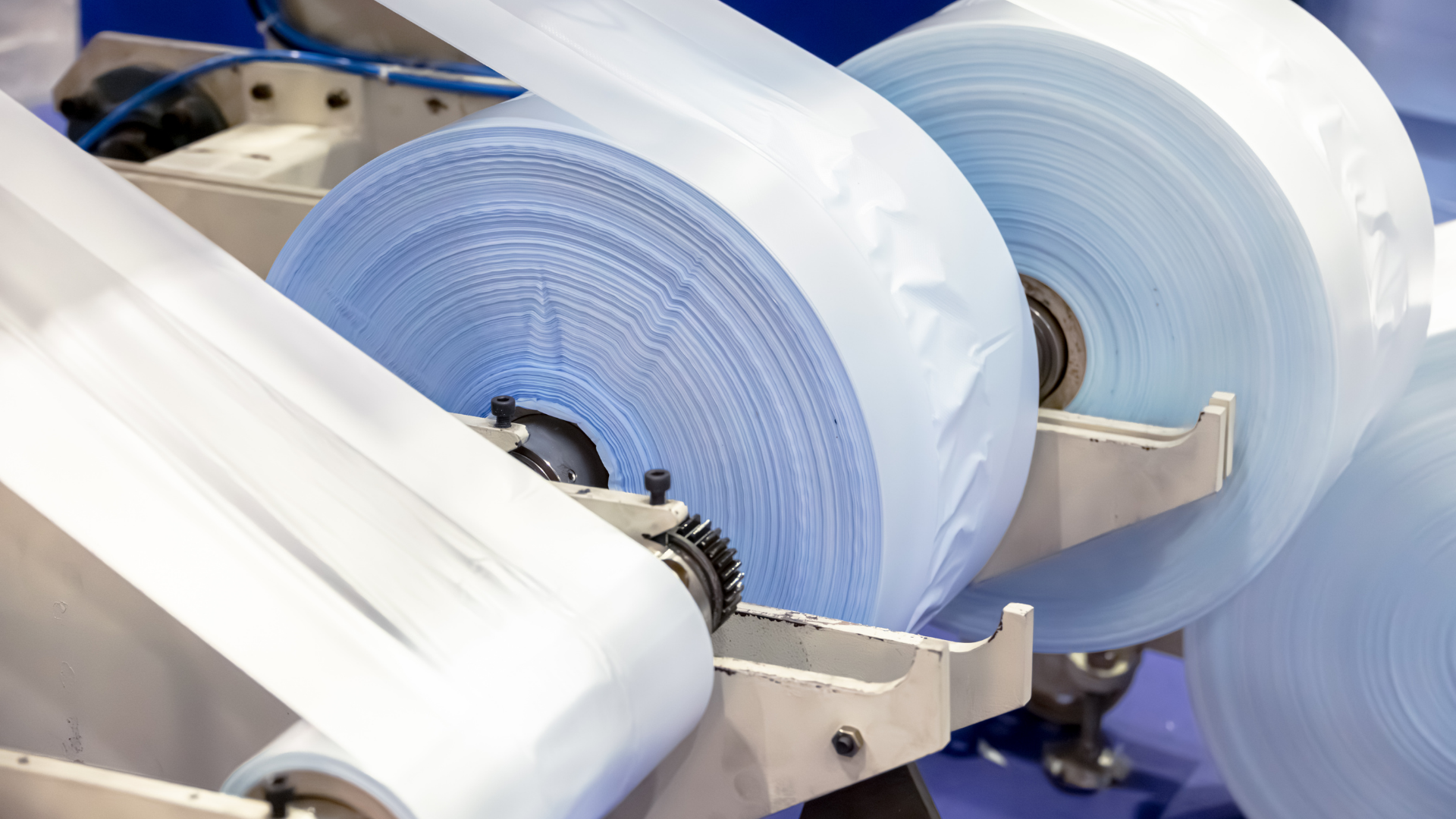
Flexible plastics, such as stretch film and plastic wraps, are commonly used in logistics to secure goods during transportation. These materials are lightweight and cost-effective but require specialized recycling processes.
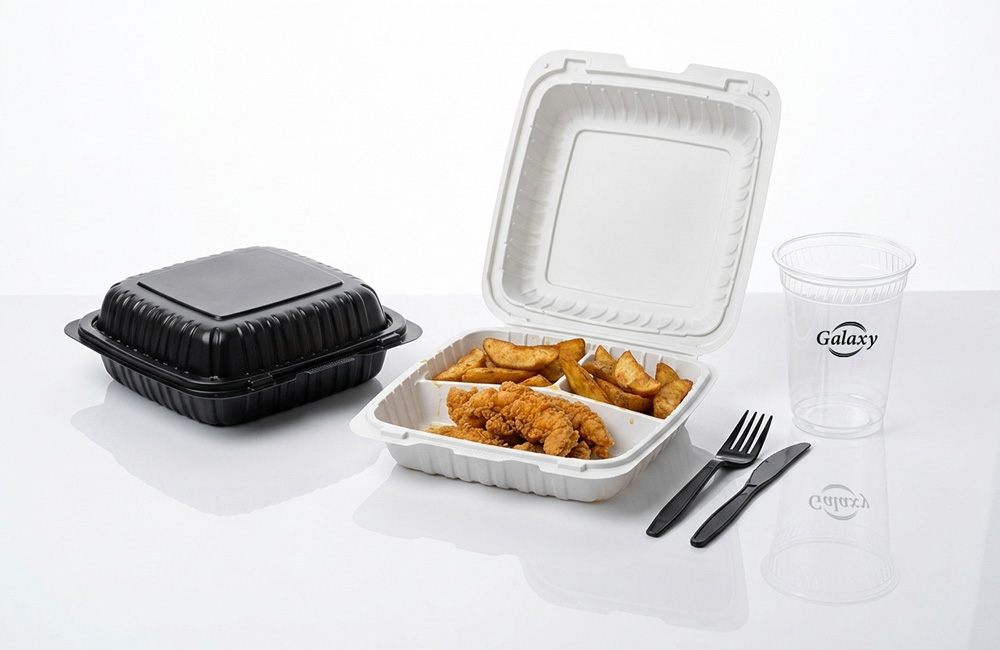
Rigid plastics, including containers and crates, are easier to recycle and often reused multiple times before processing. They provide strong protection for heavier products.
Many businesses combine these materials with stretch film packaging solutions to ensure load stability while maintaining recyclability where possible.

Benefits of Recyclable Plastic Packaging for Businesses
Recyclable plastic packaging offers several advantages that make it a practical choice for modern businesses.
One of the main benefits is waste reduction. By reusing materials, companies can minimize their environmental footprint and reduce landfill contributions.
Cost efficiency is another key advantage. Recycled plastics can lower raw material costs and support long-term savings, especially in large-scale operations.
Durability remains a major strength. Even when recycled, many plastic materials retain their protective qualities, making them suitable for industrial use.
Businesses looking to diversify their packaging strategy often integrate recyclable plastics with durable reusable shopping bags for businesses to optimize both sustainability and usability.
Challenges of Plastic Recycling
Despite its advantages, recyclable plastic packaging comes with challenges. Not all plastics are easily recyclable, and recycling infrastructure varies by region.
Contamination is a significant issue. Mixed materials or dirty packaging can reduce the quality of recycled plastic or make it unsuitable for processing.
Additionally, some flexible plastics require specialized facilities, which are not always widely available. This can limit recycling efficiency and increase costs.
Understanding these limitations helps businesses make more realistic and effective packaging decisions.
Recyclable Plastic vs Alternative Materials
Businesses often compare recyclable plastic with materials such as paper and aluminum to determine the best solution.
Paper packaging is biodegradable and widely recyclable, but it may lack the durability required for certain industrial applications.
Aluminum offers excellent recyclability and barrier protection but is typically more expensive.
Recyclable plastic provides a balance between cost, performance, and sustainability, making it a versatile option for many industries.
Companies working with a reusable shopping bags supplier USA often adopt a multi-material approach to optimize packaging across different use cases.
How to Choose the Right Recyclable Plastic Packaging
Selecting the right recyclable plastic packaging depends on several factors:
- Type of product being packaged
- Transportation and storage conditions
- Recycling infrastructure availability
- Cost and budget considerations
Businesses should also evaluate supplier capabilities to ensure consistent material quality and reliable delivery.
Working with experienced providers offering plastic products manufacturing solutions helps companies maintain efficiency while meeting sustainability targets.
Improving Sustainability with Smarter Plastic Use
Recyclable plastic packaging is most effective when used as part of a broader sustainability strategy. Businesses should focus not only on recyclability but also on reducing overall material usage and improving efficiency.
Optimizing packaging design, reducing excess material, and encouraging proper disposal all contribute to better environmental outcomes.
Combining recyclable plastics with reusable and alternative materials allows companies to create more balanced and effective packaging systems.
A More Practical Approach to Plastic Packaging
Recyclable plastic packaging is not a perfect solution, but it is a practical and scalable one for modern businesses. When managed correctly, it offers a balance between performance, cost efficiency, and environmental responsibility. Companies that understand how to use recyclable plastics strategically can improve their operations while moving toward more sustainable packaging practices.