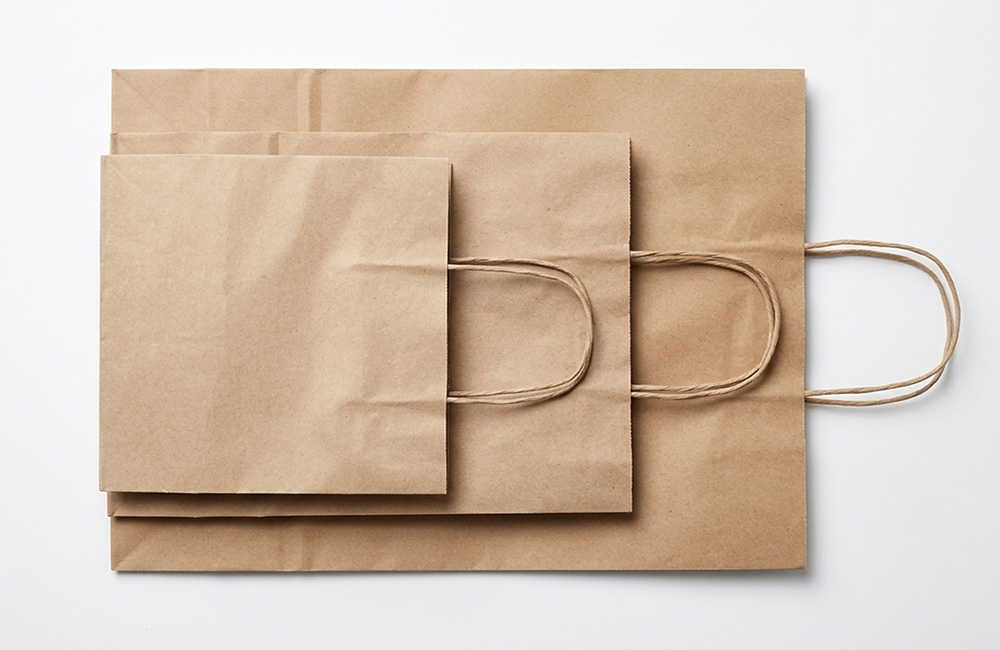




As sustainability becomes a key priority for modern businesses, understanding the recycling process of paper packaging is more important than ever. Companies across retail, logistics, and manufacturing sectors are increasingly adopting paper-based packaging solutions, not only for their functionality but also for their environmental benefits.
However, simply using paper packaging is not enough. To fully benefit from its sustainability potential, businesses must understand how recycling works, what factors affect recyclability, and how to optimize packaging choices accordingly. A well-informed approach can reduce waste, improve brand perception, and align operations with environmental standards.
What Is Paper Packaging Recycling?
Paper packaging recycling is the process of collecting, processing, and reusing paper materials to create new products. This includes items such as paper bags, cartons, and wrapping materials.
The goal of recycling is to reduce the need for virgin raw materials, conserve energy, and minimize environmental impact. Businesses sourcing bulk paper bags for retail packaging often prioritize recyclable materials to support sustainability goals and meet customer expectations.
Recycling paper packaging also contributes to a circular economy, where materials are reused instead of discarded.
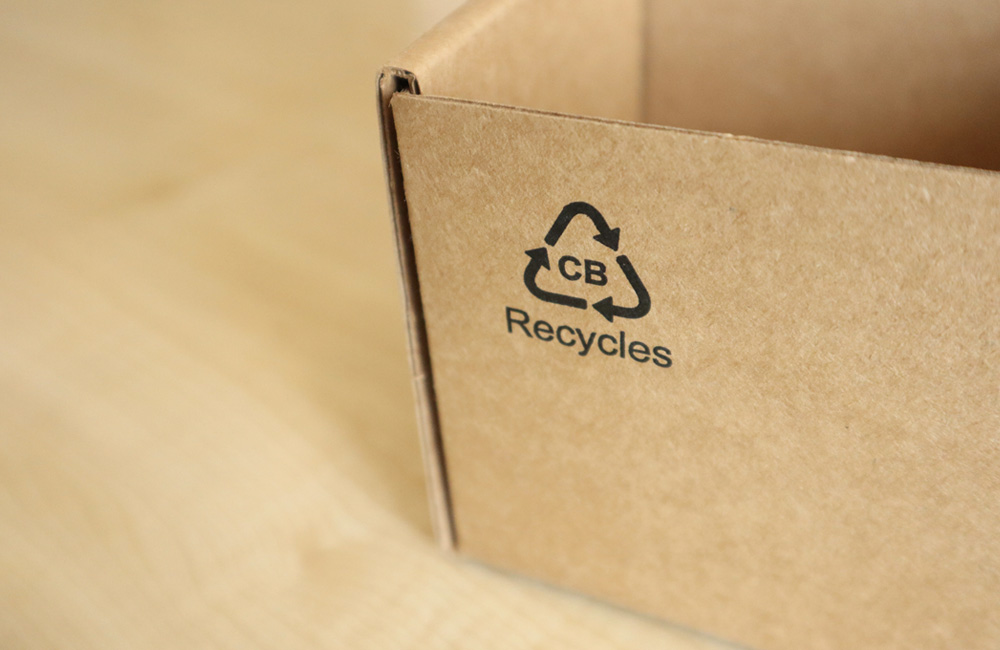
Step-by-Step Recycling Process of Paper Packaging
The recycling process involves several stages, each playing a critical role in transforming used paper into new products.
Collection and Sorting
The process begins with the collection of used paper packaging from households, businesses, and recycling centers. Materials are then sorted based on type and quality.
Proper sorting is essential because contaminated paper cannot be recycled effectively. Businesses that separate waste correctly improve recycling efficiency and reduce processing costs.
Pulping
After sorting, the paper is mixed with water and chemicals to break it down into fibers, creating a slurry known as pulp. This stage removes inks, adhesives, and other impurities.
The quality of the pulp determines the strength and usability of the recycled material. High-quality inputs result in stronger recycled paper products.
Cleaning and De-Inking
The pulp is further cleaned to remove remaining contaminants. De-inking processes eliminate printing inks and coatings, ensuring a clean base for new paper production.
This step is particularly important for businesses using printed packaging, as it affects the recyclability of materials.
Refining and Processing
The cleaned pulp is refined and processed to improve fiber bonding. It is then spread into thin layers, pressed, and dried to form new paper sheets.
These sheets can be used to produce various packaging products, including bags and cartons. Companies integrating recycled materials with alternatives like non woven reusable shopping bags can diversify their packaging strategies.
Manufacturing New Products
The final stage involves converting recycled paper into new packaging products. These may include paper bags, boxes, and other materials used across industries.
Recycled paper can be reused multiple times, although fiber quality gradually decreases with each cycle. This is why a balance between recycled and virgin materials is often necessary.
Factors That Affect Paper Recycling Efficiency
Not all paper packaging is equally recyclable. Several factors influence the efficiency of the recycling process.
Contamination is one of the biggest challenges. Food residue, grease, and moisture can make paper unsuitable for recycling. This is common in food service packaging.
Coatings and laminations also impact recyclability. Heavily coated paper may require additional processing or may not be recyclable in certain facilities.
Businesses aiming to improve sustainability often combine recyclable paper with durable reusable shopping bags for businesses to reduce reliance on single-use materials.
Benefits of Recycling Paper Packaging for Businesses
Recycling paper packaging offers multiple advantages for businesses.
First, it reduces environmental impact by lowering waste and conserving natural resources. This helps companies meet sustainability goals and comply with regulations.
Second, it improves brand perception. Customers are increasingly aware of environmental issues and prefer businesses that adopt responsible practices.
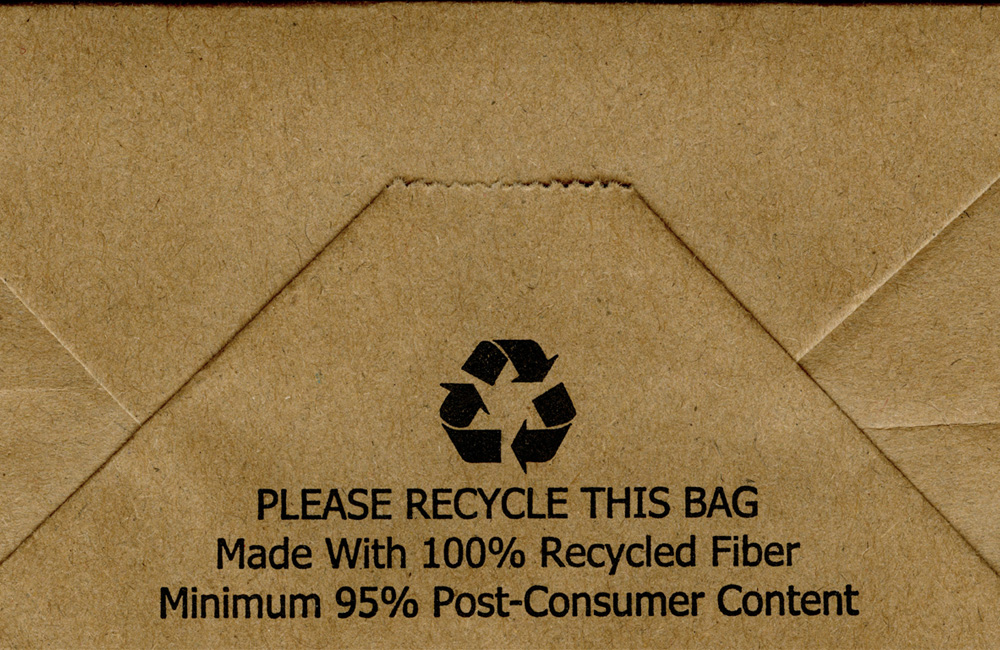
Third, it can lead to cost savings in the long term. Efficient waste management and recycling programs can reduce disposal costs and improve operational efficiency.
Companies working with a reusable shopping bags supplier USA often integrate recycling strategies into their overall packaging approach.
Paper Recycling vs Alternative Materials
While paper is widely recyclable, it is important to compare it with other packaging materials.
Plastic packaging is less biodegradable but can be more durable in certain applications. Reusable materials offer extended lifespans, reducing the need for frequent replacement.
Paper recycling provides a strong advantage in waste management, but its effectiveness depends on proper handling and infrastructure.
For this reason, many businesses adopt a multi-material strategy to optimize both performance and sustainability.
How Businesses Can Improve Recycling Outcomes
To maximize the benefits of paper packaging recycling, businesses should take a proactive approach.
Implementing proper waste segregation systems ensures that recyclable materials are not contaminated. Training employees and educating customers also plays a key role in improving recycling rates.
Choosing the right materials is equally important. Packaging that is easy to recycle and compatible with existing systems delivers better results.
Working with experienced suppliers helps businesses align their packaging choices with sustainability goals while maintaining operational efficiency.
Building a More Sustainable Packaging Strategy
Understanding the recycling process of paper packaging allows businesses to make smarter decisions about their materials and operations. By focusing on recyclability, reducing contamination, and integrating reusable solutions, companies can create a more efficient and environmentally responsible packaging system that supports long-term growth.