


For businesses involved in logistics, warehousing, and manufacturing, stretch film plays a crucial role in securing palletized goods. However, one of the most common challenges companies face is accurately calculating stretch film consumption. Without a clear understanding of usage, businesses may either overspend on materials or risk insufficient load protection.
Optimizing stretch film consumption is not just about cost control it directly impacts operational efficiency, product safety, and supply chain performance. By learning how to calculate usage correctly, businesses can reduce waste, improve load stability, and make more informed.
What Is Stretch Film Consumption?
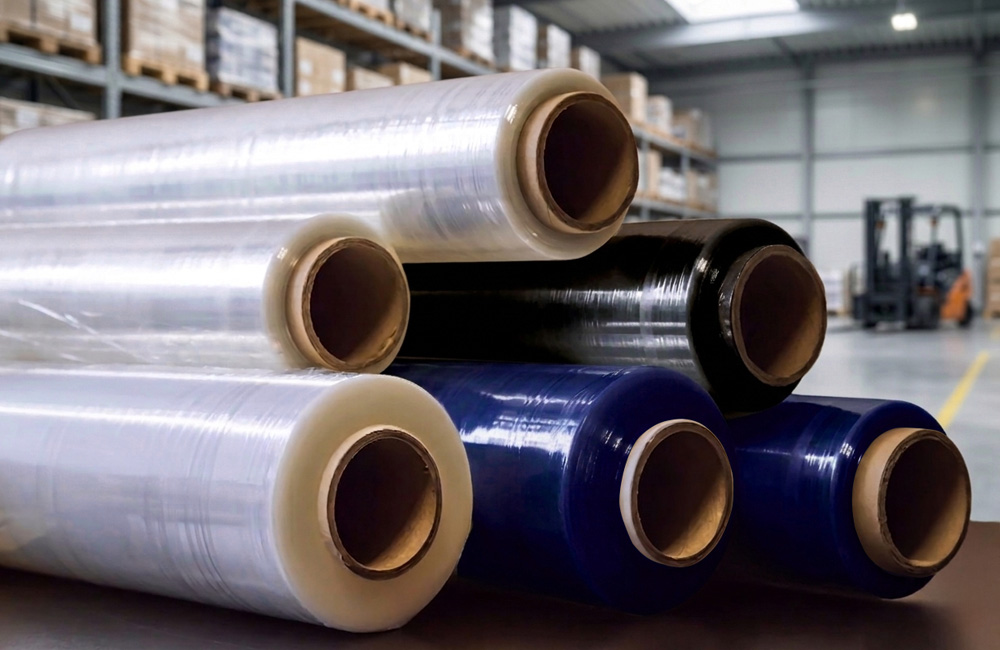
Stretch film consumption refers to the amount of film used to wrap and secure a pallet or load. It is typically measured in weight (kg), length (meters), or cost per pallet.
Several variables influence consumption, including film thickness, pallet size, wrapping technique, and machine settings. Businesses using stretch film packaging solutions must consider all these factors to achieve accurate calculations.
Understanding consumption helps companies standardize operations and maintain consistency across shipments.
Key Factors That Affect Stretch Film Usage
Stretch film usage is not fixed—it varies depending on operational conditions. One of the main factors is pallet size. Larger pallets require more film, while irregular loads may need additional layers for stability.
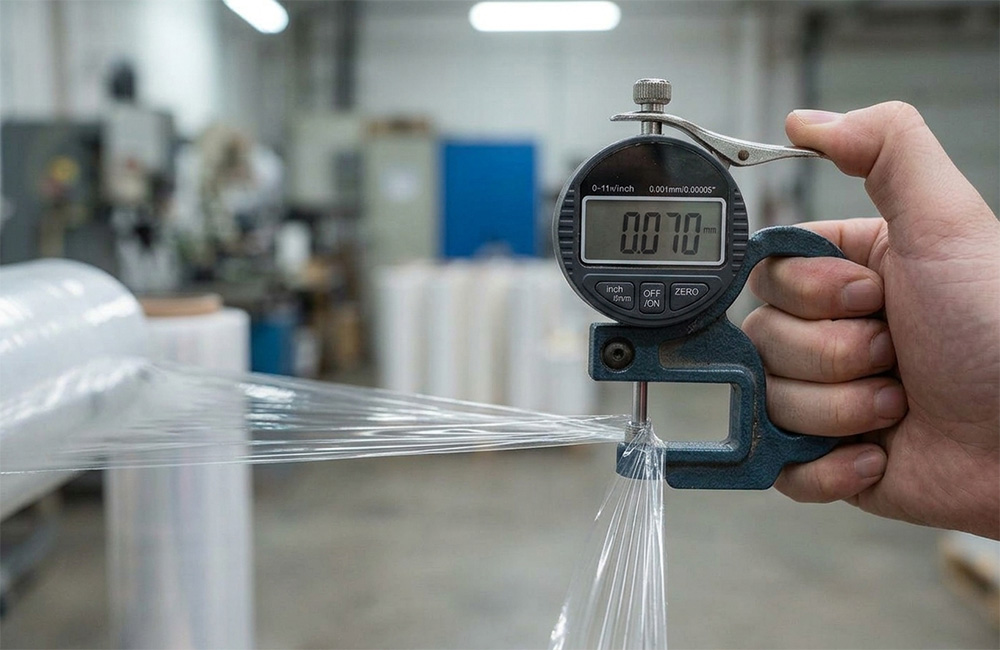
Film thickness, usually measured in microns, also plays a significant role. Thicker films provide greater strength but increase material usage. On the other hand, thinner films reduce cost but may require more wraps.
Pre-stretch levels are another important factor. Machines that stretch the film before application can significantly reduce consumption while maintaining load security.
Businesses often compare these variables when working with industrial plastic packaging products to optimize both performance and cost.
Basic Formula for Calculating Stretch Film Consumption
To calculate stretch film consumption, businesses can use a simple formula based on pallet dimensions and wrapping parameters.
Step 1: Calculate Pallet Perimeter
Perimeter = (Length + Width) × 2
Step 2: Determine Number of Wraps
This depends on load stability requirements (typically 3–5 layers)
Step 3: Calculate Film Usage per Layer
Film per layer = Pallet perimeter × number of wraps
Step 4: Multiply by Total Layers
Total film usage = Film per layer × total layers
This gives an estimate of film length used per pallet. To convert this into weight, businesses must consider film thickness and density.
Machine vs Manual Wrapping Differences
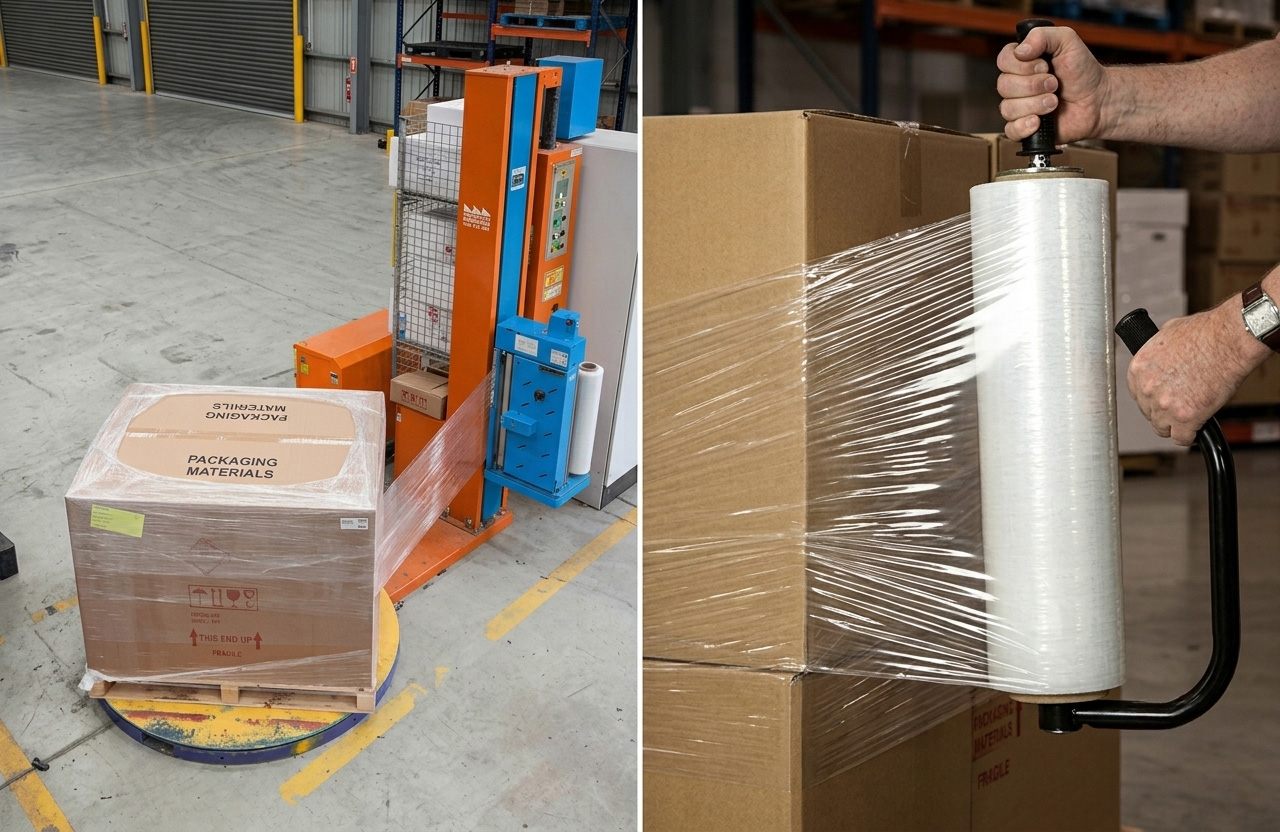
Stretch film consumption varies significantly between manual and machine applications.
Manual wrapping typically results in higher material usage due to inconsistent tension and lack of pre-stretch capability. Workers may apply more film than necessary to ensure load stability.
Machine wrapping, on the other hand, offers greater control and efficiency. Automated systems apply consistent tension and can pre-stretch the film, reducing overall consumption.
Companies aiming to improve efficiency often integrate automated systems alongside bulk packaging solutions for industrial shipping to standardize their operations.
How Pre-Stretch Technology Reduces Consumption
Pre-stretch technology is one of the most effective ways to optimize stretch film usage. It allows the film to be stretched before it is applied to the load, increasing its coverage while using less material.
For example, a 200% pre-stretch means that one meter of film becomes three meters during application. This significantly reduces the amount of film required per pallet.
Businesses that adopt pre-stretch systems can achieve substantial cost savings while maintaining or even improving load stability.
Cost Calculation per Pallet
Understanding consumption is only part of the equation—businesses also need to calculate cost per pallet.
To do this:
- Determine the cost per roll of stretch film
- Calculate total meters per roll
- Divide cost by total meters to find cost per meter
- Multiply by meters used per pallet
This provides a clear cost-per-pallet metric, allowing businesses to compare different film options and optimize purchasing decisions.
Working with a reliable supplier offering stretch film supplier for wholesale distribution ensures consistent pricing and quality, which is essential for accurate cost calculations.
Common Mistakes in Stretch Film Calculation
Many businesses make errors when estimating stretch film consumption, leading to unnecessary costs or inefficiencies.
One common mistake is ignoring pre-stretch capability. Without accounting for it, calculations can significantly overestimate usage.
Another issue is inconsistent wrapping practices. Variations in technique can lead to inaccurate consumption data and higher material waste.
Some companies also focus only on film price rather than total cost per pallet, which can result in poor decision-making.
Avoiding these mistakes requires a structured approach and regular monitoring of packaging processes.
Improving Efficiency in Stretch Film Usage
Optimizing stretch film consumption is an ongoing process. Businesses should regularly evaluate their packaging operations to identify areas for improvement.
Standardizing wrapping procedures, training staff, and investing in efficient equipment can all contribute to better results. Monitoring usage data also helps companies detect inefficiencies and adjust their strategies accordingly.
In many cases, combining stretch film with other solutions like durable reusable shopping bags for businesses can further enhance overall packaging efficiency across different stages of the supply chain.
Smarter Packaging Starts with Accurate Calculation
Accurately calculating stretch film consumption allows businesses to take control of their packaging operations. By understanding the factors that influence usage and applying the right formulas, companies can reduce costs, minimize waste, and improve load security. A data-driven approach to packaging not only enhances efficiency but also strengthens overall supply chain performance.