

Retail packaging plays a crucial role in both product protection and brand presentation. Among the many packaging options available today, paper bags remain one of the most widely used solutions in retail stores, supermarkets, boutiques, and takeaway businesses across the United States.
Paper bags offer several advantages: they are practical, cost‑effective, recyclable, and highly customizable for branding. For retailers, selecting the right type of paper bag can improve customer convenience, enhance brand perception, and support sustainable packaging goals.
However, not all paper bags are designed for the same purpose. Different structures, handle types, and materials are used depending on the product weight, store type, and customer experience a business wants to deliver.
In this guide, we explore the most common types of paper bags used in retail and explain how businesses choose the right option for their packaging needs.
Flat Handle Paper Bags
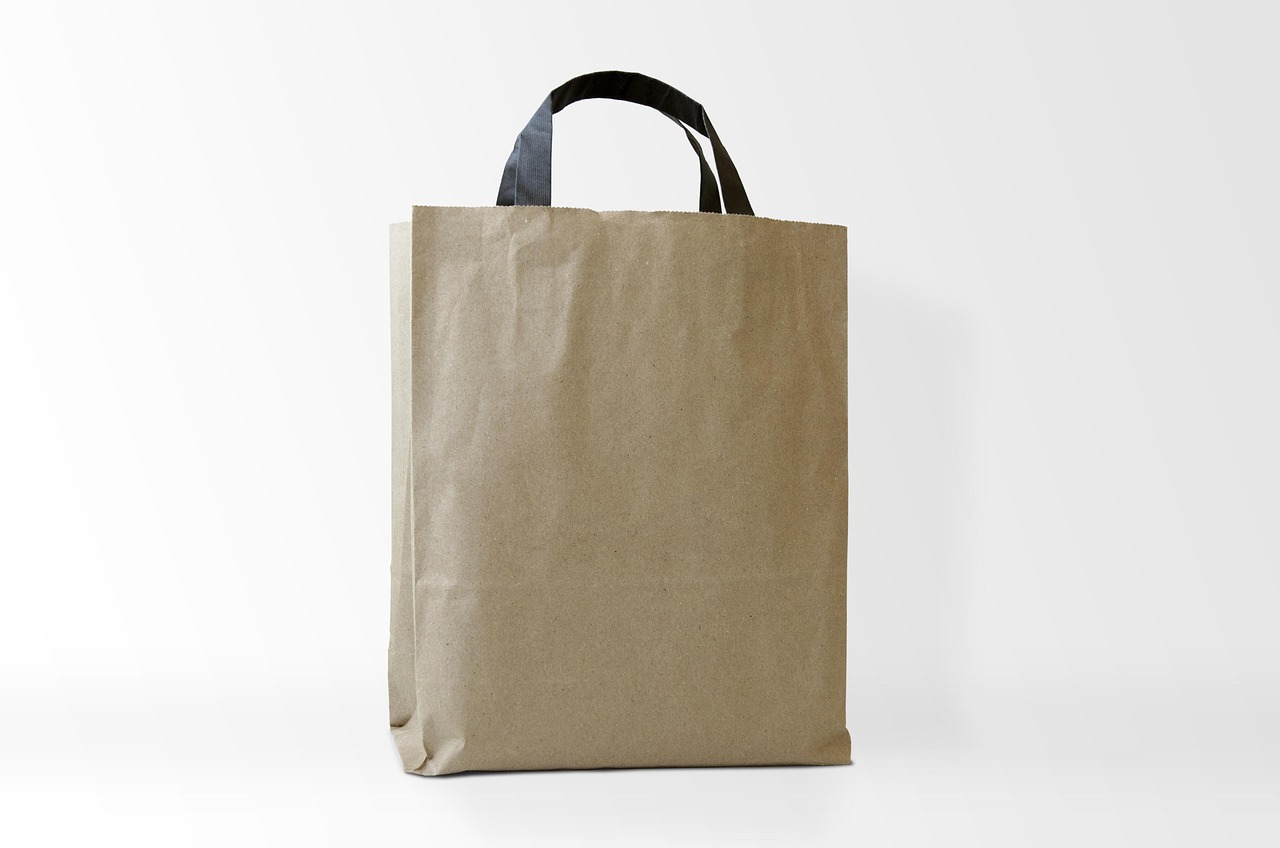
Flat handle paper bags are one of the most common types used in retail and food service environments.
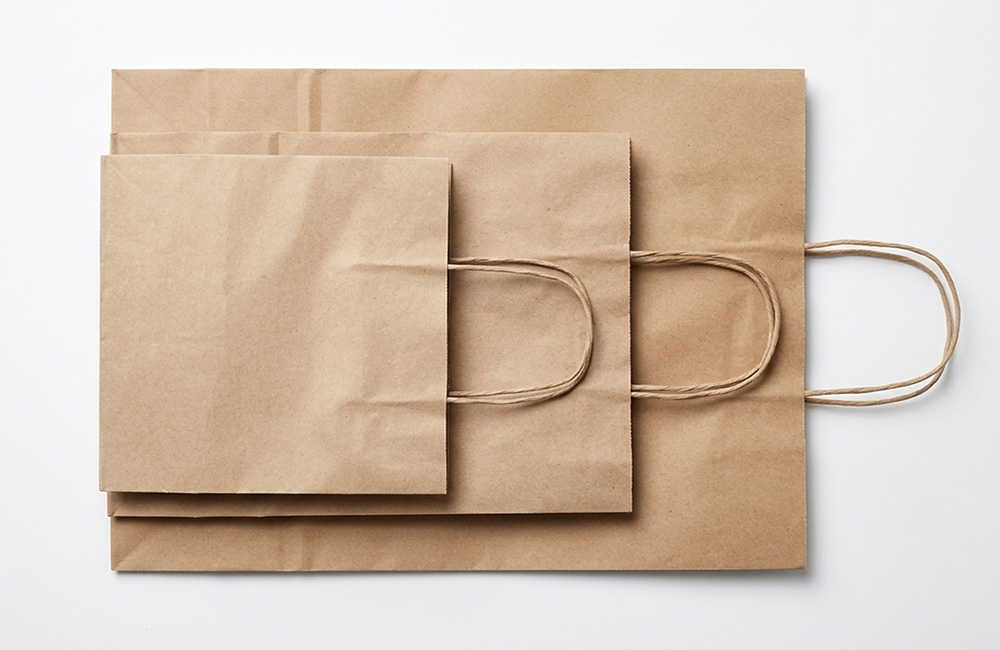
These bags feature paper handles that are folded and glued inside the bag, creating a lightweight yet functional carrying solution.
Common Uses in Retail
Flat handle bags are widely used in:
• grocery stores
• bakeries
• pharmacies
• takeaway restaurants
• small retail shops
Because they are easy to stack and distribute, flat handle paper bags are ideal for high‑volume retail environments.
Key Advantages
Flat handle bags offer several benefits:
• cost‑effective production
• easy storage and stacking
• suitable for lightweight to medium products
• recyclable and environmentally friendly
They are especially popular in grocery retail where speed and convenience are important at checkout counters.
Twisted Handle Paper Bags
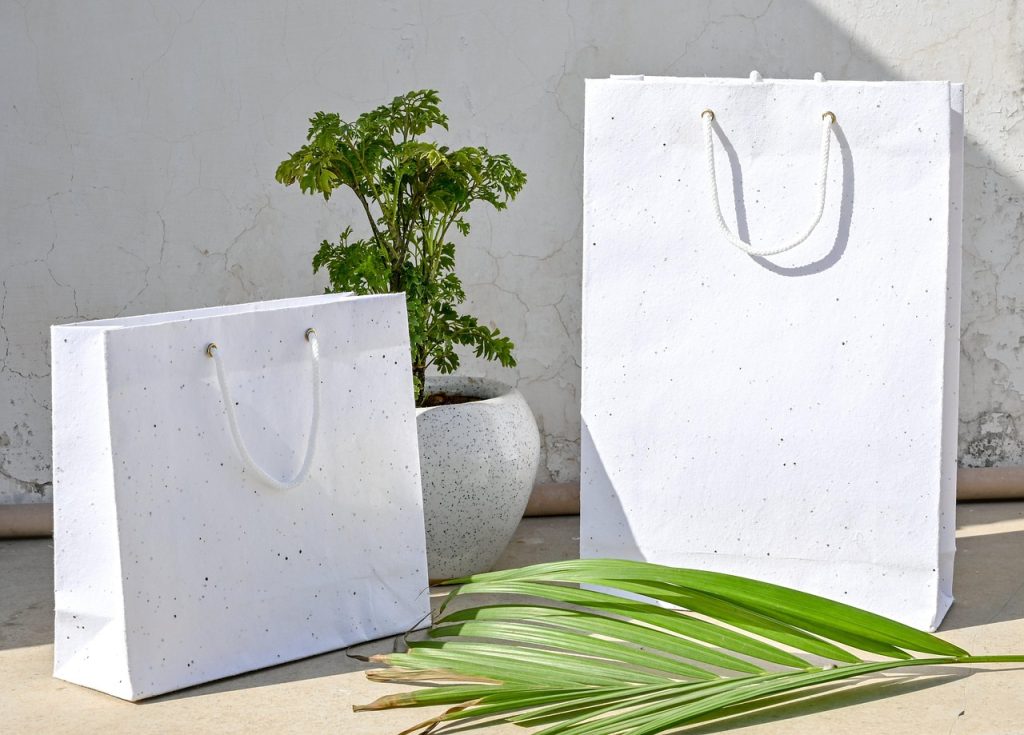
Twisted handle paper bags are commonly used in fashion retail and boutique stores. The handles are made from twisted paper cords, which provide stronger grip and a more premium appearance.
Compared to flat handle bags, twisted handle bags are designed to carry heavier items while maintaining a polished retail presentation.
Common Retail Applications
Twisted handle bags are frequently used by:
• clothing stores
• gift shops
• cosmetic retailers
• bookstores
• specialty retail stores
These bags often feature printed branding, making them an effective marketing tool.
Why Retailers Choose Twisted Handle Bags
Retailers prefer twisted handle bags because they offer:
• stronger carrying capacity
• improved customer comfort
• premium packaging appearance
• excellent print quality for branding
Because customers often reuse these bags, they can also extend brand exposure beyond the store.
Die‑Cut Handle Paper Bags
Die‑cut handle bags feature handles that are cut directly into the bag structure. In many cases, reinforcement patches are added around the handle area to increase strength.
This type of bag offers a clean, modern appearance and is often used for lightweight retail packaging.
Typical Retail Uses
Die‑cut paper bags are commonly used for:
• promotional packaging
• event giveaways
• accessory stores
• cosmetic products
• lightweight merchandise
They are especially popular in retail environments where aesthetic presentation is important.
Advantages of Die‑Cut Handle Bags
Businesses often choose die‑cut handle bags because they provide:
• a sleek, minimal design
• cost‑efficient production
• lightweight packaging solution
• compact storage
These bags are particularly useful for promotional campaigns and seasonal retail packaging.
SOS Paper Bags
SOS paper bags, also known as self‑opening square bags, are widely used in grocery and food service packaging.
Their flat bottom structure allows the bag to stand upright, making it easier for employees to pack products quickly.
Retail and Food Applications
SOS bags are commonly used in:
• grocery stores
• bakeries
• coffee shops
• fast food restaurants
• deli counters
Because they open easily and remain stable on counters, they support fast checkout and food packing operations.
Key Benefits
SOS bags provide several operational advantages:
• quick packing at checkout counters
• stable base for food packaging
• cost‑effective production
• high‑volume retail suitability
For food retailers, they remain one of the most practical packaging formats.
Paper Bags with Window
Paper bags with transparent windows are commonly used for products that benefit from visibility.
The window panel allows customers to see the product inside without opening the package.
Retail Uses
Window paper bags are popular for:
• bakery products
• snacks and cookies
• coffee beans
• confectionery items
• organic grocery products
Product visibility can increase consumer trust and improve purchasing decisions.
Advantages for Retailers
These bags help retailers:
• display products clearly
• improve shelf presentation
• protect food items while maintaining visibility
• create attractive packaging displays
They are particularly common in bakeries and specialty food stores.
How Retailers Choose the Right Paper Bag
Selecting the right paper bag depends on several operational factors.
Retail businesses typically evaluate:
Product Weight
Heavier products require reinforced bags or stronger handle designs.
Store Type
Luxury boutiques often choose premium twisted handle bags, while grocery stores prefer practical flat handle or SOS bags.
Branding Needs
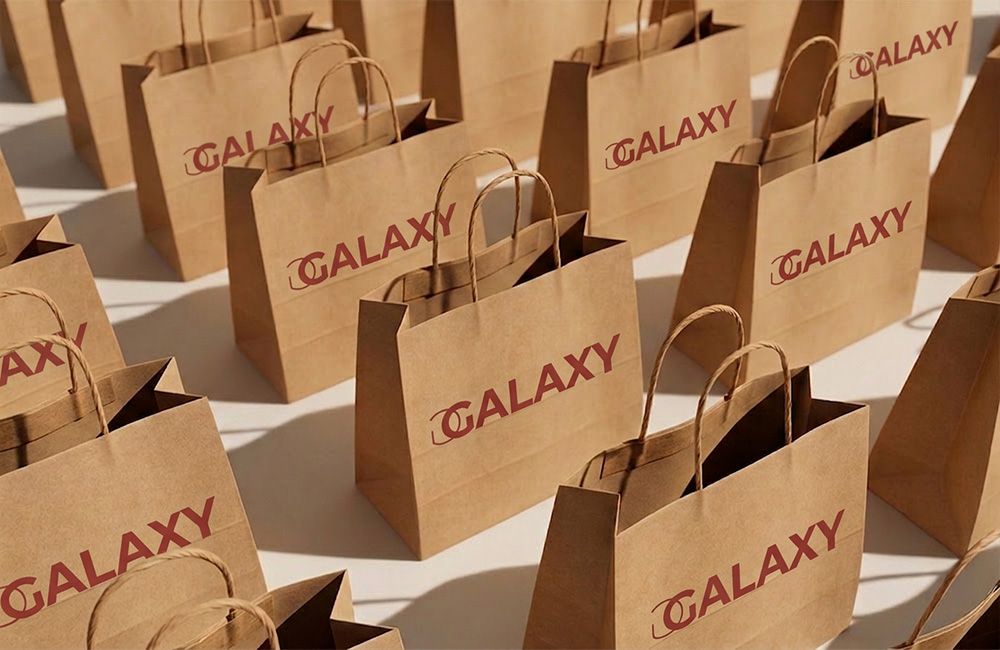
Printed paper bags can significantly increase brand visibility and customer recognition.
Sustainability Goals
Many retailers now prioritize recyclable or responsibly sourced paper packaging to meet consumer expectations.
Choosing the correct bag type helps businesses balance functionality, branding, and cost efficiency.
The Role of Paper Bags in Retail Branding
Beyond functionality, paper bags serve as an extension of a retailer’s brand identity.
When customers carry branded paper bags in public spaces such as malls, streets, or public transportation, the packaging becomes a mobile advertisement.
Well‑designed paper bags can:
• strengthen brand recognition
• improve perceived product value
• create a more memorable shopping experience
• encourage repeat customer engagement
For many retailers, packaging is no longer just a necessity—it is part of the marketing strategy.