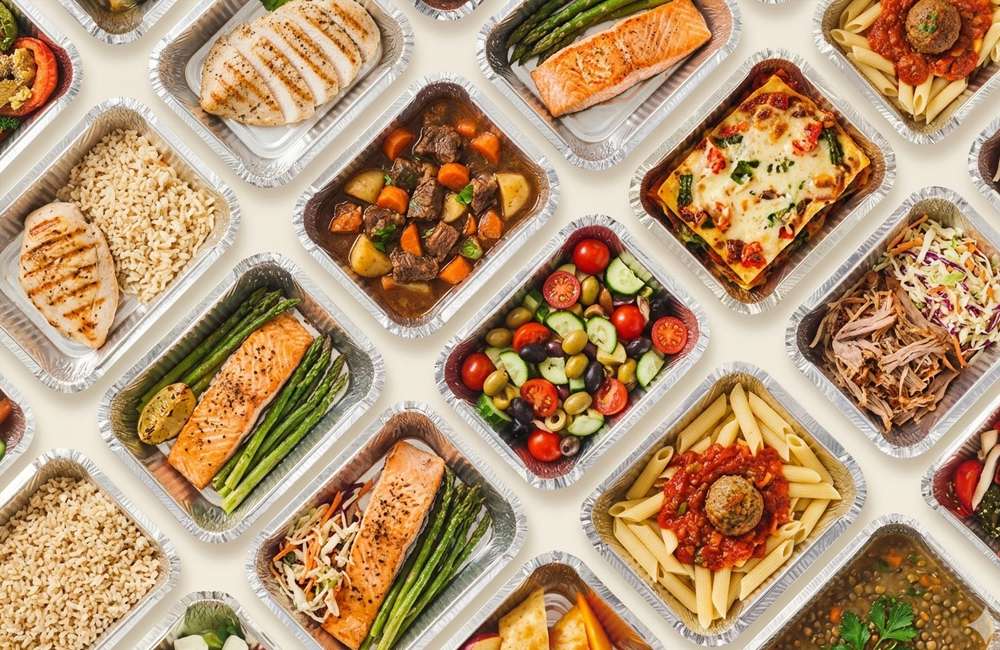




In professional kitchens, reliability and performance are essential. Heavy duty aluminum foil is widely used across restaurants, catering services, and food production facilities for cooking, storage, and food protection.
Compared to standard household foil, commercial‑grade foil offers increased thickness and durability, making it suitable for demanding food service environments.
Enhanced Strength and Tear Resistance
Heavy duty foil is designed to withstand high‑temperature cooking, wrapping large portions, and covering deep containers without tearing. This makes it ideal for:
- Roasting and grilling
- Covering steam table pans
- Wrapping bulk ingredients
- Protecting food during transport
Its durability reduces waste and improves handling efficiency during busy service periods.
Heat Distribution and Cooking Performance
Aluminum’s excellent thermal conductivity allows heat to distribute evenly across food surfaces. This supports consistent cooking results and helps prevent overcooking or drying.
Commercial kitchens use heavy duty foil for:
- Oven baking and roasting
- BBQ and grilling applications
- Holding hot food
- Preventing surface browning when needed
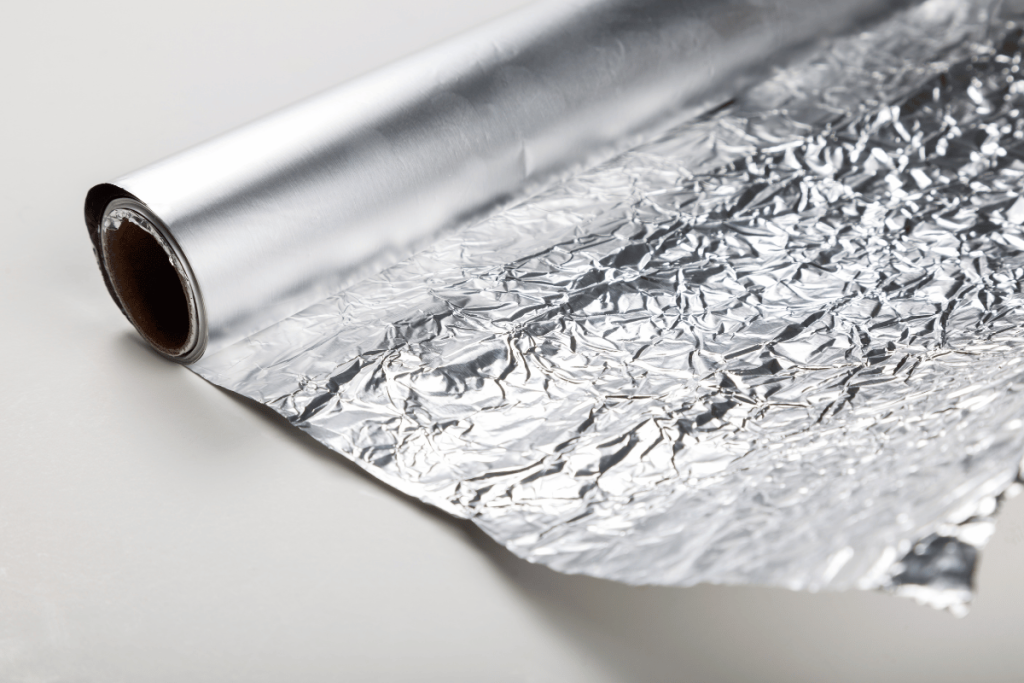
Food Safety and Contamination Control
Foil acts as a protective barrier against airborne contaminants, moisture loss, and flavor transfer. Covering prepared food helps maintain hygiene standards and supports food safety compliance.
For catering and large‑scale production, this barrier protection is essential for maintaining product quality during storage and transportation.
Operational Efficiency in High‑Volume Environments
Heavy duty aluminum foil supports workflow efficiency by offering:
- Easy dispensing from large rolls
- Flexible shaping for different containers
- Space‑efficient storage
- Quick wrapping for high‑speed operations
These features help reduce preparation time and improve kitchen productivity.
Cost Control and Waste Reduction
Although thicker than standard foil, heavy duty aluminum reduces tearing and double‑layer usage. This results in lower material waste and better cost control over time.
For high‑volume operations, durability translates directly into operational savings.
Sustainability and Recycling
Like other aluminum products, commercial foil is recyclable where facilities exist. Businesses that separate clean aluminum waste can support recycling programs and reduce landfill impact.
Conclusion
Heavy duty aluminum foil is a practical and essential tool for commercial kitchens. Its strength, heat performance, and protective properties help food service businesses maintain quality, efficiency, and operational consistency.