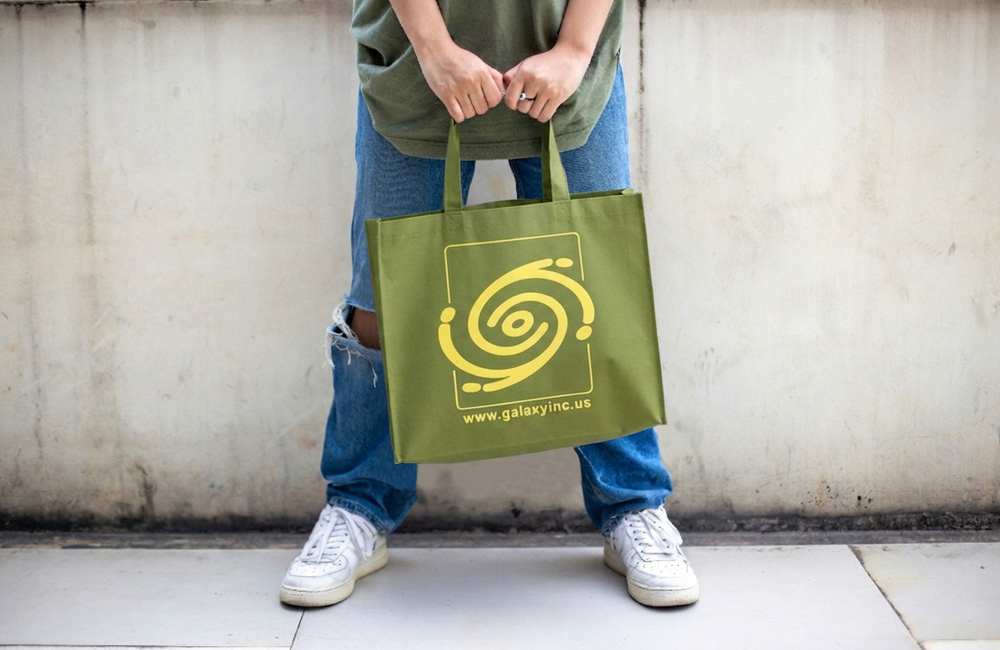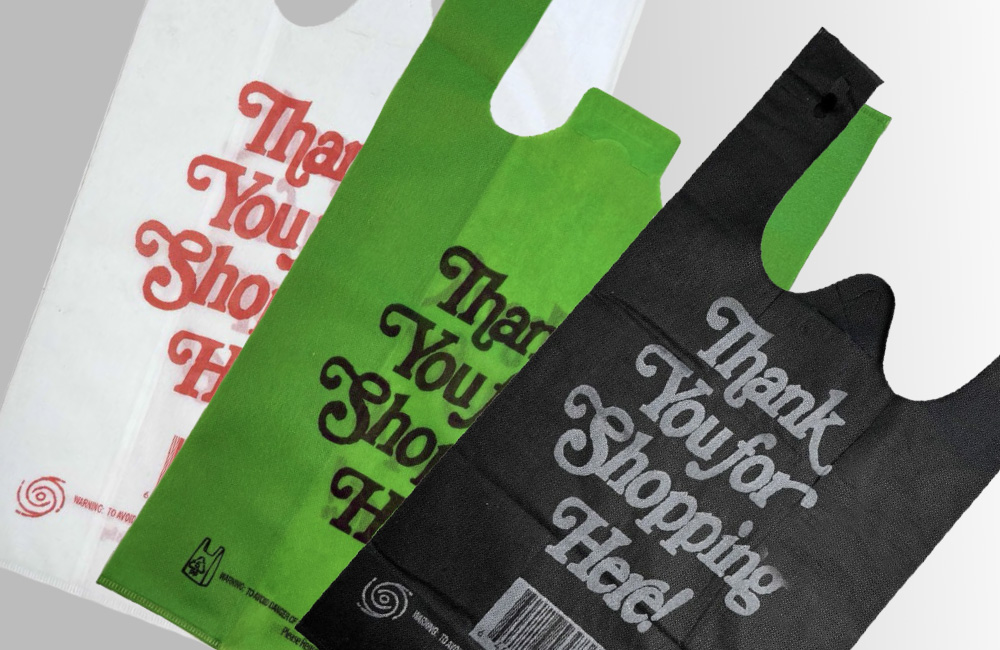



Retail packaging has evolved far beyond simply carrying products from the checkout counter to a customer’s car. Today, reusable bags have become an important extension of a brand, offering practical value while creating lasting impressions. Whether you’re operating a boutique, supermarket, gift shop, or specialty retail business, selecting the right reusable bag can improve customer experience, strengthen brand recognition, and support long-term marketing efforts.
The challenge isn’t deciding whether to use reusable bags—it’s choosing the right type for your business. Material, durability, print quality, size, and intended use all play a role in determining which option best aligns with your products and customer expectations. By understanding these factors, retailers can invest in packaging that continues delivering value long after the initial purchase.
Why Reusable Bags Matter in Modern Retail
Reusable bags have become a familiar part of the shopping experience across many industries. Customers appreciate receiving packaging they can use again, while businesses benefit from continued brand exposure every time those bags are carried in public.
Unlike disposable packaging, reusable bags remain in circulation for months or even years. A customer who uses the same bag for weekly shopping, errands, or travel repeatedly encounters your logo and brand identity. This repeated exposure helps build familiarity, which is one of the key drivers of customer loyalty.
For retailers, reusable bags represent an opportunity to combine functionality with marketing in a way that traditional packaging cannot.
Consider How Customers Will Use the Bag
One of the first questions retailers should ask is how customers are likely to use the bag after leaving the store.
A fashion boutique may prioritize an attractive design that complements premium products, while a grocery store requires stronger construction capable of carrying heavier items. Gift shops often prefer medium-sized bags with high-quality printing, whereas trade shows may call for lightweight bags that attendees can comfortably carry throughout the event.
Understanding how customers interact with the bag helps determine the ideal size, handle style, and material.
Selecting reusable bags that match real-world usage increases the likelihood that customers will continue using them, extending your brand’s visibility.
Choosing the Right Material
Material selection is one of the most important decisions when ordering reusable bags. Different materials offer different advantages depending on the intended application.
Non-woven polypropylene is widely used because it is lightweight, durable, and provides an excellent surface for high-quality printing. Cotton offers a more natural appearance and is often chosen by premium retailers looking for a classic aesthetic. Laminated reusable bags provide additional durability and moisture resistance, making them suitable for grocery stores and businesses handling heavier products.
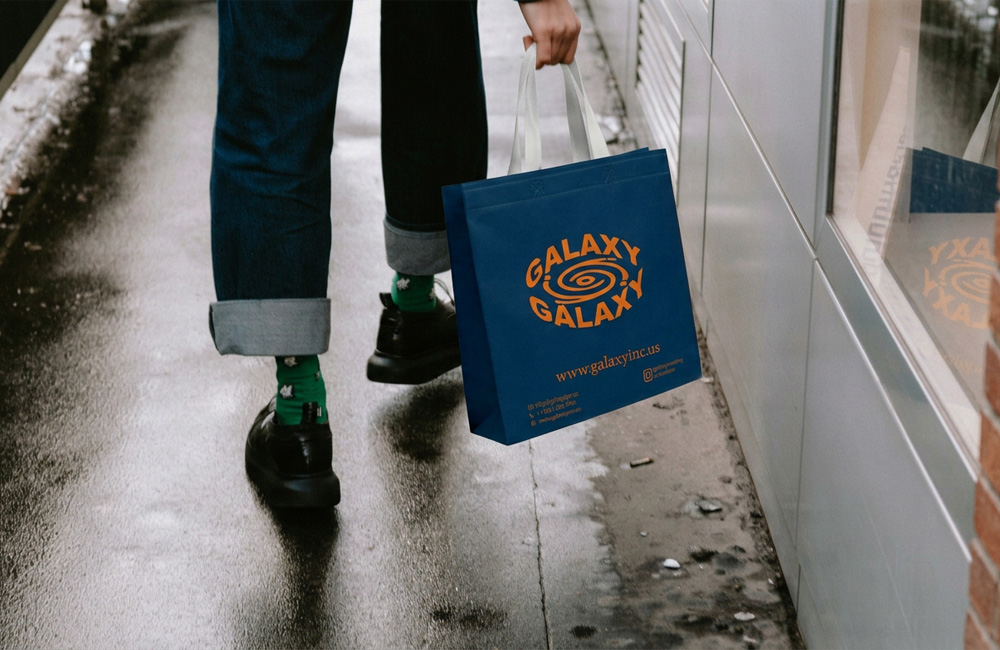
Many retailers choose non woven bags because they balance durability, appearance, and print quality, making them suitable for everyday retail use.
The best material depends on your products, customer expectations, and how frequently the bag is expected to be reused.
Size and Capacity Should Match Your Products
A reusable bag should comfortably accommodate the products customers purchase without being unnecessarily oversized.
Small retail items such as cosmetics, accessories, and gifts require compact bags that are easy to carry. Clothing retailers often prefer medium or large bags with reinforced handles, while grocery stores generally need larger capacities capable of supporting heavier loads.
Oversized bags may appear wasteful for smaller purchases, while undersized bags can create frustration and reduce the overall customer experience.
Matching bag dimensions to typical purchase sizes creates a more practical and professional presentation.
Custom Printing Enhances Brand Recognition
A reusable bag serves as a moving advertisement every time it’s used. That makes print quality just as important as the bag itself.
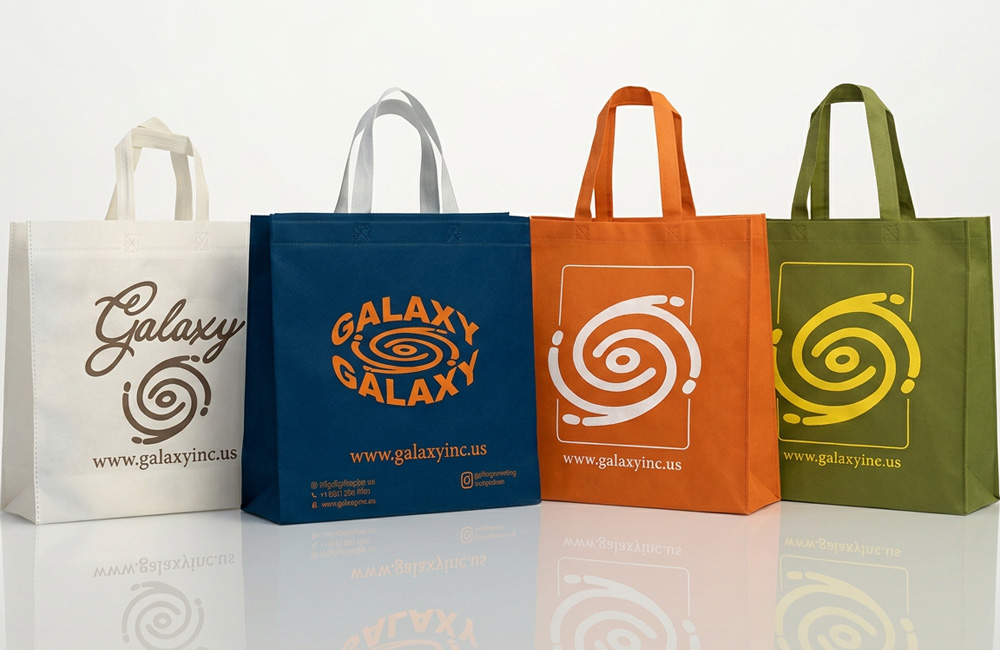
A clean logo, consistent brand colors, and a simple design often have a greater impact than overcrowded graphics. Effective branding should remain clear and recognizable from a distance while maintaining a professional appearance.
Businesses investing in custom printed reusable bags create packaging that supports long-term brand recognition and reinforces a consistent visual identity across every customer interaction.
High-quality printing also helps ensure the design remains attractive after repeated use.
Handle Design Affects Customer Experience
While often overlooked, handle design has a direct impact on usability.
Soft, reinforced handles improve carrying comfort, particularly when customers purchase heavier products. Longer handles make bags easier to carry over the shoulder, while shorter handles may be more appropriate for lightweight retail purchases.
A comfortable carrying experience encourages customers to reuse the bag more frequently, increasing both convenience and brand exposure.
Small design details like handle strength and stitching quality contribute significantly to how customers perceive the overall quality of the packaging.
Think Beyond the Initial Purchase
Reusable bags continue representing your business well after customers leave your store. Because of this, they should reflect your overall brand values rather than simply function as product packaging.
Businesses often incorporate reusable bags into seasonal promotions, loyalty programs, product launches, and special events. Limited-edition designs or branded collections can encourage customers to keep and reuse the bags rather than discard them.
Retailers that view packaging as part of their broader marketing strategy often achieve stronger brand recall and higher customer engagement.
Pairing reusable bags with other custom packaging solutions helps create a consistent experience across every customer touchpoint.
Durability Matters More Than Appearance Alone
An attractive bag quickly loses its value if it tears after only a few uses.
Construction quality, stitching, material thickness, and reinforced seams all influence how long a reusable bag remains functional. Durable bags create positive customer experiences because they continue serving a practical purpose.
Customers naturally associate durable packaging with reliable products and professional businesses. Investing in quality materials supports both customer satisfaction and brand reputation.
The goal is to provide packaging that customers want to keep rather than replace.
Finding the Right Manufacturing Partner
The quality of reusable bags depends not only on design but also on the capabilities of the manufacturer.
A reliable supplier should offer consistent material quality, dependable production processes, customization options, and clear communication throughout the ordering process. Reviewing samples, evaluating print quality, and discussing production standards before placing large orders can help avoid future issues.
Working with experienced manufacturers also makes it easier to develop custom reusable bags that align with your branding goals while meeting your operational requirements.
Choosing the right supplier creates consistency across future orders and supports long-term packaging strategies.
Retail packaging plays a significant role in shaping customer experiences, and reusable bags have become one of the most effective ways to extend your brand beyond the point of sale. By selecting the right materials, sizes, printing methods, and manufacturing partner, retailers can create packaging that customers continue using long after their purchase. If you’re looking for reliable, custom packaging solutions tailored to your business, explore Galaxy Inc.’s range of reusable bags, paper bags, plastic packaging, aluminum products, and other packaging solutions designed to support modern retail brands.