


For businesses that rely on paper packaging, understanding material specifications is essential for making the right purchasing decisions. One of the most critical yet often overlooked factors is GSM, or grams per square meter. This measurement directly impacts the durability, load capacity, and overall performance of paper bags.
Whether you operate in retail, food service, or wholesale distribution, choosing the correct GSM can prevent product damage, improve customer satisfaction, and optimize packaging costs. Paper bags are not just about appearance—they must perform reliably under real-world conditions.
What Is GSM in Paper Bags?
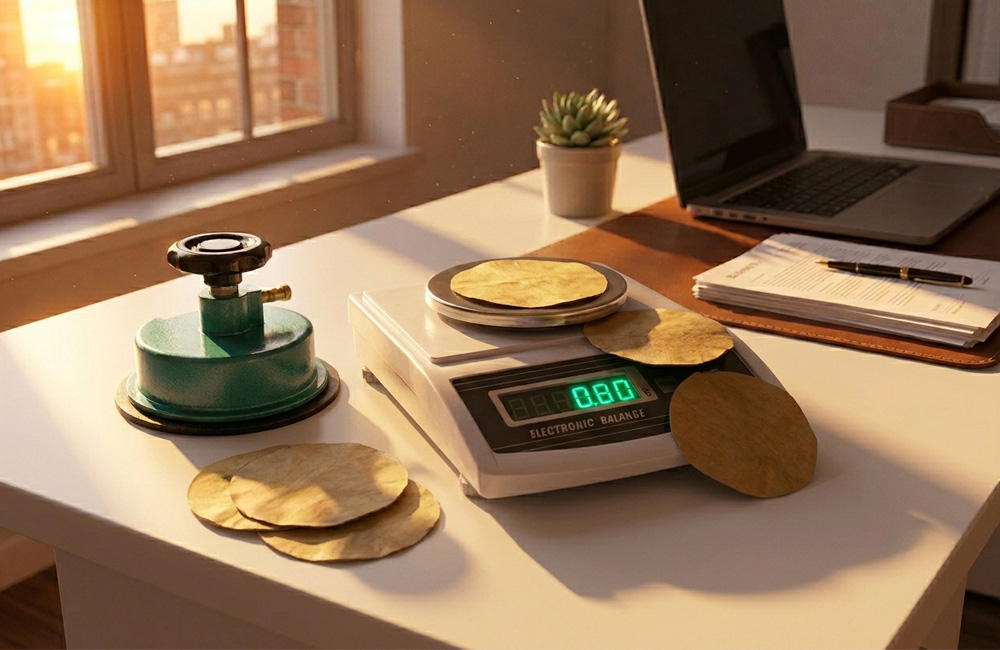
GSM stands for grams per square meter and refers to the weight of the paper used in manufacturing a bag. It is a standard measurement across the packaging industry and is widely used to determine paper thickness and strength.
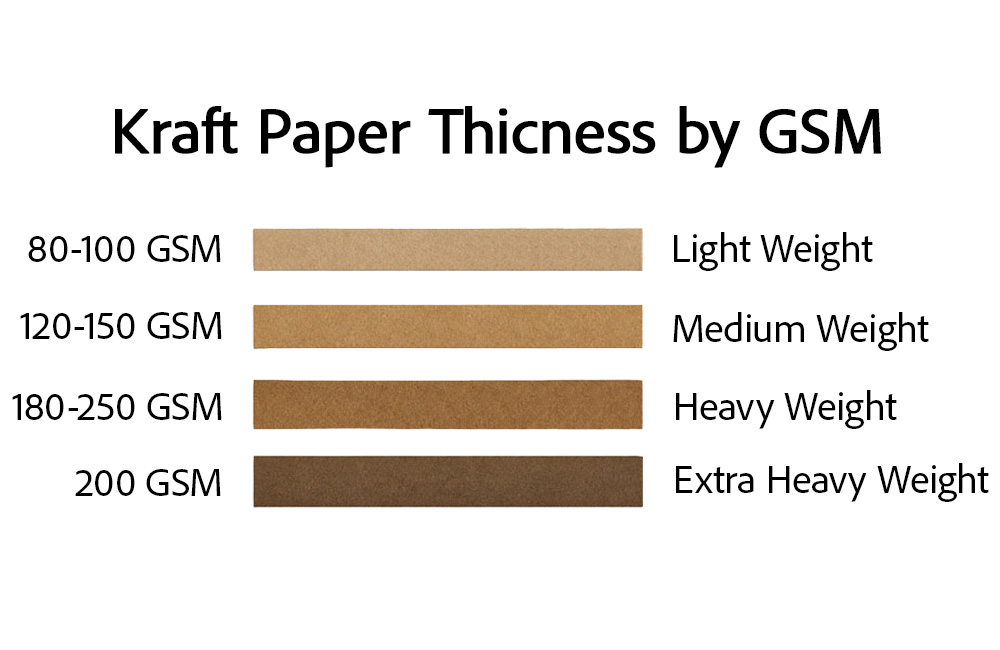
Lower GSM values indicate thinner and lighter paper, while higher GSM values represent thicker and more durable material. For example, a 70 GSM paper bag will feel significantly lighter and less rigid than a 150 GSM bag.
Understanding GSM helps businesses align packaging with product requirements. Companies sourcing bulk paper bags for retail packaging often evaluate GSM carefully to ensure consistency and performance across large orders.
Why GSM Matters for Strength and Durability
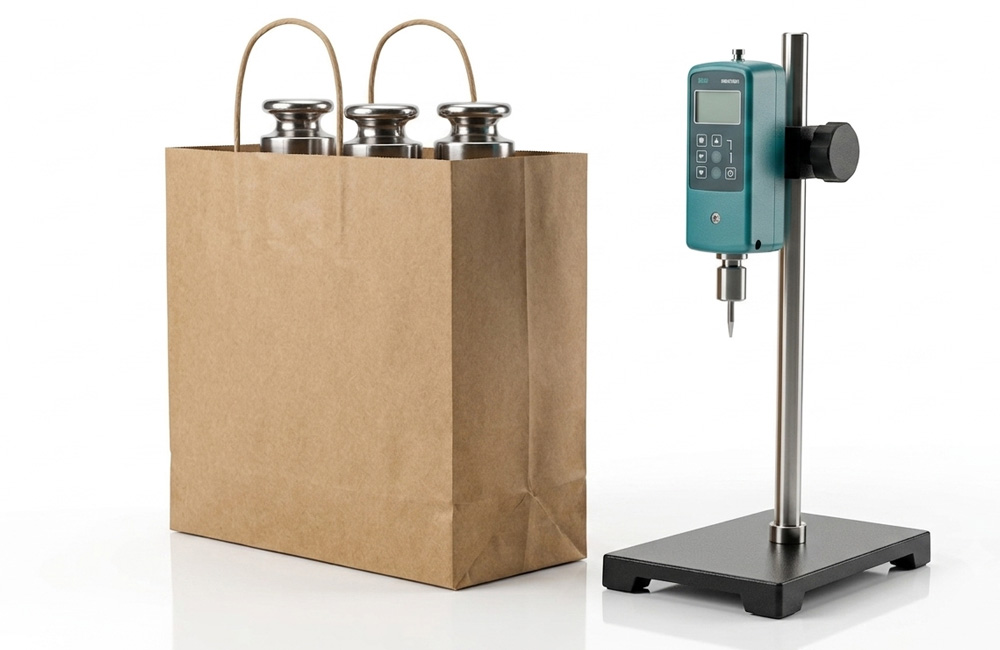
The GSM of a paper bag directly affects how much weight it can carry and how well it maintains its structure during use. Bags with higher GSM provide better resistance to tearing and are more suitable for carrying heavier items.
In contrast, low GSM bags are more flexible and cost-effective but may not withstand heavy loads. This makes them ideal for lightweight items such as small retail products or takeaway food packaging.
For businesses, the goal is to find the right balance between strength and cost. Over-specifying GSM can increase expenses unnecessarily, while under-specifying it can lead to product damage and
Common GSM Ranges and Their Uses
Different industries require different GSM levels depending on the application.
- 70–90 GSM: Suitable for lightweight items such as bakery goods or small retail products
- 100–120 GSM: Commonly used in standard retail packaging
- 130–170 GSM: Ideal for heavier items and premium packaging
- 180+ GSM: Used for luxury or high-end packaging solutions
Retailers that require durability without excessive cost often combine paper solutions with alternatives like non woven reusable shopping bags for heavier or long-term usage scenarios.
GSM and Load Capacity
Load capacity is one of the most important considerations when selecting paper bags. Higher GSM paper provides better structural integrity, allowing the bag to carry more weight without tearing.
However, GSM alone does not determine strength. Factors such as handle type, paper quality, and bag construction also play a role. For example, a twisted handle bag with 120 GSM paper may perform better than a flat handle bag with the same GSM due to handle reinforcement.
Businesses sourcing from a reusable shopping bags supplier USA often evaluate both GSM and overall construction to ensure the packaging meets operational requirements.
Cost vs Performance: Finding the Right Balance
Cost efficiency is a major concern for B2B buyers, especially when ordering in bulk. Higher GSM paper bags are more expensive due to increased material usage, but they also offer better durability and fewer replacements.
Lower GSM options may reduce upfront costs but can result in higher long-term expenses if bags fail during use. This is particularly important in industries where packaging directly impacts customer experience.
The most effective approach is to match GSM with product weight and usage frequency. Businesses that optimize this balance can achieve both cost savings and reliable performance.
GSM and Branding Impact
While GSM primarily affects strength, it also plays a role in brand perception. Thicker paper bags feel more premium and are often associated with higher-quality products.
Customers are more likely to reuse sturdy, well-designed bags, which increases brand visibility over time. This is why many companies invest in higher GSM materials for branded packaging.
For businesses combining paper and alternative materials, integrating options like durable reusable shopping bags for businesses can further enhance branding while extending product lifecycle.
Choosing the Right GSM for Your Business
Selecting the correct GSM depends on several factors:
- Product weight and size
- Frequency of use
- Brand positioning
- Budget constraints
Retail businesses may prefer mid-range GSM for daily operations, while premium brands often choose higher GSM for a more refined appearance.
Working with experienced suppliers helps ensure consistency in material quality and production standards. This is especially important for businesses that rely on packaging as part of their operational workflow.
A Smarter Approach to Paper Bag Selection
Choosing the right GSM is not just a technical decision—it is a strategic one. Businesses that understand how paper weight affects strength can reduce costs, improve reliability, and enhance customer satisfaction at the same time. By aligning packaging specifications with real usage scenarios, companies can turn a simple paper bag into a reliable and effective part of their overall packaging strategy.