


Packaging decisions directly impact cost, efficiency, and brand perception. Businesses today are increasingly comparing reusable shopping bags with plastic alternatives to determine which option delivers better long-term value.
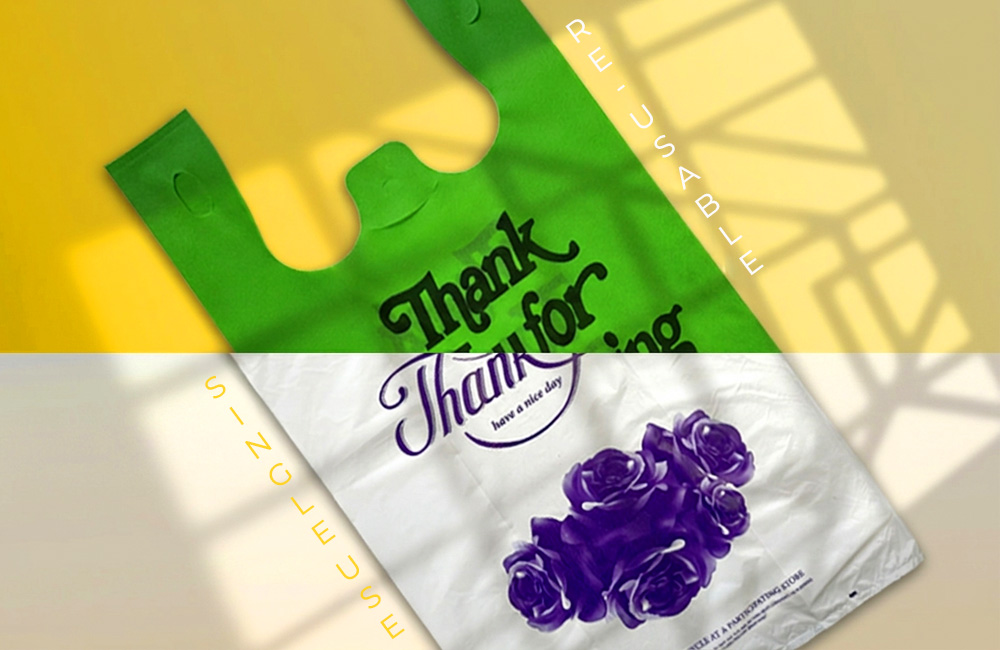
Reusable shopping bags are designed for multiple uses, while plastic bags are typically single-use. This difference alone significantly affects operational costs over time. Instead of continuously reordering disposable packaging, businesses can reduce frequency by investing in durable solutions.
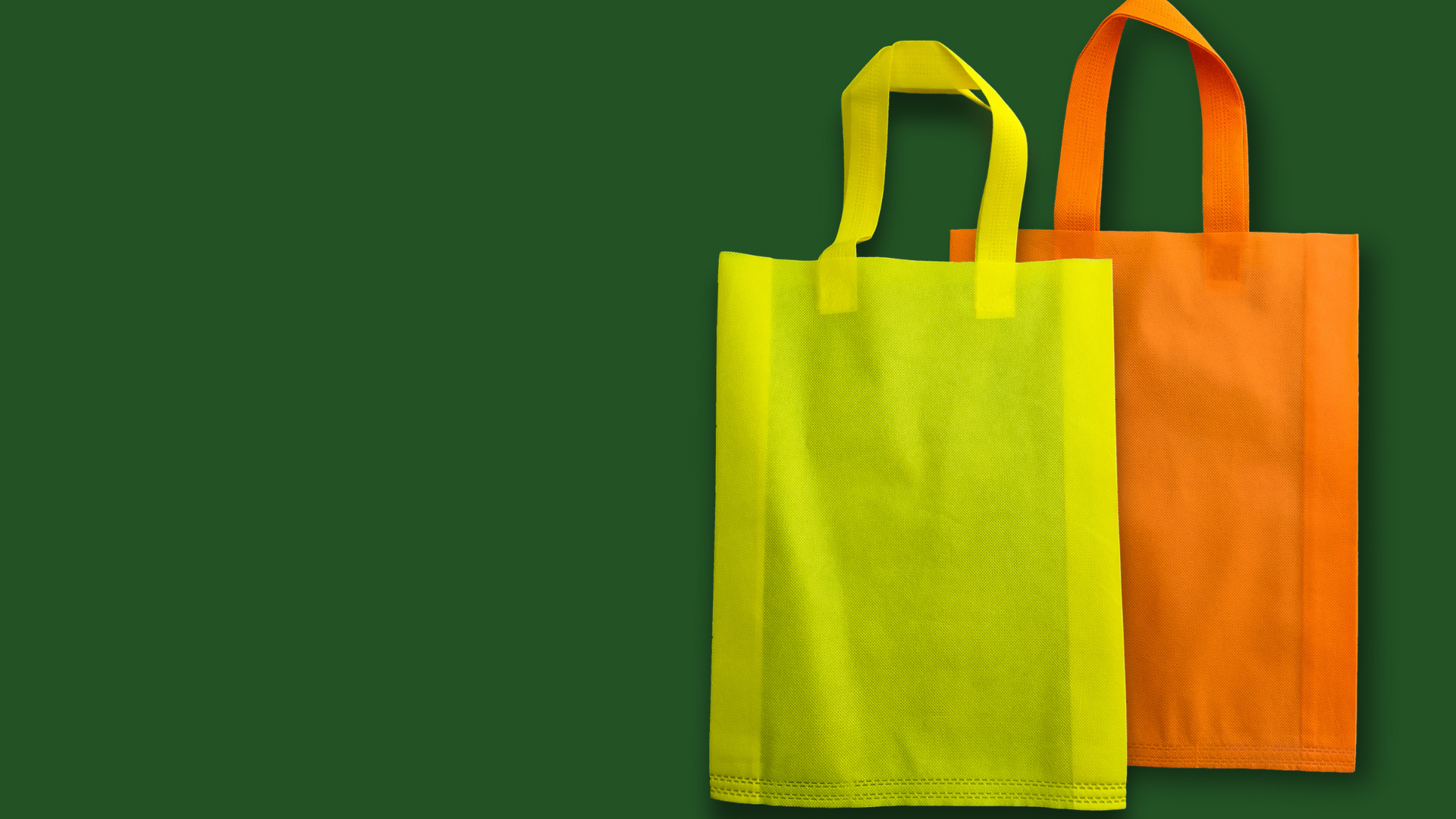
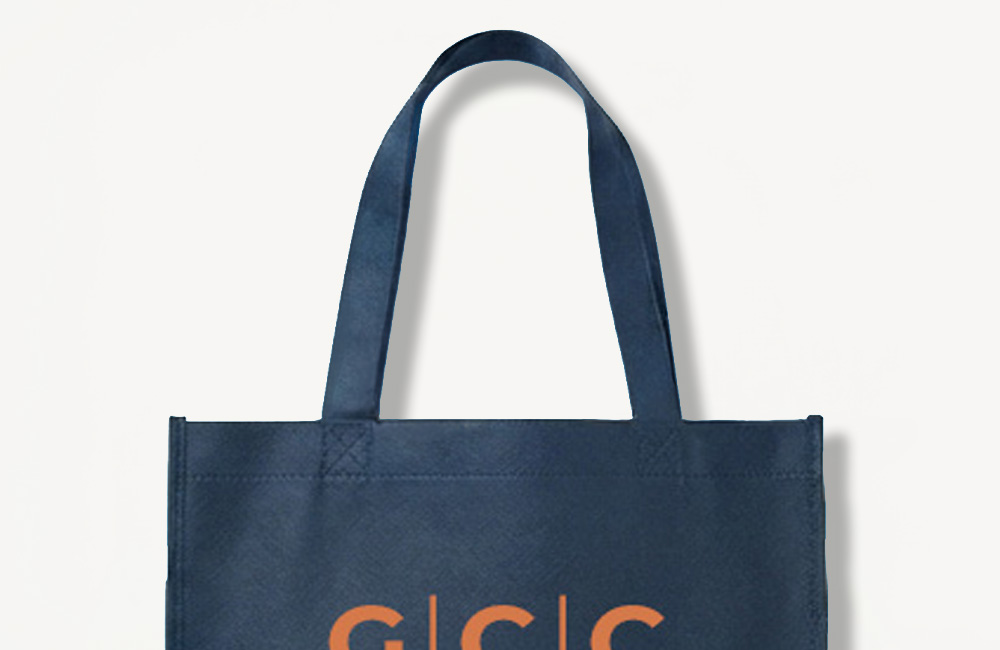
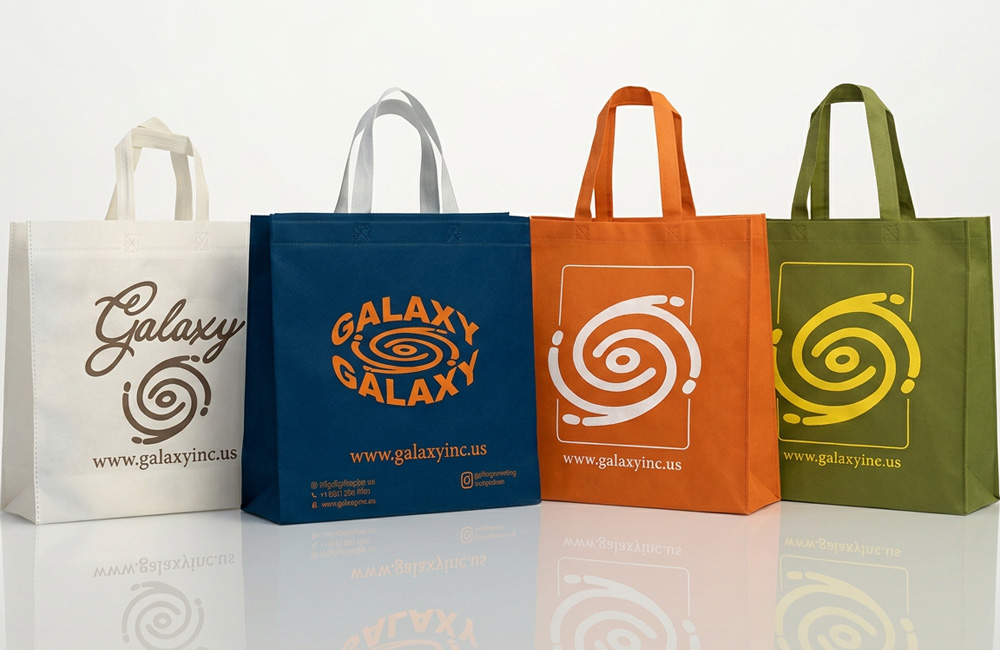
Among reusable options, many companies prefer non woven bags due to their balance of affordability and durability. These bags provide enough strength for daily use while remaining cost-efficient in bulk orders.

Plastic bags, however, still play a role in certain industries. Many businesses integrate them into broader plastic packaging solutions when water resistance or flexibility is required.
From a cost perspective, reusable bags provide better long-term ROI. While plastic bags may seem cheaper initially, their recurring cost adds up quickly.
For a deeper understanding of durable alternatives, explore reusable shopping bags and how they support long-term packaging strategies.
In conclusion, businesses that prioritize efficiency, branding, and long-term savings are increasingly shifting toward reusable options, with non woven bags standing out as one of the most practical solutions.