


Packaging has become more than just a way to carry products. For modern businesses, it directly impacts brand perception, customer experience, and long-term operational costs. As competition increases across retail and wholesale markets, companies are shifting toward solutions that provide both functionality and strategic value. This is where reusable shopping bags come into play.
Across the U.S. market, businesses are moving away from single-use packaging and investing in more durable alternatives. Reusable shopping bags are not only practical but also help brands stay visible long after the purchase is completed.
Why Reusable Shopping Bags Are Becoming Essential
The demand for reusable shopping bags continues to grow as businesses look for ways to optimize packaging costs and improve customer satisfaction. Unlike disposable options, these bags are designed for repeated use, which reduces the need for constant reordering.
From a business perspective, this creates a more efficient supply cycle. At the same time, customers benefit from stronger and more reliable packaging. Instead of being discarded immediately, reusable bags remain in use, extending brand exposure into everyday life.
What Are Reusable Shopping Bags?
Reusable shopping bags are designed to maintain durability and structure over multiple uses. They are typically made from materials such as non-woven fabric, polypropylene, canvas, or reinforced paper.
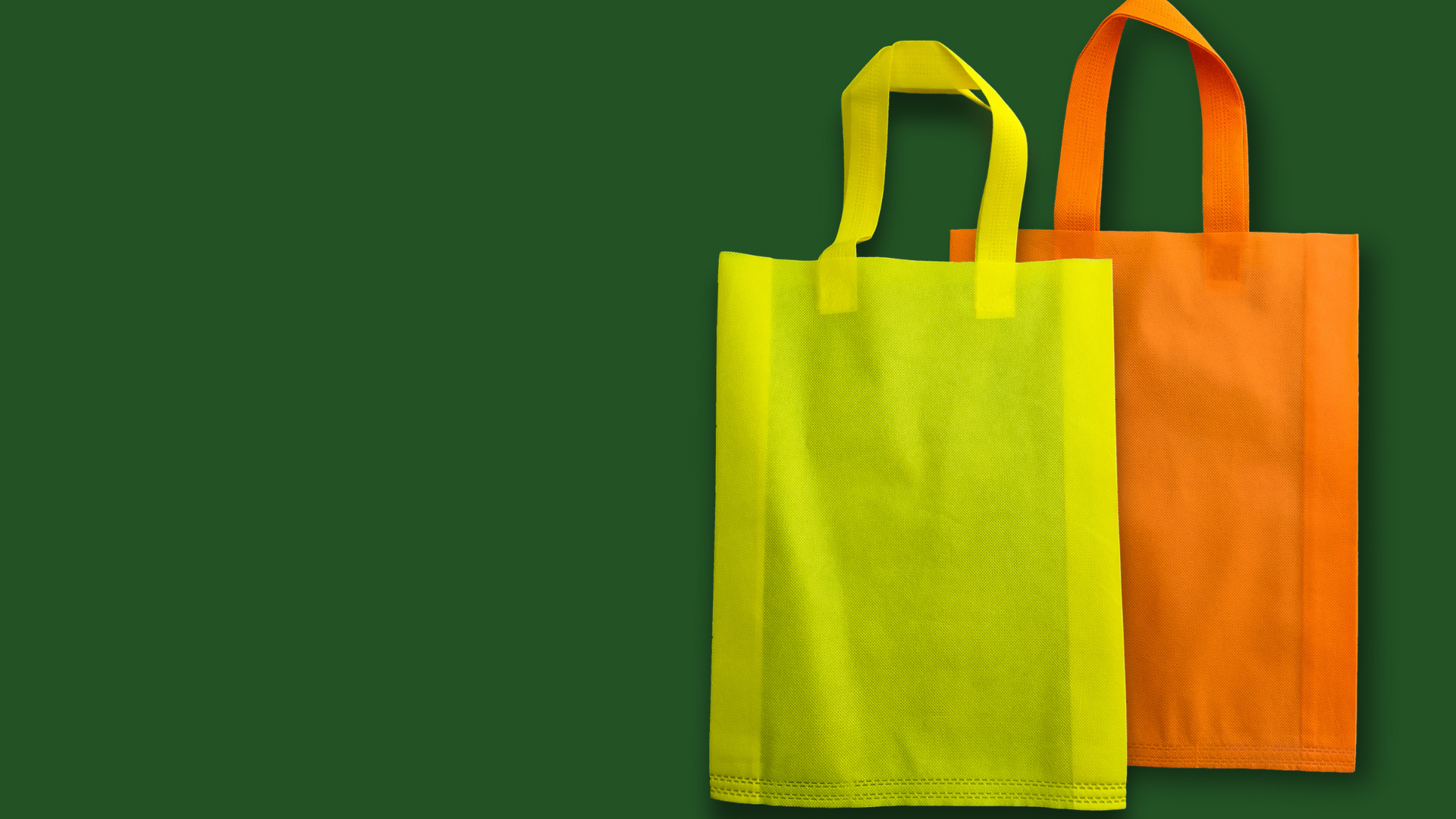
Among these, non woven bags are one of the most widely preferred solutions due to their balance of strength, flexibility, and cost efficiency. Their lightweight yet durable structure makes them ideal for retail, grocery, and promotional use.
These materials allow businesses to provide consistent packaging quality while reducing long-term costs.

Key Benefits for Businesses
Reusable shopping bags offer a range of advantages that go beyond simple packaging.
One of the most important benefits is cost efficiency over time. While the initial investment may be higher than single-use bags, the extended lifecycle significantly reduces overall expenses.
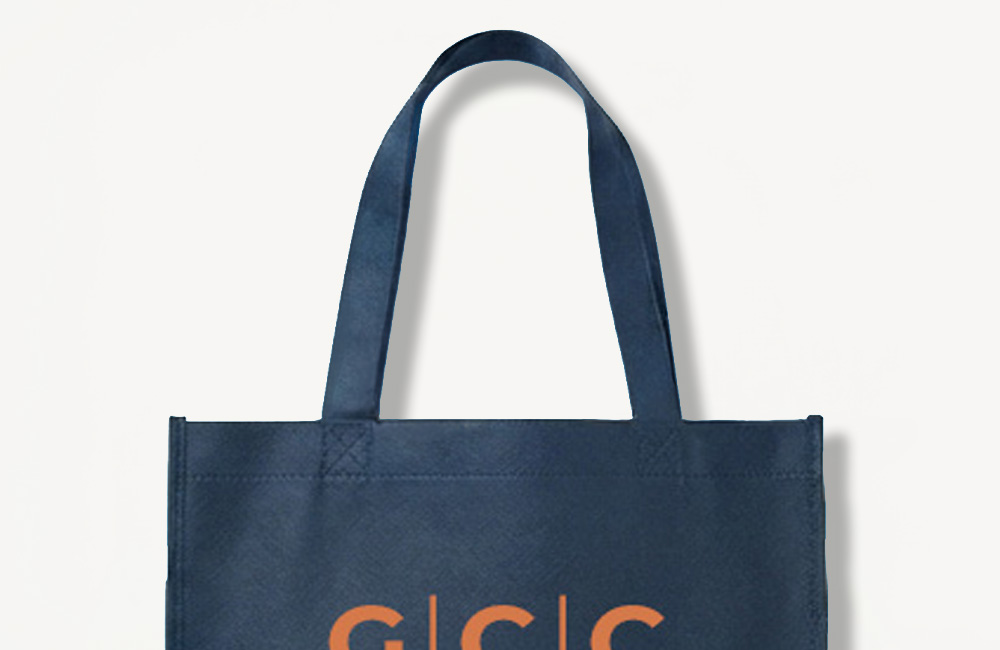
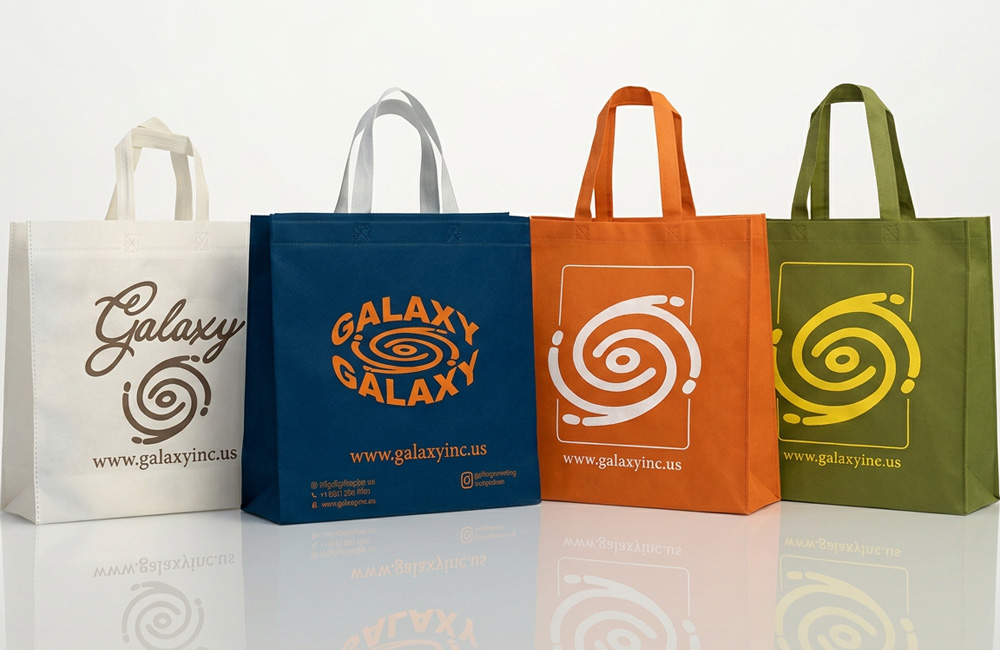
Another key advantage is brand visibility. Every time a customer reuses the bag, it acts as a moving advertisement. This organic exposure provides continuous marketing value without additional cost.
Many businesses looking for a balance between performance and affordability choose non woven bags as their primary reusable packaging solution.
Reusable bags also enhance customer experience. Strong, well-designed packaging reflects product quality and builds trust, increasing the likelihood of repeat purchases.
Types of Reusable Shopping Bags
Different materials serve different business needs, and choosing the right type is essential.
Non-woven bags are among the most popular options due to their cost-effectiveness and versatility. They are widely used in retail and promotional campaigns.
Canvas bags offer a more premium look and are often used by brands aiming for a higher-end image.
Polypropylene bags provide extra durability and are commonly used in grocery and logistics sectors. These are often part of broader plastic packaging solutions, especially when strength and water resistance are required.
Reinforced paper bags are another option, combining structure with branding flexibility. Businesses that prioritize presentation often integrate them with paper packaging solutions.
Reusable vs Single-Use Packaging
When comparing reusable shopping bags with disposable alternatives, the long-term advantages become clear. Single-use bags may seem cheaper initially, but they require constant replacement and offer limited branding value.
Reusable bags, on the other hand, support a more strategic approach. They reduce operational friction, improve brand recall, and provide a consistent customer experience.
For businesses, the focus shifts from short-term savings to long-term value creation.
Where Reusable Shopping Bags Are Used
Reusable shopping bags are used across multiple industries due to their flexibility.
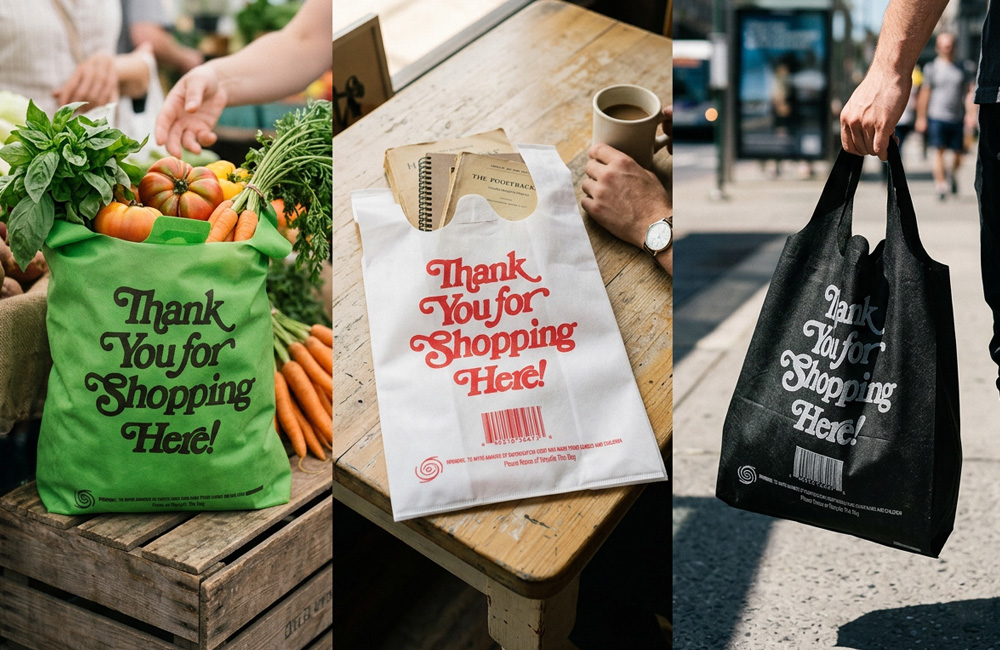
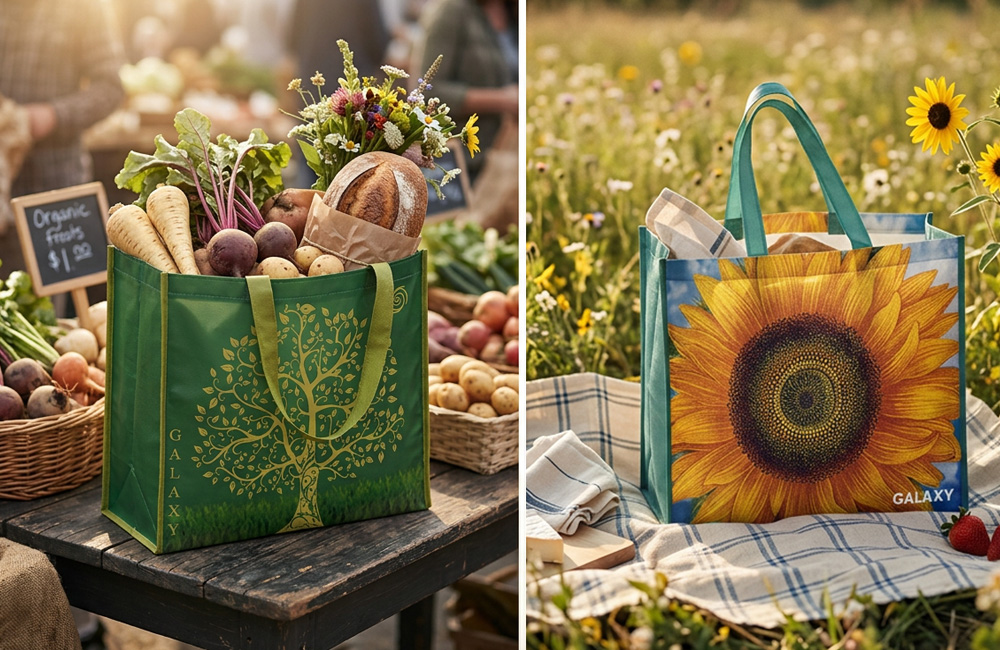
Retail businesses use them to enhance brand identity and improve presentation. Supermarkets rely on them for durability and ease of use, especially for heavier items.
They are also widely used in corporate promotions and events. Branded bags distributed at events continue to promote the business long after the event ends.
In many of these cases, companies rely on non woven bags because they offer scalability and consistent performance across different applications.
Choosing the Right Supplier
Selecting the right supplier is critical for maintaining product quality and consistency. Businesses should evaluate suppliers based on production capacity, material quality, and customization capabilities.
Working with a reliable non woven bags supplier ensures that packaging remains consistent across large orders and supports long-term business growth.
Strong supplier relationships also help reduce risks in logistics and improve delivery timelines.
Cost vs Long-Term Value
Reusable shopping bags should be seen as an investment rather than a cost. While the initial price may be higher, the long-term benefits include reduced purchasing frequency, increased brand visibility, and improved customer loyalty.
For B2B buyers, the real advantage lies in combining operational efficiency with marketing impact. This makes reusable packaging one of the most strategic choices businesses can make.