


Choosing the right manufacturer of plastic products is a critical decision that directly affects your business’s cost structure, product quality, and supply chain reliability. For B2B buyers, wholesalers, and logistics companies in the United States, plastic packaging is often a core operational component. Any inconsistency in supply or quality can lead to production delays, damaged goods, and lost revenue.
A reliable manufacturer ensures that your products meet performance standards, arrive on time, and align with your cost expectations. On the other hand, an unreliable supplier can disrupt operations and increase long-term expenses. That’s why businesses must carefully evaluate potential partners before committing to a long-term manufacturing relationship.
Why Choosing the Right Manufacturer Matters
Selecting the right plastic products manufacturer impacts more than just procurement—it influences the entire business ecosystem.
First, cost efficiency is closely tied to manufacturing quality and consistency. Low-cost suppliers may initially seem attractive, but inconsistent production or material defects can lead to higher costs over time due to waste, returns, or reorders.
Second, product quality is essential, especially for industries like food packaging, logistics, and industrial applications. Poor-quality plastic products can fail under stress, compromise safety, or damage goods during transport.
Finally, operational continuity depends on reliable supply chains. A dependable manufacturer ensures consistent production schedules, helping businesses avoid disruptions and maintain customer satisfaction.

Key Factors to Evaluate in Plastic Products Manufacturing
When evaluating plastic products manufacturing partners, businesses should focus on several key criteria that determine long-term success.
Production Capacity
A manufacturer’s production capacity determines whether they can meet your current and future demand. Businesses experiencing growth need suppliers who can scale production without delays or quality issues.
High-capacity manufacturers are also better equipped to handle bulk orders, making them suitable for wholesalers and large distributors.
Material Quality
The quality of raw materials used in plastic products manufacturing directly affects durability, flexibility, and performance. Whether you require rigid containers or flexible packaging, the material must meet your application standards.
Different types of plastics—such as polyethylene (PE), polypropylene (PP), and PET—offer varying levels of strength, transparency, and resistance.
Certifications and Compliance
For U.S.-based businesses, compliance with industry standards is essential. Manufacturers should adhere to relevant certifications, particularly for food-grade or industrial applications.
Certifications indicate that the supplier follows proper quality control and safety procedures, reducing risk for buyers.
Delivery Capability
Reliable delivery timelines are crucial for maintaining inventory levels. A manufacturer with strong logistics capabilities ensures that products are delivered on schedule, minimizing operational disruptions.
Work with a trusted partner in plastic products manufacturing to ensure consistent quality and scalable production.
Types of Plastic Products and Applications
Plastic products are used across a wide range of industries, each with specific requirements.
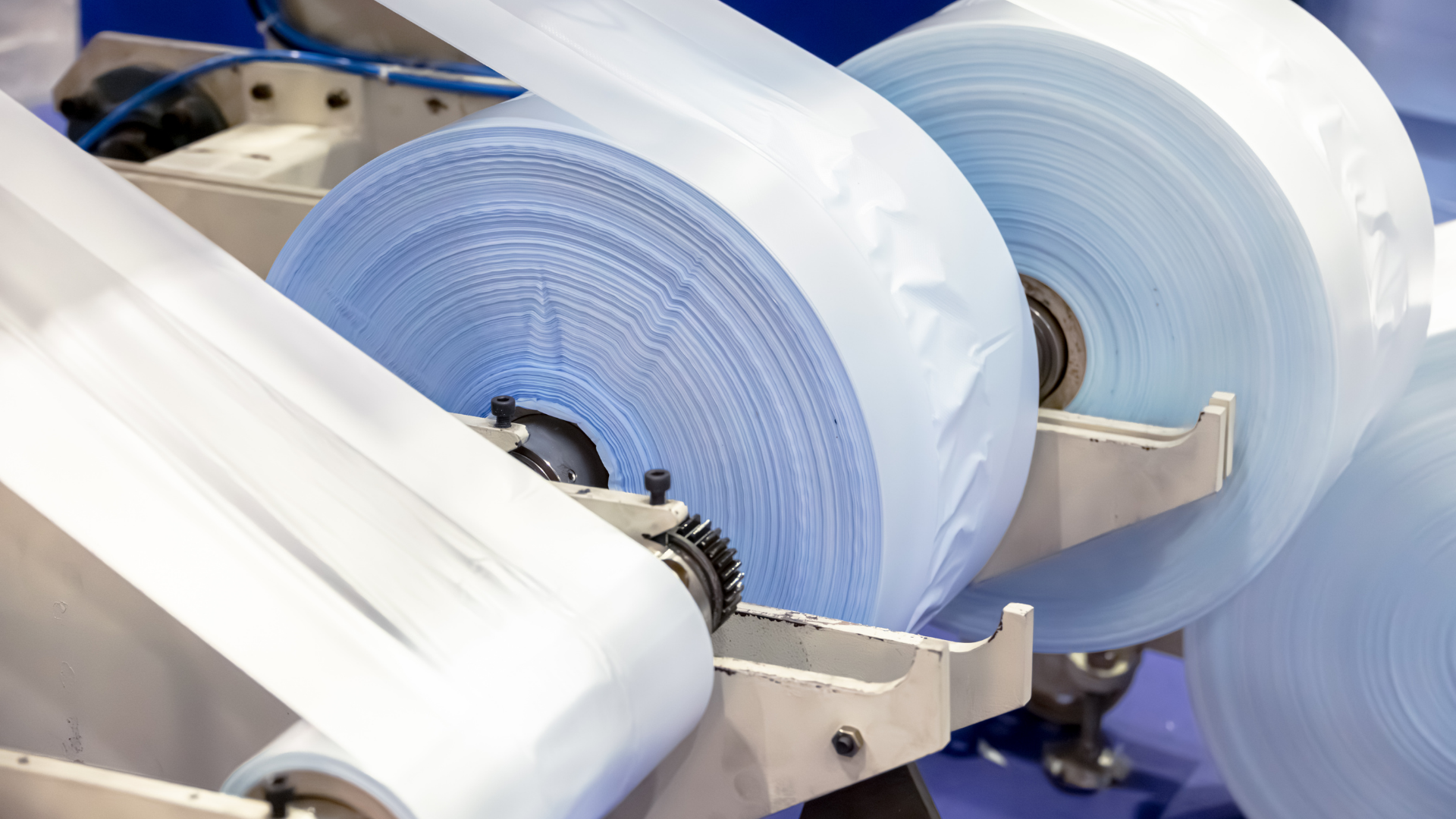
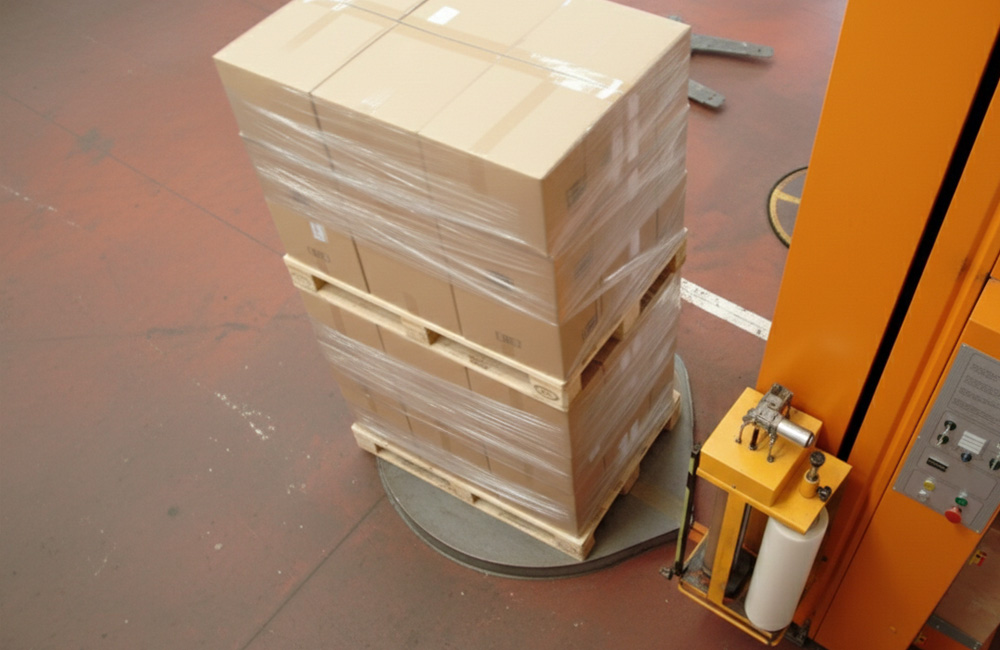
Flexible plastic products include bags, wraps, and films used in packaging and logistics. These are lightweight, cost-effective, and ideal for high-volume applications.
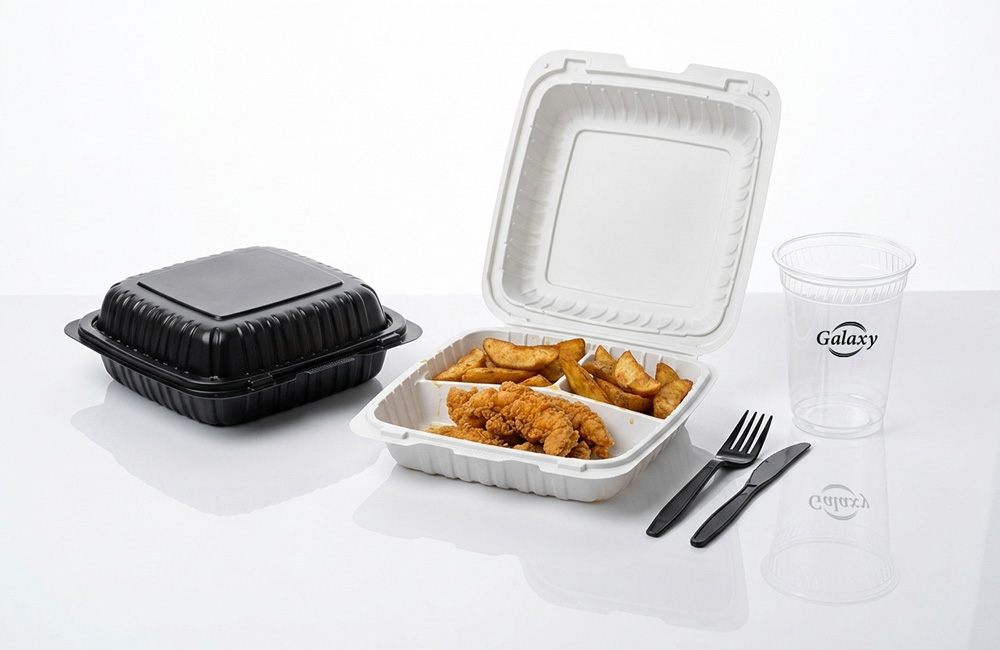
Rigid plastic products include containers, bottles, and trays. These are commonly used in food service, pharmaceuticals, and industrial storage.
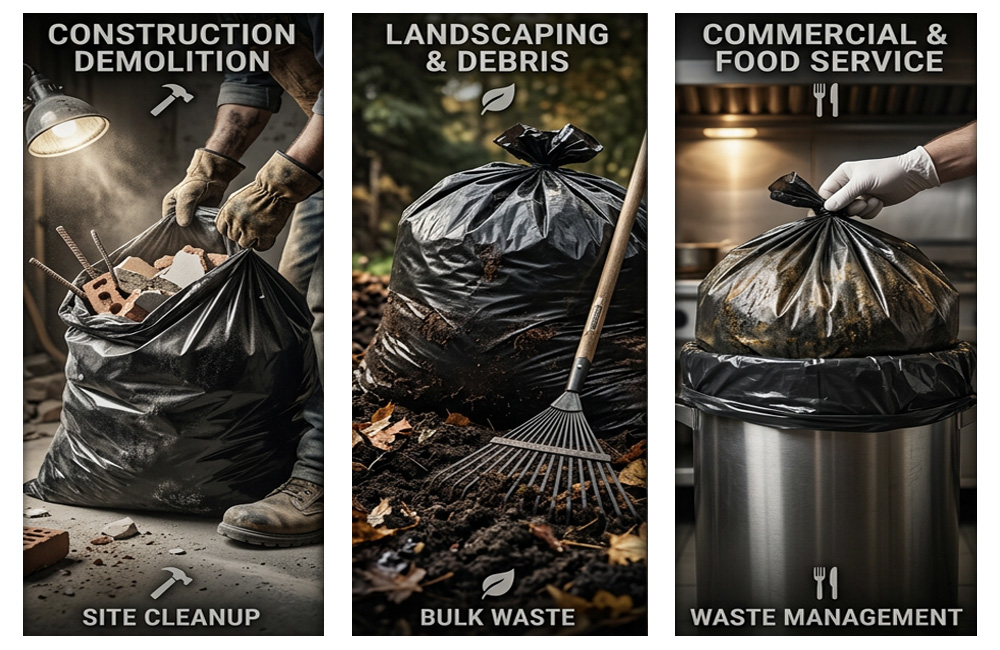
Industrial plastic products are designed for durability and resistance to environmental factors. They are used in manufacturing, construction, and heavy-duty logistics.
Explore various poly plastic products designed for packaging, storage, and industrial applications.
Understanding the different types of plastic products helps businesses select the right solutions for their specific needs.
Wholesale vs Direct Manufacturing
B2B buyers often face a choice between working with a plastic products wholesaler or sourcing directly from a manufacturer.
Wholesalers typically stock a wide range of products and offer faster delivery for smaller or standard orders. This is beneficial for businesses that need flexibility and quick turnaround times.
Direct manufacturers, on the other hand, are better suited for large-scale or customized production. They can offer better pricing for bulk orders and provide tailored solutions based on specific requirements.
Compare sourcing options through a plastic products wholesaler to determine the best fit for your business model.
The right choice depends on your order volume, customization needs, and long-term procurement strategy.
How to Assess Supplier Reliability
Evaluating supplier reliability requires a comprehensive approach that goes beyond pricing.
Communication is one of the most important factors. A reliable manufacturer should respond promptly, provide clear information, and maintain transparency throughout the process.
Logistics capabilities also play a key role. Suppliers with efficient distribution networks can ensure timely delivery and reduce the risk of delays.
Quality control processes are equally important. Manufacturers should have strict quality assurance systems in place to ensure consistency across production batches.
It is also beneficial to request samples and review past client experiences. This provides insight into the supplier’s performance and reliability.
Common Mistakes Businesses Make
Many businesses make avoidable mistakes when selecting a plastic products manufacturer.
One common error is focusing solely on price. While cost is important, choosing the cheapest option often leads to compromises in quality and reliability.
Another mistake is failing to verify certifications and compliance. This can result in products that do not meet regulatory requirements.
Some businesses also overlook scalability. A supplier that cannot grow with your business may become a bottleneck in the future.
Finally, inadequate communication during the evaluation phase can lead to misunderstandings and operational issues later on.
Cost vs Long-Term Value
While upfront cost is a key consideration, businesses should focus on long-term value when selecting a manufacturer.
High-quality plastic products reduce the risk of damage, returns, and waste. This leads to lower overall operational costs.
Reliable suppliers also help improve efficiency by ensuring consistent delivery and minimizing disruptions.
From a strategic perspective, investing in a dependable manufacturer supports business growth and stability. The long-term benefits often outweigh any initial cost differences.
For B2B buyers, the goal is not just to reduce expenses but to optimize the entire supply chain.