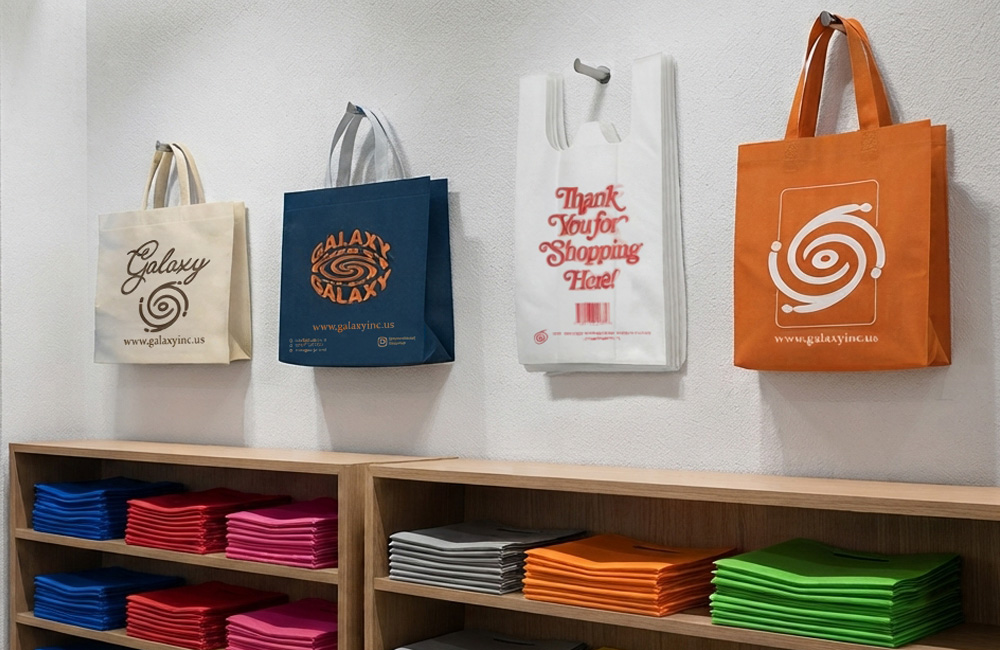




Why Businesses Are Switching to Non Woven Bags
Across the United States, businesses are rapidly transitioning away from single-use plastic packaging. Driven by regulatory changes, consumer expectations, and cost considerations, companies are actively seeking alternatives that deliver both performance and long-term value.
Non woven bags have emerged as a leading solution in this shift. Offering durability, reusability, and strong branding potential, they are becoming a preferred choice for retailers, wholesalers, and corporate brands.
Market Shift Toward Reusable Packaging
The demand for reusable non woven bags has grown significantly in recent years. Many states and cities are implementing restrictions on single-use plastic bags, pushing businesses to adopt more sustainable packaging options.
At the same time, consumers are increasingly choosing brands that demonstrate environmental responsibility.

Business Benefits of Non Woven Bags
Businesses are increasingly choosing custom non woven bags because they provide several operational advantages:
- reduced packaging replacement frequency
- improved load capacity
- better customer convenience
These benefits make them suitable for both retail and bulk distribution.
Branding & Customization Advantages
One of the biggest reasons businesses switch to non woven bags is branding potential.
These bags act as mobile advertisements. Every time a customer reuses the bag, the brand gains additional exposure without extra marketing cost.
Customization options include:
- logo printing
- color matching
- promotional messaging
Cost Efficiency Over Time
While plastic bags may appear cheaper initially, their single-use nature leads to continuous purchasing.
Bulk non woven bags reduce this need by offering long-term usability
- lower operational costs
- reduce packaging waste
- improve ROI
Sustainability and Regulations
Environmental policies are reshaping the packaging industry. Businesses are expected to reduce waste and adopt more responsible materials.
Non woven bags help companies:
- comply with regulations
- improve sustainability messaging
- meet customer expectations