



How Stretch Film Improves Supply Chain Efficiency
In modern logistics and supply chain management, product protection during transportation is a top priority. Damaged goods lead to financial losses, customer dissatisfaction, and operational inefficiencies.
Stretch film has become one of the most reliable solutions for securing palletized loads and preventing damage during shipping.
For manufacturers, distributors, and logistics companies, stretch film plays a critical role in improving supply chain efficiency.
Why Shipping Damage Happens
Products can be damaged during transportation for several reasons:
- pallet shifting
- vibration during transit
- improper stacking
- exposure to dust and moisture
- weak packaging
Without proper pallet stabilization, goods may move or collapse during transport, leading to damaged products.
Stretch film helps solve this problem by tightly securing loads to the pallet.
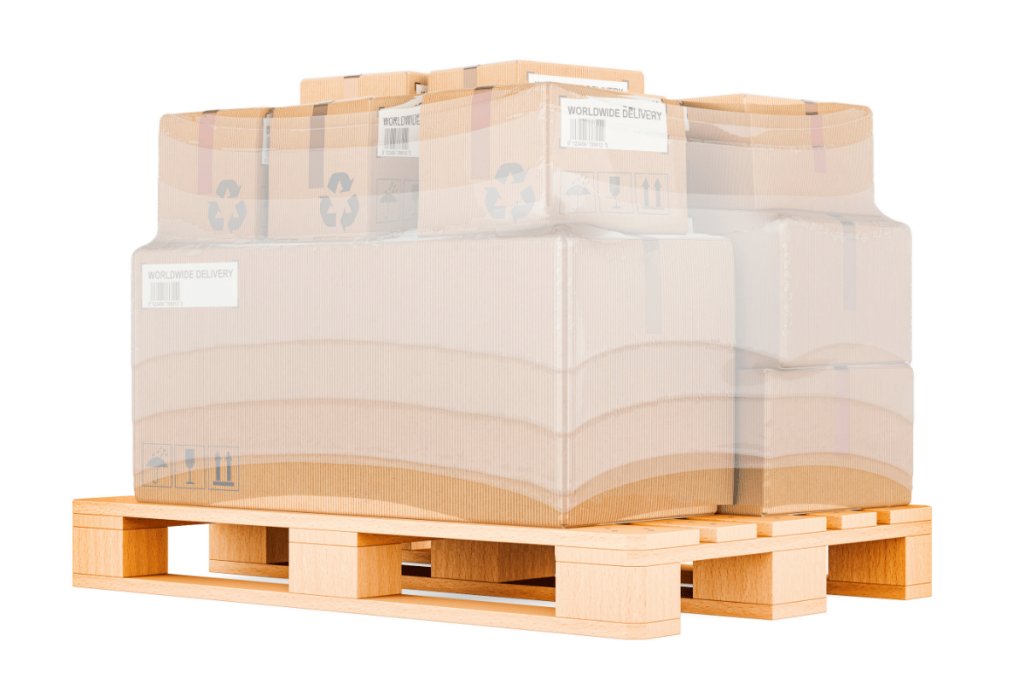
How Stretch Film Stabilizes Pallet Loads
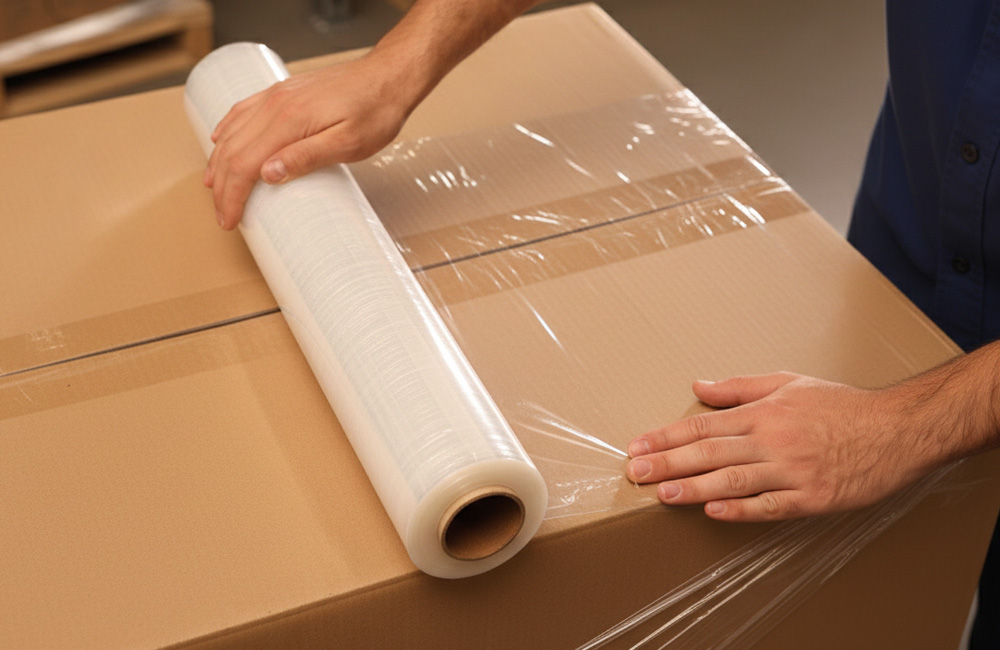
Stretch film works by applying tension around the palletized products.
This creates a secure unit load where individual boxes or items move together instead of shifting independently.
Key benefits include:
- stronger pallet integrity
- reduced product movement
- improved stacking stability
This stabilization is essential during truck transportation and long-distance shipping.
Protection During Transportation
Stretch film also acts as a protective barrier.
Wrapped pallets are protected from:
- dust
- dirt
- light moisture
- minor handling damage
For industries such as food distribution and electronics manufacturing, this protection is especially valuable.
Reducing Logistics Costs
Shipping damage often leads to hidden operational costs.
These include:
- product replacement
- return shipping
- customer complaints
- insurance claims
By improving pallet security, stretch film helps businesses reduce these costly issues.
Optimized stretch film usage can significantly improve packaging ROI.
Improving Warehouse Operations
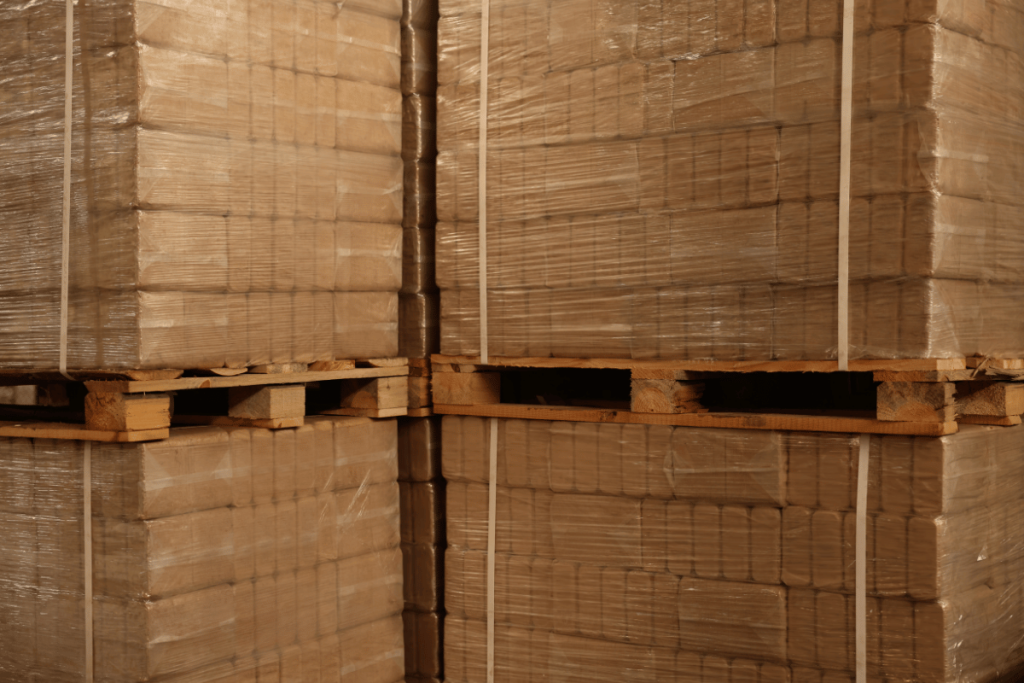
Stretch film not only protects goods but also improves internal warehouse processes.
Secure pallets allow for:
- safer forklift handling
- higher stacking capability
- more efficient storage
This helps warehouses maximize available space while maintaining safety.
Sustainability Considerations
Many companies today are looking for ways to reduce packaging waste.
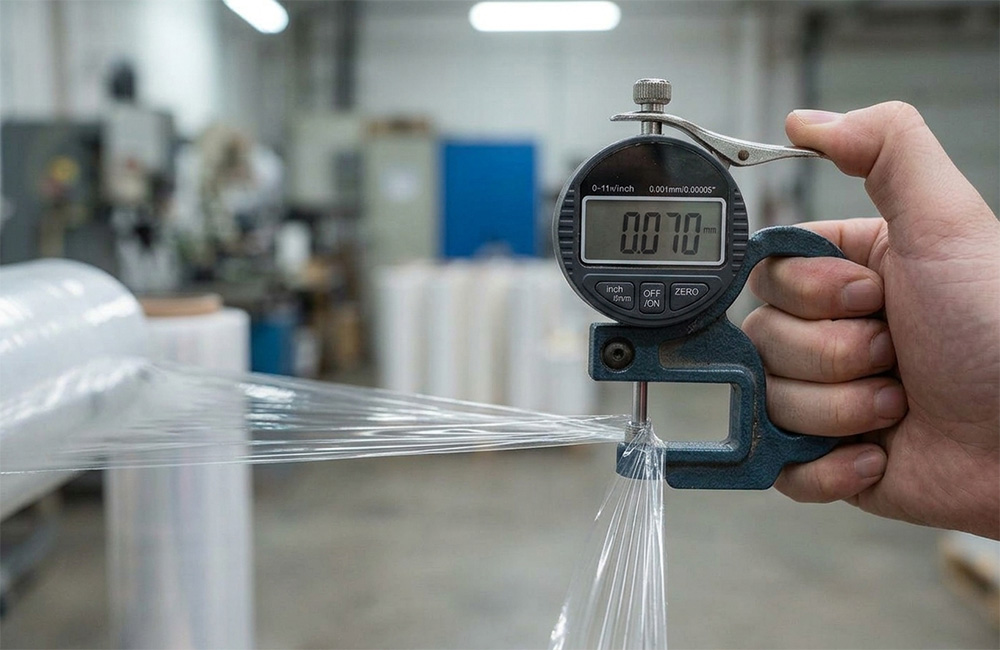
Modern stretch film technologies allow businesses to use thinner films with higher strength.
This reduces plastic consumption while maintaining load stability.
Recyclable stretch film options also support corporate sustainability goals.
Best Practices for Using Stretch Film
To maximize performance, businesses should follow several best practices:
- choose the correct film thickness
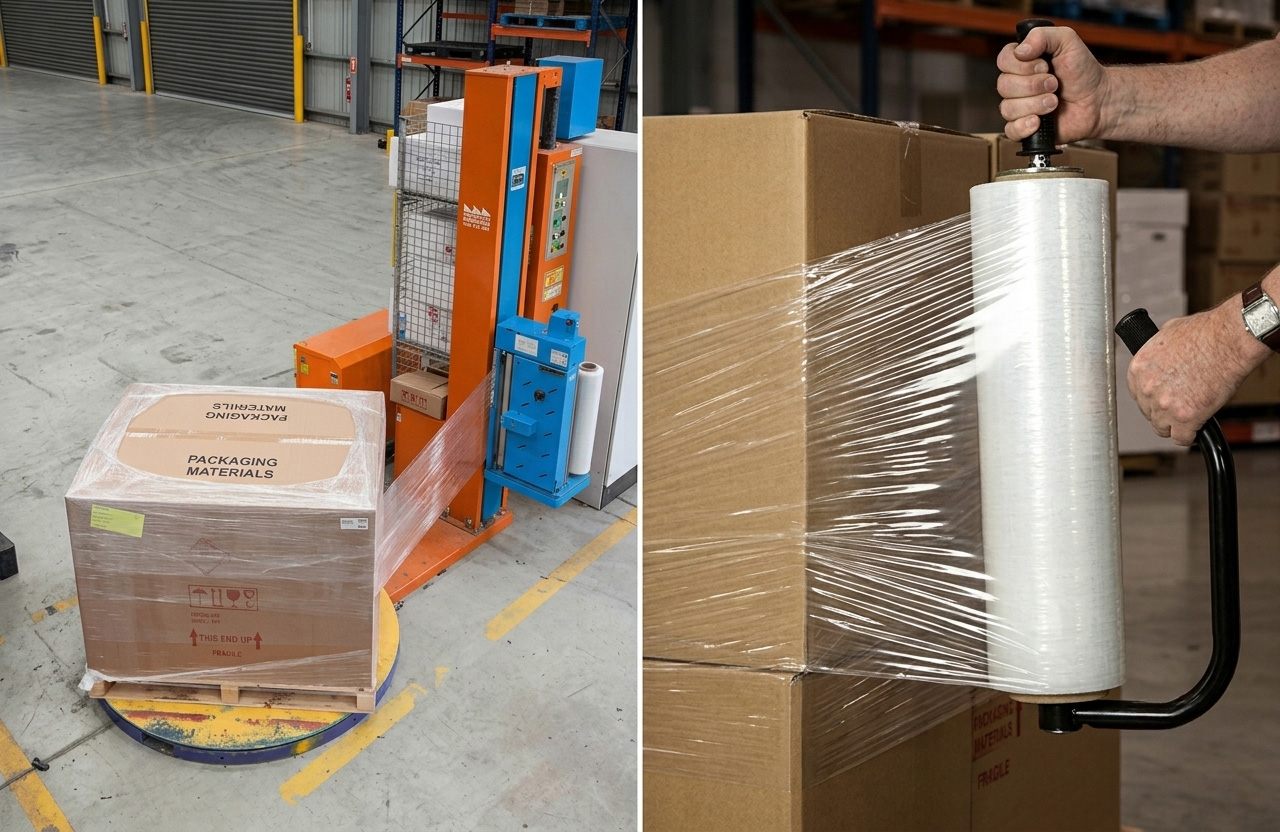
- apply consistent wrapping tension
- wrap the pallet base for stability
- use automated wrapping for high volume operations
Proper application ensures the stretch film performs at its highest efficiency.
Conclusion
Stretch film plays a vital role in modern supply chains by protecting products, stabilizing pallet loads, and reducing shipping damage.
For B2B companies operating in manufacturing, logistics, and distribution, investing in the right stretch film solution can significantly improve operational efficiency while lowering overall packaging costs.
As global supply chains continue to grow more complex, reliable packaging solutions like stretch film will remain essential for safe and efficient transportation.