

The Complete Guide to Stretch Film for Industrial Packaging
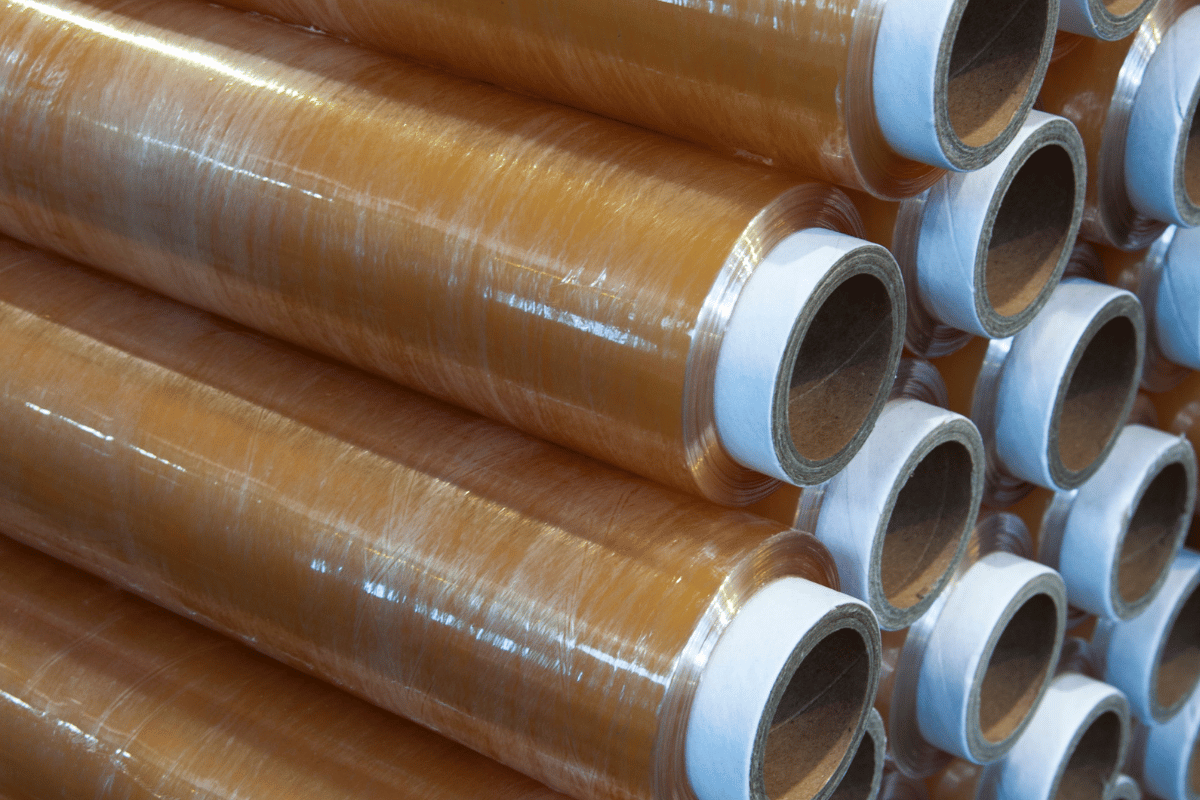
Stretch film is one of the most widely used packaging materials in modern logistics and manufacturing. From warehouses to distribution centers, stretch film plays a critical role in securing palletized goods, preventing damage during transit, and improving operational efficiency.
For B2B buyers, understanding the different types of stretch film and how they impact packaging performance can significantly reduce costs and improve supply chain reliability.
This guide explores everything businesses need to know about industrial stretch film, including its types, benefits, and best-use applications.
What Is Stretch Film?
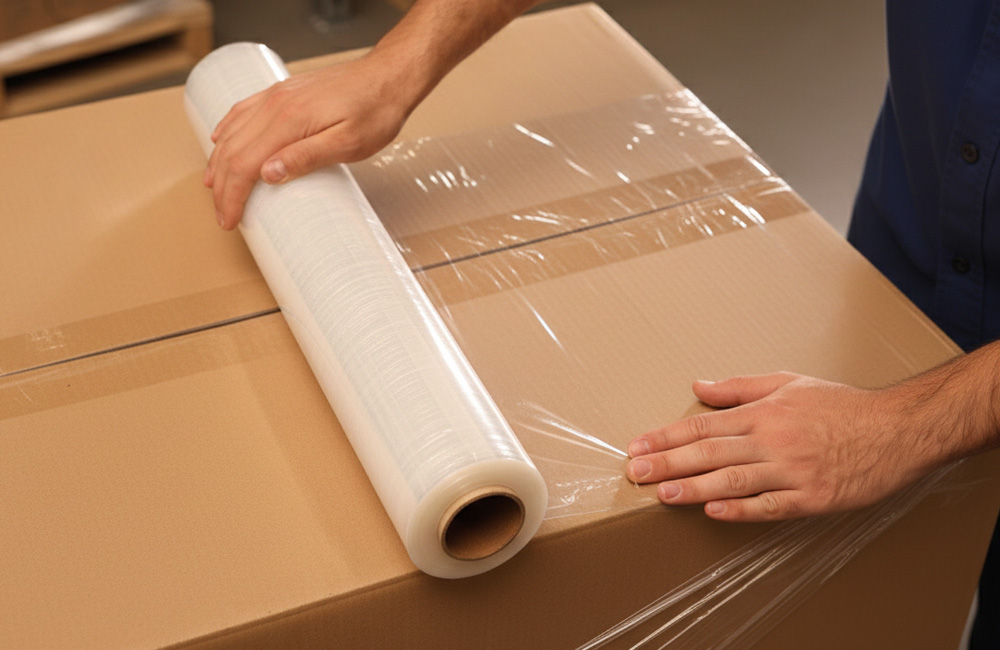
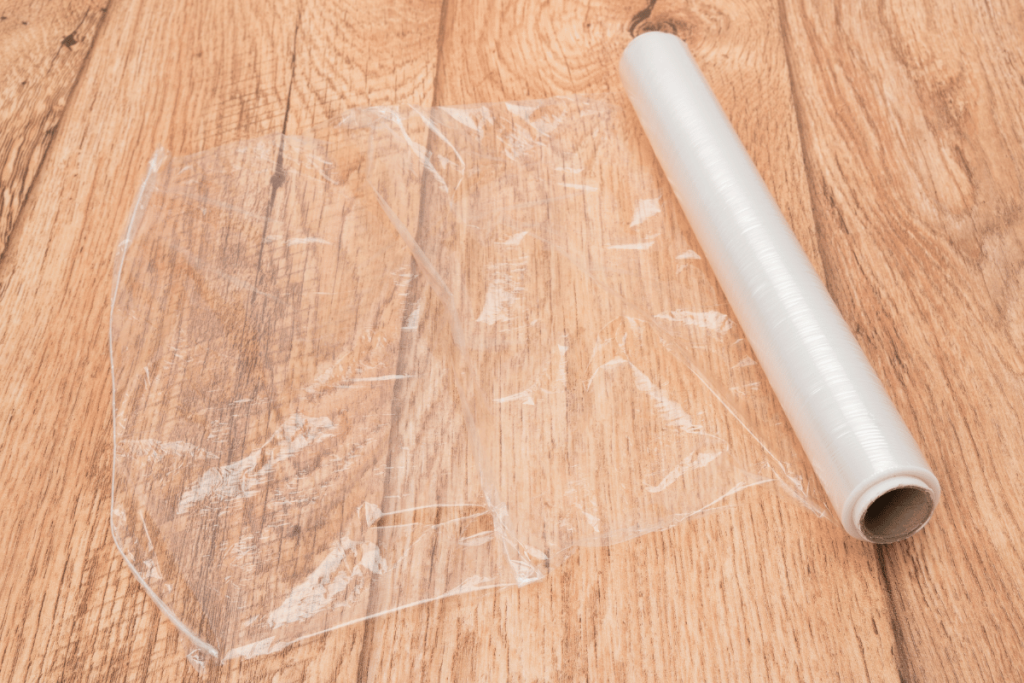
Stretch film is a highly stretchable plastic film typically made from linear low-density polyethylene (LLDPE). It is designed to wrap around products and pallets tightly, creating a secure load that prevents shifting during storage and transportation.
The elastic recovery of the film allows it to maintain tension around the load, ensuring stability even during long-distance shipping.
Stretch film is widely used across industries such as:
- Manufacturing
- Food & beverage
- E-commerce logistics
- Retail distribution
- Construction materials
Because of its versatility and cost efficiency, stretch film remains one of the most effective solutions for pallet stabilization.
Types of Stretch Film Used in Industrial Packaging
Different industries require different types of stretch film depending on load weight, transportation conditions, and packaging equipment.
Hand Stretch Film
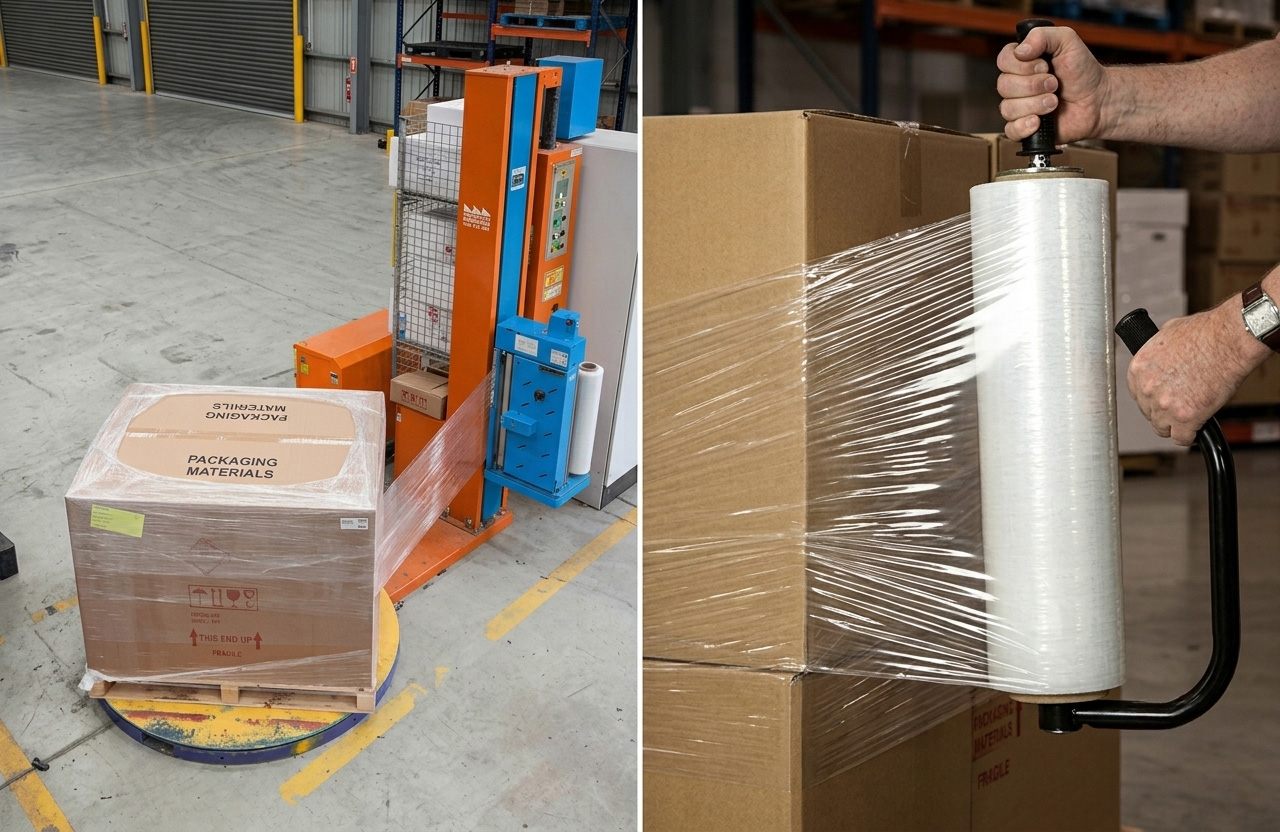
Hand stretch film is manually applied by workers wrapping pallets by hand.
This type of film is ideal for:
- Small warehouses
- Low-volume packaging operations
- Businesses without automated wrapping machines
Advantages include flexibility and low equipment investment. However, manual wrapping may result in inconsistent film usage.
Machine Stretch Film
Machine stretch film is designed for automated or semi-automatic pallet wrapping machines.
It offers several advantages:
- Consistent film application
- Higher stretch capacity
- Reduced material waste
- Faster packaging speed
Machine stretch film is typically used in high-volume distribution centers and manufacturing facilities.
Pre-Stretched Film
Pre-stretched film is mechanically stretched during manufacturing, reducing the force required during application.
Benefits include:
- Reduced worker fatigue
- Lower film consumption
- Improved load stability
This type is commonly used in logistics operations focused on sustainability and cost reduction.
Blown Stretch Film vs Cast Stretch Film
Stretch film is also categorized by manufacturing process.
Blown Stretch Film
- Higher puncture resistance
- Strong load retention
- Ideal for irregular loads
Cast Stretch Film
- High clarity
- Quiet unwinding
- Consistent thickness
Each option serves different operational needs depending on product type and transportation risk.
Key Benefits of Using Stretch Film
Stretch film offers multiple operational advantages that make it essential for industrial packaging.
Load Stability
One of the most critical benefits of stretch film is load containment. Properly wrapped pallets prevent product movement during transportation.
This reduces:
- Product damage
- Return rates
- Insurance claims
Cost-Effective Packaging
Compared to alternative packaging materials such as strapping or shrink wrap, stretch film provides a cost-efficient solution for pallet stabilization.
Benefits include:
- Lower material cost
- Faster packaging
- Reduced labor requirements
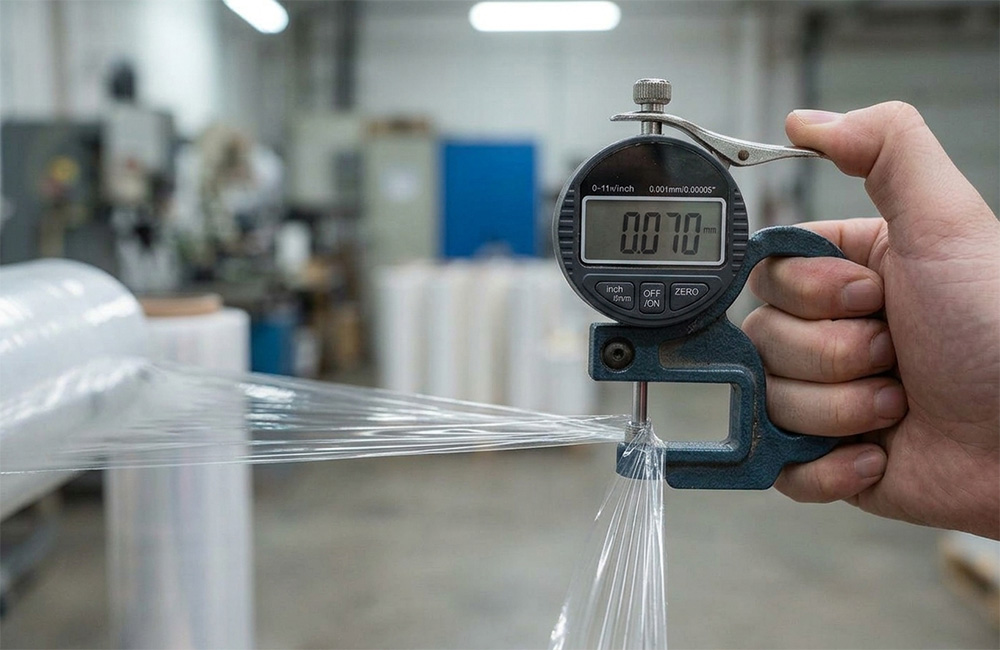
Many businesses can significantly lower packaging costs by optimizing film thickness and stretch ratio.
Protection Against Dust and Moisture
Stretch film acts as a protective barrier against environmental elements during storage and transit.
This protection is particularly valuable for industries shipping:
- Electronics
- Food products
- Paper goods
- Textiles
Improved Warehouse Efficiency
Proper pallet wrapping also improves warehouse handling efficiency.
Secure loads allow for:
- safer forklift transport
- better stacking capability
- improved storage organization
This directly supports faster distribution operations.
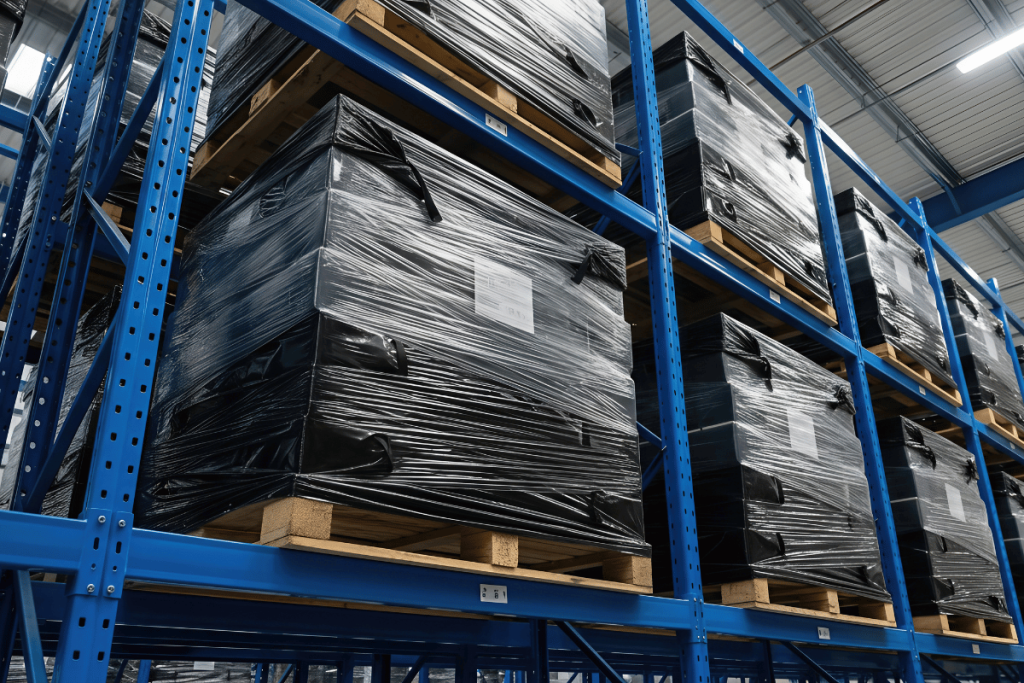
Common Applications of Stretch Film
Stretch film is used across a wide range of industries due to its versatility.
Manufacturing
Factories use stretch film to stabilize raw materials and finished goods before shipping to distributors.
Logistics & Distribution
Third-party logistics companies rely on stretch film to secure mixed-product pallets and optimize transportation safety.
Retail Supply Chains
Retail suppliers use stretch wrap to protect goods during shipping from manufacturing plants to retail distribution centers.
Construction Materials
Heavy items such as tiles, bricks, and hardware supplies are often secured with high-strength stretch film.
How to Choose the Right Stretch Film
Selecting the correct stretch film requires evaluating several factors.
Load Weight
Heavier loads require thicker or higher-performance stretch films.
Transportation Distance
Long-distance shipments benefit from films with higher load retention.
Packaging Equipment
Businesses using automated wrapping systems should select machine-grade stretch film.
Sustainability Goals
Companies focused on environmental responsibility may consider downgauged or recyclable stretch film options.
Final Thoughts
Stretch film remains an essential component of modern industrial packaging. Its ability to stabilize pallet loads, protect products, and improve operational efficiency makes it a critical material for manufacturers and logistics companies.
For B2B buyers, selecting the right stretch film type can significantly impact packaging performance and shipping costs. By understanding film types, applications, and operational benefits, businesses can optimize their packaging strategy while maintaining product safety throughout the supply chain.