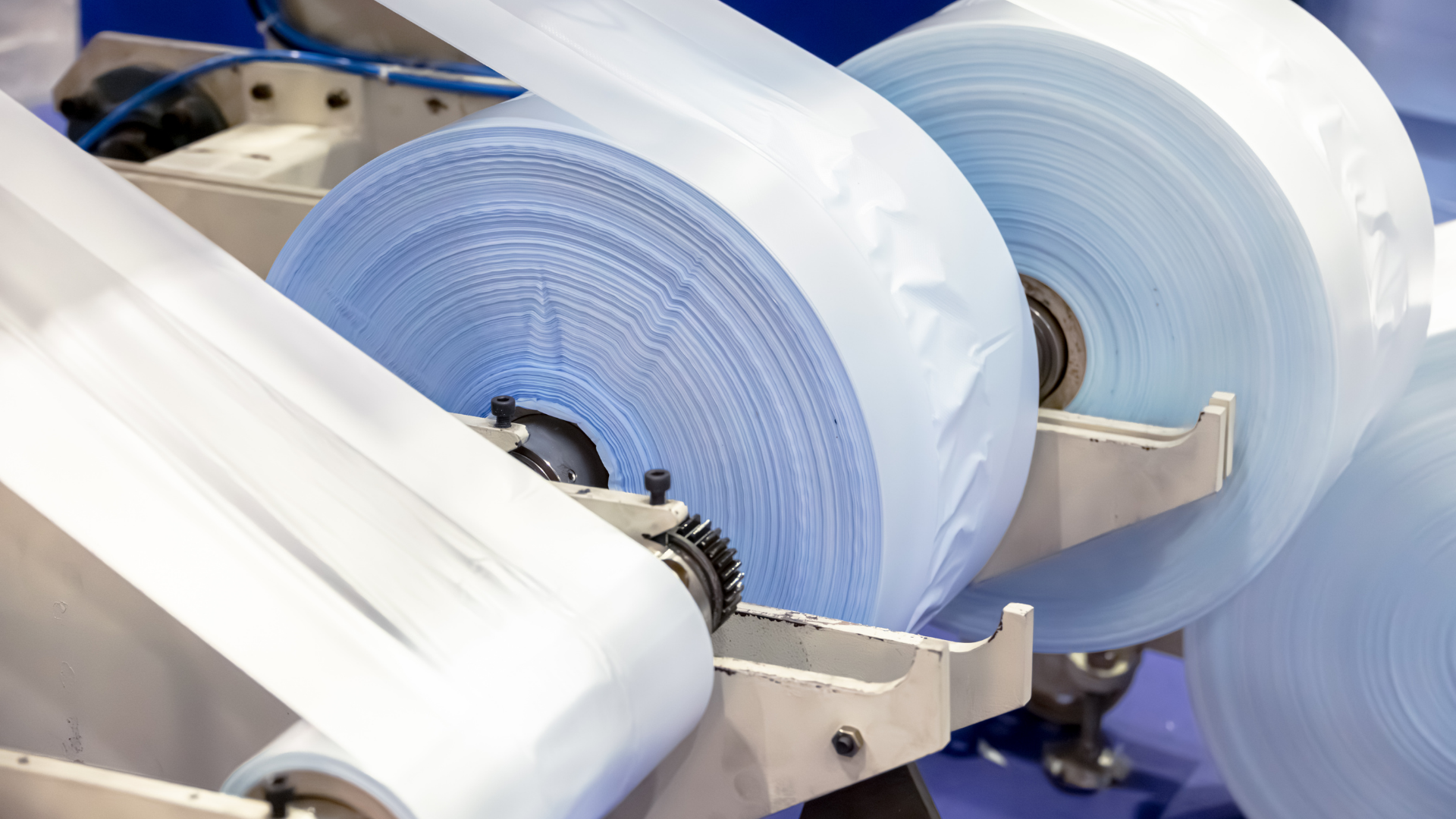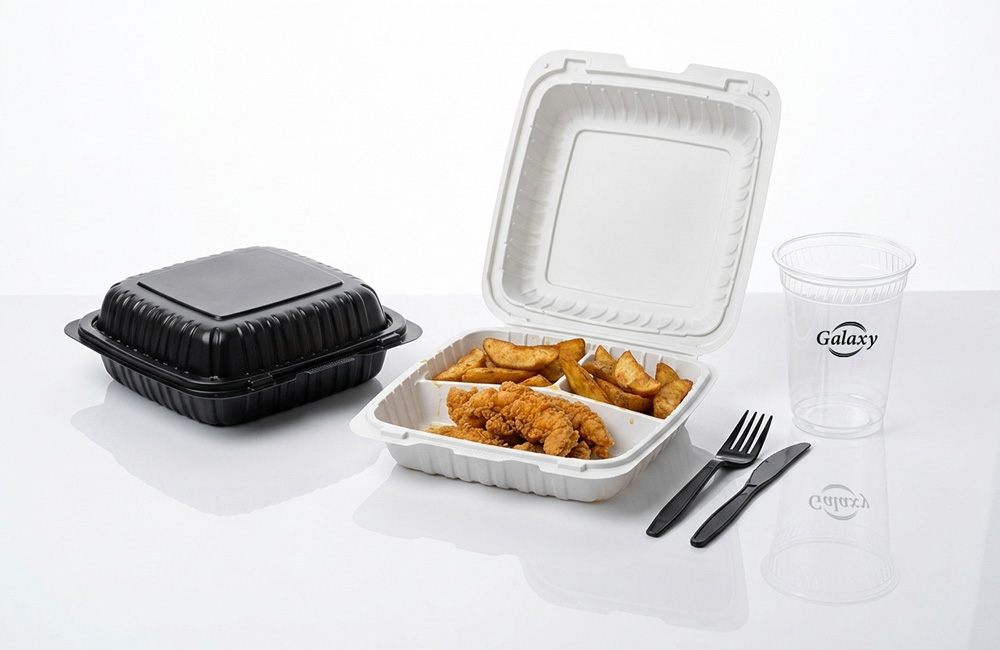




For businesses that rely on packaging, storage, or waste management solutions, choosing the right plastic products manufacturer is more than a purchasing decision — it is a long-term operational strategy.
The quality, consistency, and reliability of your supplier directly impact product performance, operational efficiency, and overall costs. A weak supplier can lead to material failures, delayed shipments, and unexpected expenses. On the other hand, a reliable manufacturer of plastic products helps businesses maintain smooth operations and scale with confidence.
So how do you choose the right partner?
Evaluate Product Quality and Consistency
The first and most critical factor is manufacturing quality. Even small inconsistencies in material thickness or density can cause significant problems in daily operations.
When evaluating a supplier, look for:
- Consistent material strength
- Uniform thickness across batches
- Reliable sealing and finishing
- Resistance to tearing or puncture
High-quality plastic products manufacturing ensures that your business avoids material waste, product failure, and operational disruptions.
If your operations require strong plastic products, such as industrial garbage bags or heavy-duty liners, quality testing and material standards become even more important.
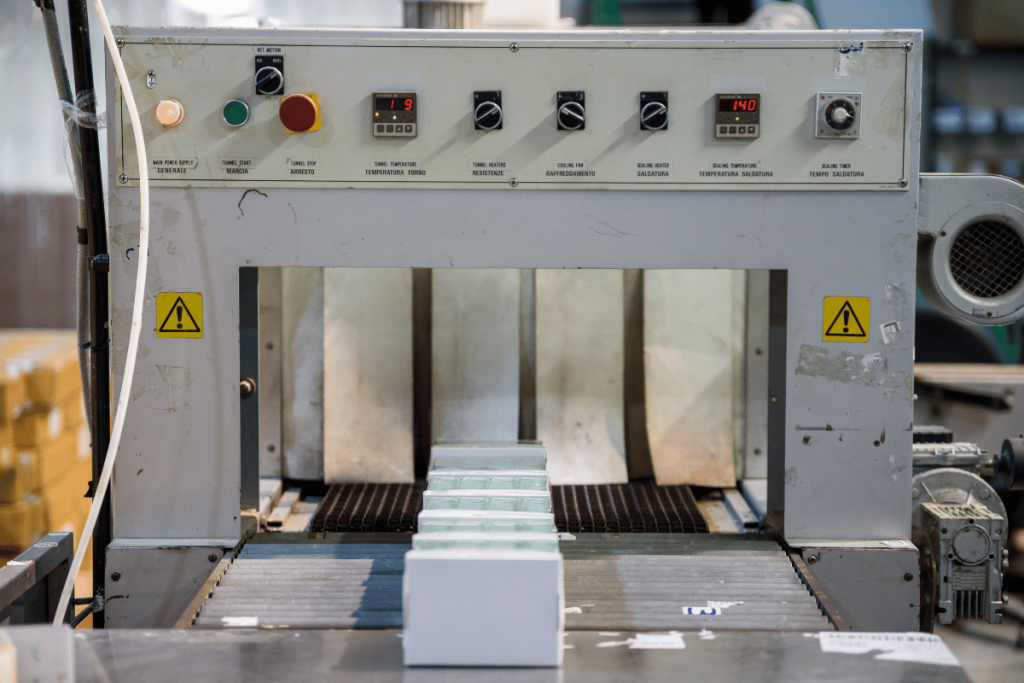
Check Production Capacity and Scalability
Many businesses make the mistake of choosing a supplier based only on price. However, if the manufacturer cannot meet growing demand, the partnership quickly becomes a bottleneck.
Ask the following questions:
- Can the supplier handle bulk orders consistently?
- Do they maintain inventory or produce on demand?
- Can they scale production during peak seasons?
- Do they have multiple production lines or backup capacity?
A reliable plastic products wholesaler should be able to support both current needs and future growth.
Assess Supply Chain Strength and Logistics
Even the best product is useless if it cannot be delivered on time. Supply chain reliability is one of the most important factors in supplier selection.
Key indicators of a strong supply chain include:
- Warehouse availability
- Fast order processing
- Stable raw material sourcing
- Nationwide distribution capability
For businesses operating across multiple locations, working with a supplier that maintains inventory and strong logistics infrastructure can significantly reduce operational risk.
Look for Material Expertise
Different applications require different materials. A professional manufacturer should guide you in selecting the right option based on your operational needs.
For example:
- HDPE for heavy-duty and industrial applications
- LDPE for flexible packaging solutions
- Custom thickness based on load requirements
A supplier with strong material knowledge helps businesses optimize performance while controlling costs.

Customization Capabilities Matter
Standard products may not always meet operational requirements. Many businesses benefit from customized solutions such as:
- Custom sizes and thickness
- Private labeling
- Color coding for operational use
- Special packaging formats
Customization is especially important for companies looking to improve efficiency, branding, or workflow management.
Reliability and Long-Term Partnership
The best suppliers focus on long-term relationships rather than one-time transactions. Signs of a reliable partner include:
- Clear communication
- Transparent pricing
- Consistent delivery schedules
- Problem-solving support
Working with a dependable plastic products manufacturing partner allows businesses to focus on operations instead of supplier issues.
Cost Efficiency vs. Lowest Price
The lowest price is not always the most cost-effective option. Poor-quality materials often result in:
- Higher breakage rates
- Increased material usage
- Operational delays
- Additional labor costs
A high-quality manufacturer may offer better long-term value through product durability and operational efficiency.
Choosing the right plastic products manufacturer is a strategic decision that affects quality, cost, and operational stability. Businesses should evaluate suppliers based on product consistency, production capacity, supply chain strength, and long-term reliability.
By working with an experienced and scalable manufacturer of plastic products, companies can ensure consistent performance, reduce operational risks, and support long-term growth.