


Wax paper, parchment paper and aluminum foil sit side by side in most commercial kitchens, and staff often reach for whichever is closest. Each one is designed for different jobs, however, and using the wrong wrap can lead to smoke in the oven, food sticking to trays or sandwiches that fall apart in the bag. This guide explains how the three compare and where each one fits best.
The short answer
| Wrap | Best for | Avoid |
|---|---|---|
| Wax paper | Wrapping sandwiches and deli items, lining counters, separating cold food | Ovens and other high heat |
| Parchment paper | Lining baking trays, baking and roasting, non-stick cooking | Open flames and broilers |
| Aluminum foil | Covering pans in the oven, grilling, holding heat, wrapping hot food | Microwaves, and long contact with very acidic foods |
Wax paper
Wax paper is paper coated with a thin layer of wax, which makes it resistant to moisture and keeps food from sticking to it. Because the coating is wax, it is not designed for oven use: heat can melt the wax and cause smoking.
In food service, wax paper is used mainly for cold and room-temperature jobs:
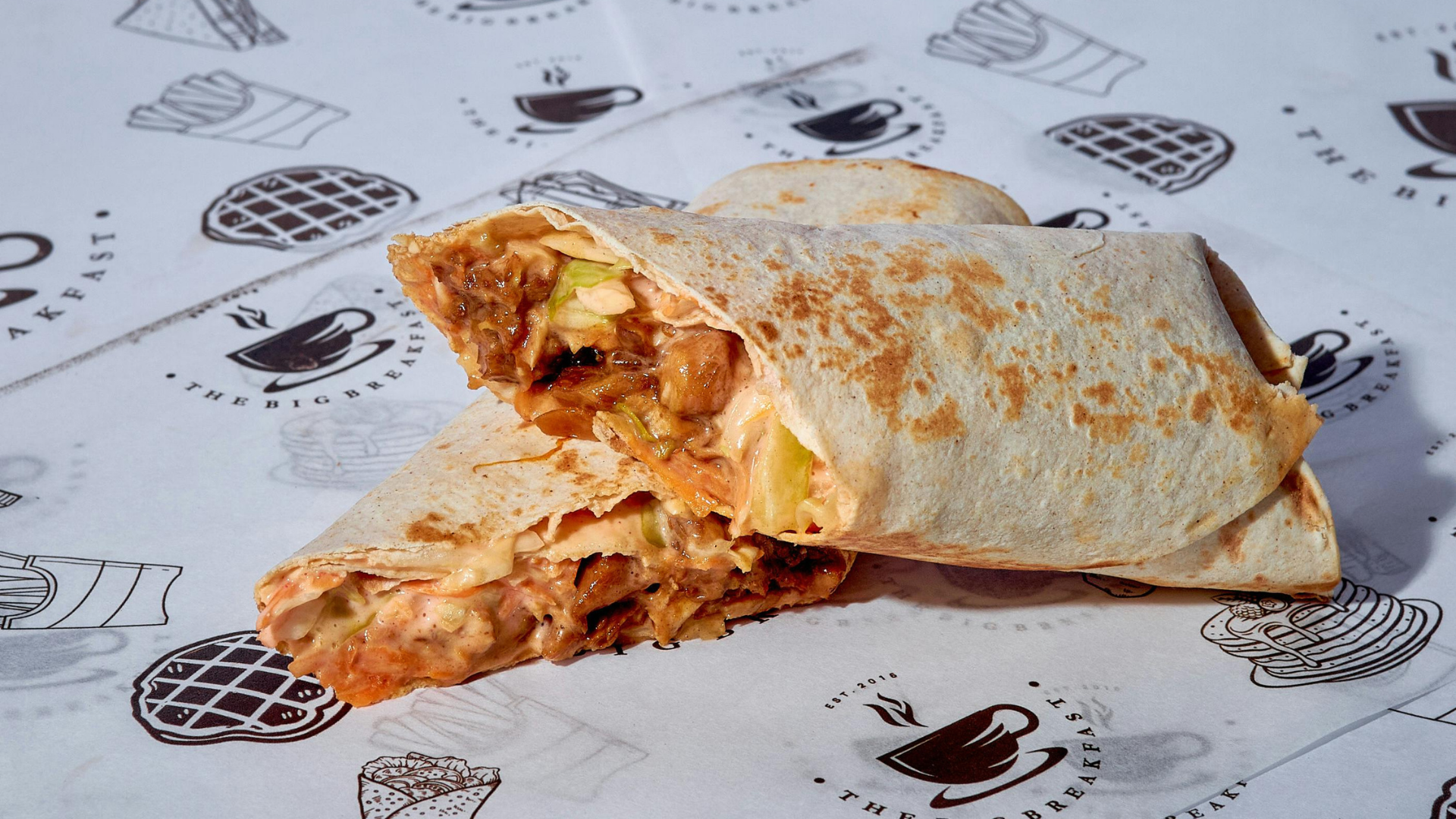
- Wrapping sandwiches, wraps and subs
- Deli counters, where precut sheets are used to pick up and wrap sliced meats and cheeses
- Separating layers of portioned food, such as burger patties or cookies before baking
- Lining baskets and trays for serving
Precut deli sheets are popular because staff can pull one sheet at a time without cutting. Our wax paper is available in 12″ × 10″ and 15″ × 10″ deli sheet sizes, which suit typical sandwich and deli wrapping.
Parchment paper
Parchment paper is treated to be heat resistant and non-stick, usually with a silicone coating. That makes it the standard choice for baking: it lines sheet pans so cookies, pastries and roasted vegetables release cleanly, and it reduces scrubbing.
Parchment tolerates normal oven temperatures, but every product has a maximum temperature, so check the manufacturer’s guidance. It should not be used directly under a broiler or near open flames, where it can scorch or ignite.
Common uses include:
- Lining baking trays and cake pans
- Cooking fish or vegetables in a sealed parchment parcel
- Rolling dough without sticking
Aluminum foil
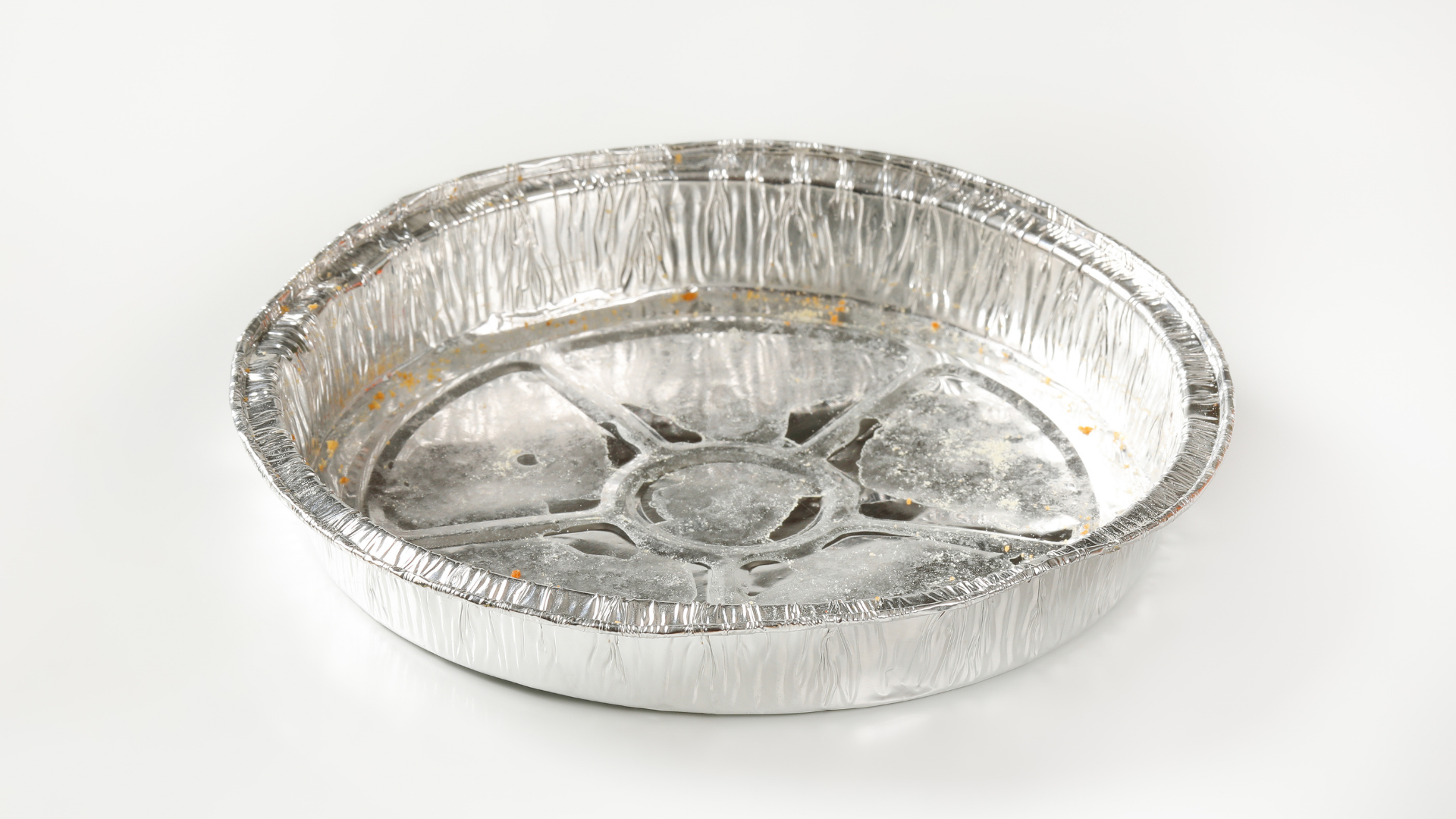
Aluminum foil is a thin sheet of metal. It handles high oven and grill temperatures, holds heat around food and can be shaped tightly over pans and around items. In commercial kitchens, foil is used for:
- Covering hotel pans and roasting pans in the oven
- Wrapping food for grilling or smoking
- Keeping cooked food warm during holding and delivery
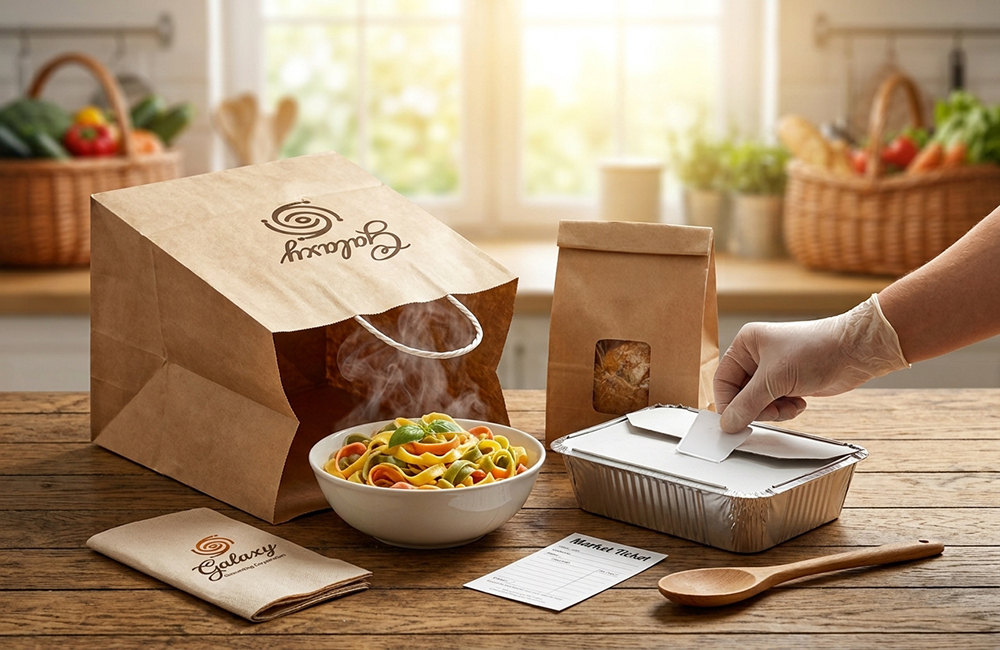
- Wrapping burritos, sandwiches and baked potatoes for takeout
Foil should not be used in microwaves unless the microwave manufacturer specifically allows it, because metal can cause sparking. Very acidic or salty foods left in long contact with foil can also react with the metal, so for long storage of tomato-based sauces or citrus marinades, a container is a better choice.
For heavy daily use, many kitchens prefer heavy-duty foil because it tears less when covering large pans. You can see our options on the aluminum foil product page.
Choosing by task
Wrapping sandwiches for takeout
Use wax paper for cold sandwiches and deli items. Use foil when the sandwich is hot and needs to stay warm, such as a burger or a grilled wrap.
Baking
Use parchment paper. Wax paper is not suitable for the oven, and foil does not have the same non-stick surface.
Covering pans in the oven
Use foil. It handles higher temperatures and seals tightly over the pan.
Separating portions for the freezer
Wax paper or parchment both work well between layers of patties, cookies or portioned dough to prevent sticking.
Food contact and documentation
All three wraps touch food directly, so they should be products intended for food contact. When choosing a supplier, ask for documentation that confirms food-contact suitability, and keep it with your other food safety records. This is especially useful for multi-location operators and caterers whose clients ask for supplier information.
Building a simple wrap guide for staff
New staff often learn which wrap to use by watching others, which is how bad habits spread. A one-page guide posted near prep stations solves this. Keep it short: a column for each wrap, the jobs it is used for, and one clear “never” line, such as “never in the oven” for wax paper and “never in the microwave” for foil. Add photos of the products so staff can recognize the right box at a glance. Review the guide whenever your menu or suppliers change.
Stocking the right mix
Most kitchens need all three, but in different quantities. A deli or sandwich shop uses far more wax paper than parchment, while a bakery relies on parchment and a grill-focused restaurant goes through foil quickly. Track how much of each wrap every station uses for a few weeks, then set reorder levels based on real usage rather than guesses.
Storing each wrap at the station where it is used, with clear labels, helps staff choose the right one without thinking about it during a rush.
Frequently asked questions
Can I use wax paper instead of parchment for baking?
No. Wax paper is not heat resistant, and the wax can melt and smoke in the oven. Use parchment for baking.
Is parchment paper the same as baking paper?
In most markets, yes. “Baking paper” is a common name for parchment paper with a non-stick coating.
Which wrap keeps food hot longest?
Aluminum foil holds heat best of the three, especially when food is wrapped tightly. For longer delivery times, combine foil with an insulated bag.
Final thoughts
Wax paper, parchment and foil each have a clear role. Wax paper handles cold wrapping and deli work, parchment is for baking and non-stick cooking, and foil manages high heat and holding. Train staff on these simple rules, stock each wrap where it is used, and you will reduce waste, smoke and sticking across the kitchen.