


For many businesses, packaging expenses are viewed as fixed operating costs. However, companies that regularly evaluate their packaging processes often discover opportunities to reduce expenses without sacrificing product protection. One of the most effective ways to achieve this is by optimizing the use of stretch film.
Stretch film plays a critical role in securing palletized goods during storage and transportation. When selected and applied correctly, it minimizes material waste, reduces product damage, and improves warehouse efficiency. Instead of focusing solely on the purchase price of packaging materials, businesses should consider the long-term savings generated through better packaging practices.
Looking Beyond Material Cost
Choosing the lowest-priced stretch film does not always produce the lowest packaging cost.
A lower-quality film may require additional layers to stabilize loads, increasing material consumption and labor time. In contrast, premium stretch film solutions often provide greater strength and elasticity, allowing businesses to use less material while maintaining excellent load security.
Evaluating total packaging performance rather than unit price leads to smarter purchasing decisions.
Reducing Product Damage During Transportation
Damaged shipments create expenses that extend far beyond replacing products.
Transportation delays, customer complaints, return shipping, and additional labor all increase operating costs. High-quality stretch film helps stabilize pallet loads by preventing movement during handling and transit.
Businesses that invest in reliable pallet protection solutions often experience fewer damaged deliveries and greater customer satisfaction.
Protecting products is one of the simplest ways to control avoidable costs.
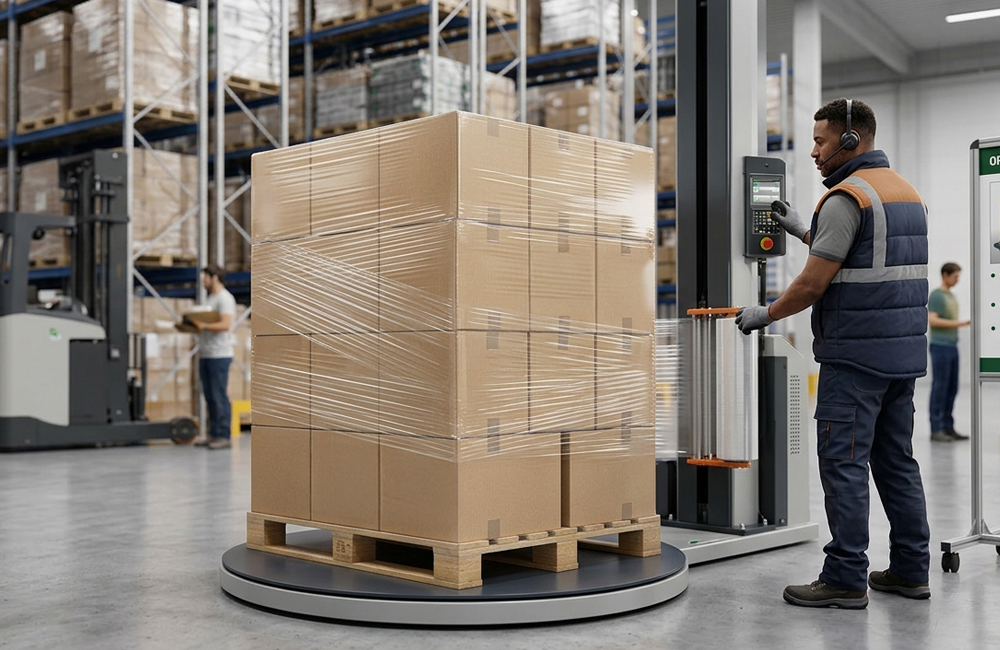
Improving Packaging Efficiency
Packaging speed has a direct impact on warehouse productivity.
When stretch film performs consistently, employees spend less time correcting unstable loads or rewrapping pallets. This allows packaging teams to process more shipments without increasing labor requirements.
Reliable warehouse packaging systems help maintain consistent workflows while improving operational efficiency throughout the facility.
Even small time savings become significant across hundreds of daily shipments.
Using the Right Film for the Right Application
Not every shipment requires the same type of stretch film.
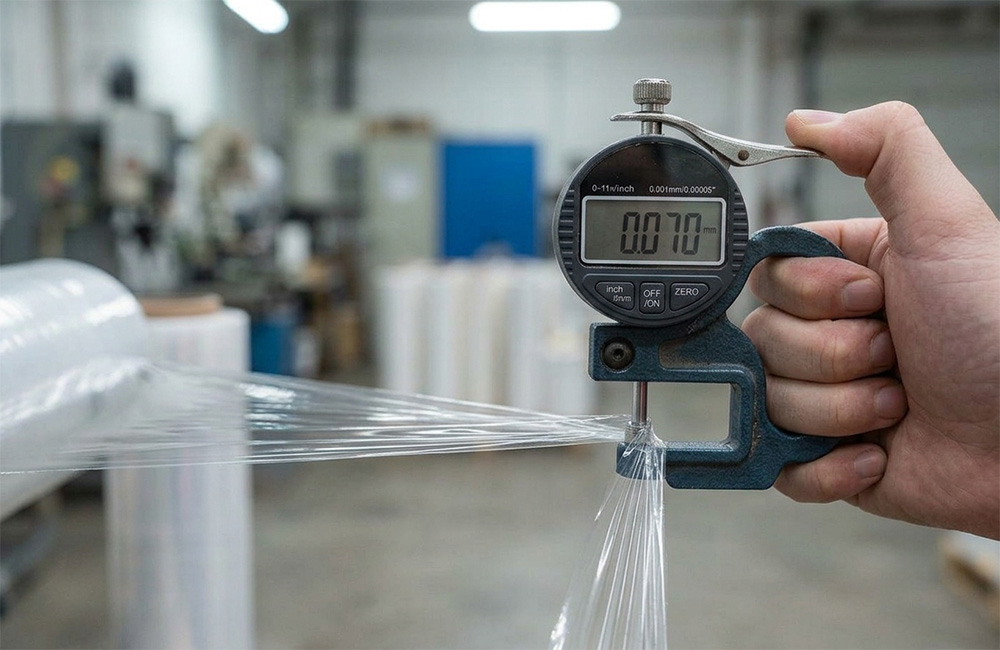
Heavy industrial products, lightweight consumer goods, and irregularly shaped loads all have different packaging requirements. Selecting the appropriate film thickness and performance characteristics prevents unnecessary material usage while ensuring sufficient protection.
Matching the film to the application improves both efficiency and cost control.
Lowering Material Waste
Packaging waste increases purchasing costs and creates unnecessary environmental impact.
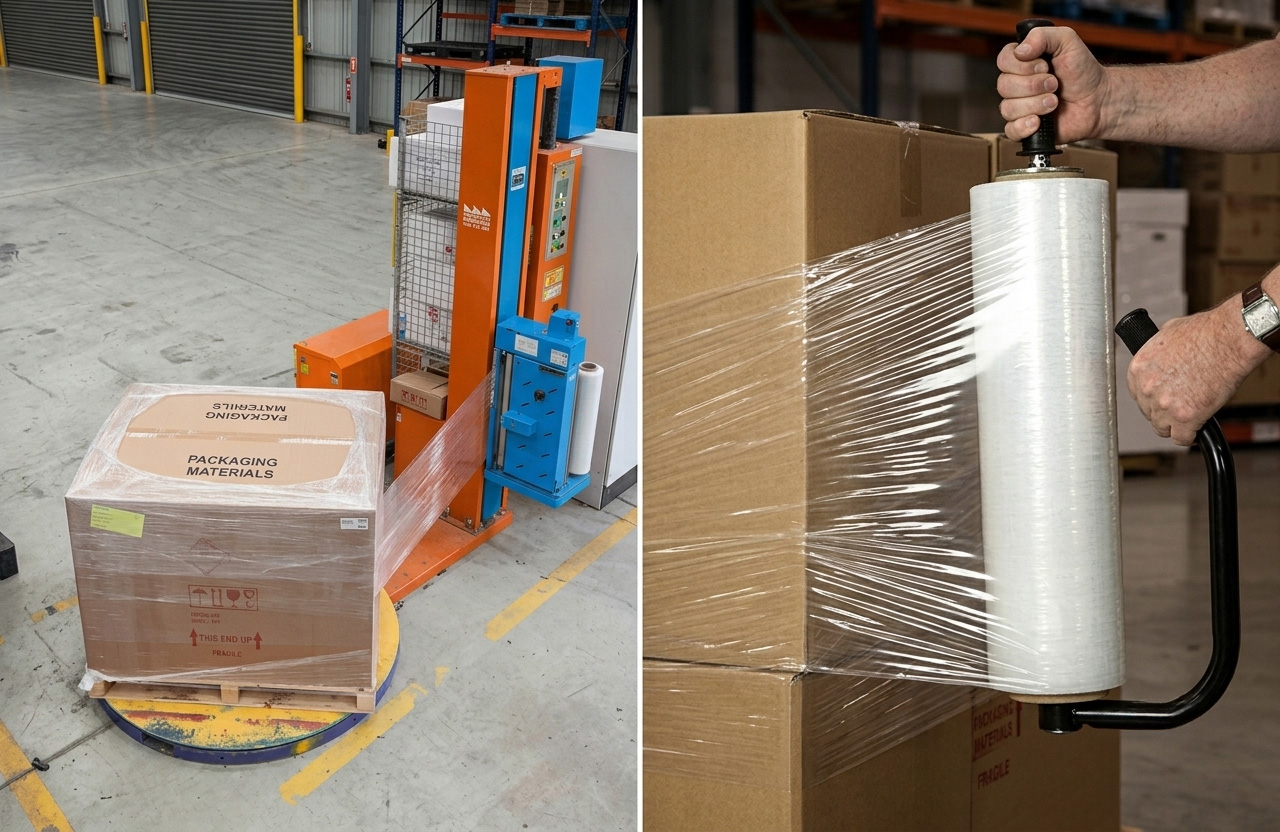
Businesses should regularly review wrapping procedures to identify opportunities for reducing excess film usage. Proper machine settings, employee training, and consistent application techniques all contribute to lower material consumption.
Optimizing packaging processes helps businesses achieve measurable savings over time.
Supporting Better Inventory Management
Packaging materials represent valuable inventory.
Using excessive amounts of stretch film increases purchasing frequency and requires additional warehouse storage space. Efficient packaging practices help businesses maintain healthier inventory levels while reducing carrying costs.
Working with experienced suppliers of industrial packaging products also makes inventory planning more predictable and efficient.
Balanced inventory supports smoother day-to-day operations.
Improving Load Stability
A secure pallet is easier to store, transport, and handle.
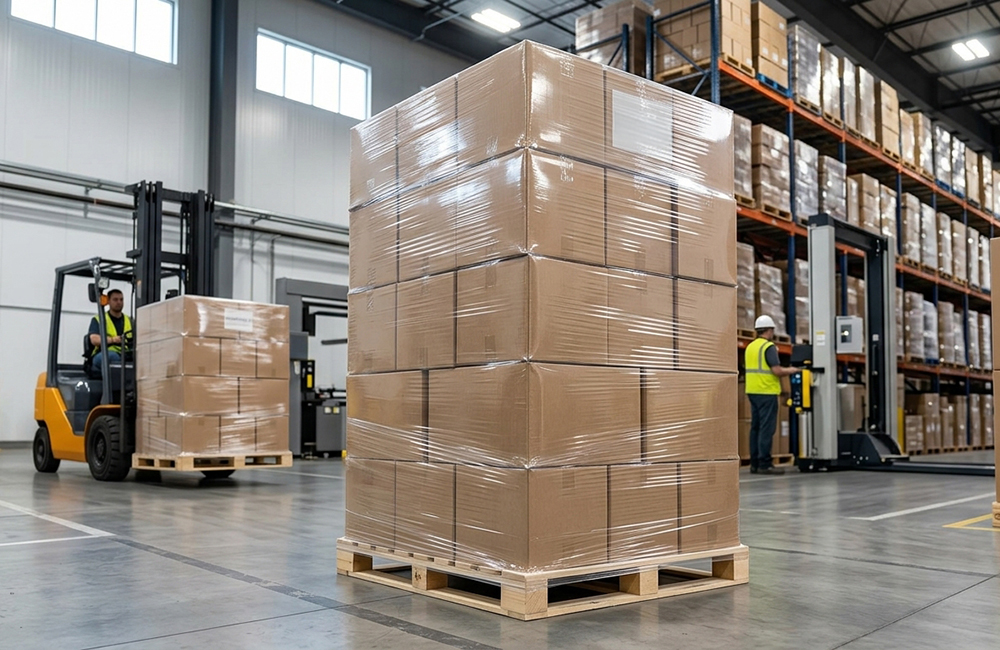
Stretch film distributes holding force across the load, helping products remain stable throughout the supply chain. Stable loads reduce forklift incidents, simplify stacking, and improve warehouse safety.
Better load stability also minimizes costly disruptions during transportation and storage.
Reliable packaging contributes to a more efficient logistics operation.
Training Employees Makes a Difference
Even the highest-quality stretch film cannot deliver maximum value without proper application.
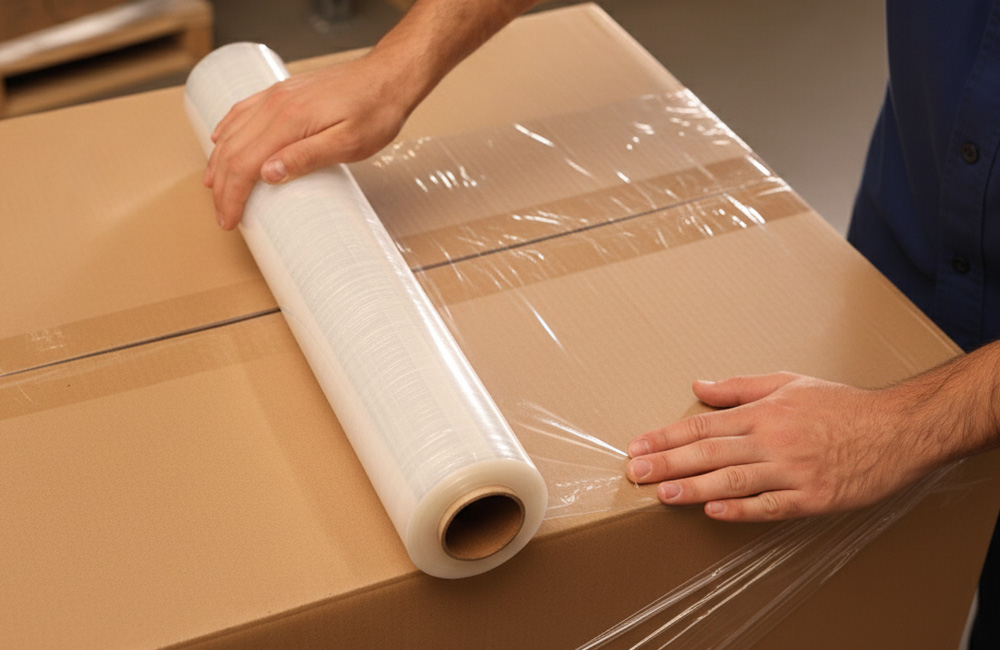
Employees should understand correct wrapping techniques, film tension, and load stabilization methods. Regular training helps maintain consistent packaging quality while reducing unnecessary material consumption.
Well-trained teams achieve better results using fewer resources.
Reviewing Packaging Performance Regularly
Packaging requirements change as businesses grow.
New products, different shipping destinations, and evolving customer expectations may require adjustments to packaging strategies. Regular performance reviews help identify opportunities to improve efficiency and reduce operating costs.
Businesses that continuously evaluate their packaging processes remain more competitive over the long term.
Building a Smarter Packaging Strategy
Stretch film is more than a protective material. It is an important contributor to cost control, warehouse productivity, and supply chain performance. Businesses that invest in the right materials, optimize application methods, and review packaging performance regularly can achieve meaningful savings while improving product protection.
Whether your business is looking for dependable custom packaging solutions, high-performance stretch film solutions, or reliable industrial packaging products, Galaxy Inc. provides packaging expertise designed to improve efficiency, reduce packaging costs, and support long-term operational success.